

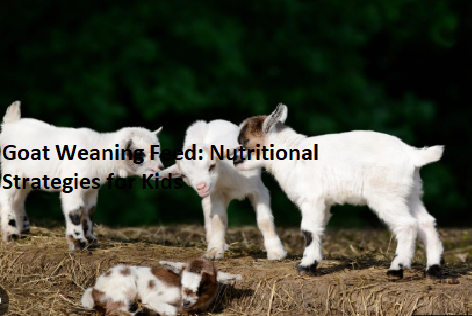
Providing the right goat weaning feed is essential for ensuring that kids transition smoothly from a milk-based diet to solid forage without suffering from stunted growth. This period represents a high-stress window in a young goat’s life, where the rumen must adapt quickly to process complex carbohydrates and fiber. By focusing on high-quality protein sources and palatable textures, producers can minimize the weight loss that often occurs during the separation process.
Understanding the specific nutritional requirements during this phase helps farmers maintain herd health and optimize long-term production goals. This article explores the precise methods for managing the transition through specialized feeding programs.
The primary nutritional requirement for a weaned kid is a diet containing 16% to 18% crude protein, which supports rapid muscle and skeletal development during the post-weaning stress period. Because the rumen is still developing, the feed must be highly digestible to prevent bloat and acidosis, which are common risks when young animals overconsume grain. Producers should prioritize creep feed or a balanced grower ration that introduces these nutrients well before the actual separation date.
By providing access to high-quality alfalfa hay alongside a balanced concentrate, you encourage the rumen microbes to proliferate effectively. This dual approach ensures the kid remains gaining weight while learning to rely on solid food rather than maternal milk.
Nutritional Milestones in Development
A kid’s rumen is not fully functional at birth, and it relies heavily on the esophageal groove to bypass the rumen and deliver milk directly to the abomasum. As the animal begins to nibble on hay and grain, the papillae in the rumen wall start to grow, increasing the surface area for nutrient absorption. This physiological change is triggered by the ingestion of fermentable carbohydrates found in high-quality starter feeds.
If you wait until the day of weaning to introduce these solids, the animal will likely experience a significant growth check. Consequently, early exposure to dry feed is the most effective way to prepare the digestive system for life without milk.
Selecting the Right Ingredients
When selecting a commercial or custom-mixed goat weaning feed, look for high-quality proteins such as soybean meal or roasted soybeans. Avoid urea or other non-protein nitrogen sources, as they are poorly utilized by young, developing goats and can be toxic if managed improperly. The physical form of the feed also matters significantly, as kids often prefer small pellets or texturized sweet feed over dusty, fine-ground meals.
A texture that stays consistent helps prevent sorting, ensuring the animal consumes a balanced ratio of vitamins and minerals in every bite. Always check the label for added coccidiostats, which are often included to prevent the common parasitic infections that flare up during high-stress periods.
The Role of Forage Quality
Forage is the backbone of any ruminant diet, and for a recently weaned kid, it must be exceptionally palatable and clean. High-quality alfalfa or a leafy, fine-stemmed grass hay provides the necessary long-fiber to stimulate rumination and keep the digestive tract moving. Avoid coarse, stemmy, or moldy hay, as kids are picky eaters and will simply waste the poor-quality material.
You should aim to provide a forage source that is high in calcium, which is vital for the rapid bone growth associated with this stage of life. If you are uncertain about the nutrient density of your hay, consider having it tested by an official agricultural extension laboratory to ensure it meets the needs of your herd.
Managing Feed Transition Timelines
The process of weaning should be gradual rather than abrupt to allow the gut microbiome to stabilize. Many successful breeders employ a “creep feeding” strategy where kids have access to a protected area with specialized feed while still nursing. This allows them to supplement their milk intake with energy-dense rations, reducing their reliance on the dam over several weeks.
By the time total separation occurs, the kids are already consuming a sufficient amount of solid food to maintain their metabolic requirements. This method significantly reduces the “weaning slump” where animals lose body condition due to the stress of maternal separation.
Common Nutritional Challenges
One of the most frequent issues during this period is the development of enterotoxemia, often called overeating disease. This occurs when goats consume too much grain, leading to an overgrowth of Clostridium perfringens bacteria in the gut. To mitigate this risk, always ensure that the kids have been vaccinated against clostridial diseases at least two to four weeks before weaning.
Furthermore, never provide unlimited access to grain-heavy rations immediately upon weaning; instead, ration the feed carefully to keep the rumen pH stable. Gradual increases in concentrate intake allow the rumen flora to adapt to the new diet without triggering a fatal bacterial bloom.
Monitoring Growth Metrics
Tracking the progress of your kids during the weaning phase is the only way to determine if your feeding strategy is effective. You should weigh the animals regularly, ideally at the start of the weaning process and again two weeks later. A healthy weaned kid should continue to gain weight, or at the very least, maintain its weight during the transition week.
If you notice a sharp decline in body condition, it is usually a sign that the weaning feed is either unpalatable or not meeting the protein requirements of the animal. Adjust your rations by increasing the proportion of high-quality alfalfa or adding a more energy-dense pellet to the mix.
Data Comparison of Feeding Regimes
The following table outlines the approximate daily intake requirements for a growing kid during the weaning phase, based on body weight and growth targets. These figures are estimates and should be adjusted based on the specific breed and the energy density of your chosen feed.
| Kid Weight (lbs) | Daily Grain Intake (lbs) | Forage Requirement |
|---|---|---|
| 20–30 lbs | 0.25 – 0.5 lbs | Free-choice alfalfa |
| 30–45 lbs | 0.5 – 0.75 lbs | Free-choice hay |
| 45–60 lbs | 0.75 – 1.0 lbs | Hay or pasture |
Essential Mineral Supplementation
Beyond protein and energy, goats require a specific mineral profile to maintain immune function during the stress of weaning. Copper, selenium, and zinc are particularly important for developing kids, but they must be provided in a balanced, goat-specific mineral mix. Never use sheep minerals for goats, as the copper levels are often too low for the goat’s higher requirements.
Conversely, ensure your mineral supplement is not too high in salt, which can cause the kids to over-consume the supplement and ignore their primary feed. A loose mineral supplement, rather than a hard block, is generally preferred because it allows the kids to consume adequate amounts without wearing down their teeth.
Troubleshooting Feed Refusal
Sometimes, a recently weaned kid will refuse to touch its new feed, which can lead to rapid dehydration and health decline. This behavior is often caused by a sudden change in texture or flavor from the familiar milk diet. To encourage consumption, try top-dressing the feed with a small amount of molasses or mixing in a handful of familiar, high-quality hay.
You can also place an older, experienced goat in the pen with the weaned kids; the younger animals will often mimic the feeding behavior of the mentor. If refusal persists for more than 24 hours, you must intervene with supportive care, such as electrolyte therapy or temporary re-introduction to the dam.
Establishing a Feeding Schedule
Consistency is a key factor in goat management, especially during the volatile weaning phase. Feeding at the same time every day prevents the goats from becoming anxious and reduces the likelihood of gorging when the feed finally arrives. If you are using a self-feeder, ensure that the feed remains dry and free of mold, as goats are extremely sensitive to mycotoxins.
Clean out the troughs daily to remove any spoiled or trampled feed that could harbor bacteria. By maintaining a strict, clean feeding routine, you create a sense of stability that helps the animals focus on eating rather than searching for their mothers.
Internal Parasite Management
Weaning is a period when the immune system is taxed, making the animals highly susceptible to internal parasites like Haemonchus contortus. A heavy worm burden can make even the best goat weaning feed ineffective, as the parasites will strip the animal of the nutrients it needs to grow. Monitor your kids using the FAMACHA system, which involves checking the color of the eyelid mucous membranes to detect anemia.
If you notice pale lids, consult your veterinarian about an appropriate deworming protocol that fits your local resistance patterns. Treating for parasites before the weaning process begins can ensure that your feed investments are actually benefiting the kids rather than the worms.
Frequently Asked Questions
What is the ideal age for weaning goats?
Most producers wean kids between 8 and 12 weeks of age, depending on their weight and health status. Weaning before 8 weeks often results in more significant growth checks, while waiting beyond 12 weeks may be unnecessary if the kids are already consuming solid food well.
How do I know if the weaning feed is working?
You should monitor the animals for consistent weight gain and healthy, well-formed manure. If you see signs of diarrhea or scouring, it often indicates that the transition to the new feed was too fast or that the ration is too high in starch for their current rumen development.
Can I use a multi-species feed for my goats?
It is generally discouraged to use feeds formulated for cattle or sheep, as goats have different requirements for copper and protein. Always ensure the tag specifies that the feed is balanced for goats to avoid deficiencies or toxicity issues.
Should I provide water inside the pen?
Clean, fresh water is the most important component of any weaning diet and must be available at all times. Goats will not eat their dry feed if they do not have adequate access to water, which can lead to impaction and severe digestive distress.
What if my goats are losing weight after weaning?
Weight loss is a sign of high stress or inadequate nutrition; you should immediately assess the quality of your hay and the protein percentage of your supplement. If the animals are also lethargic, check for signs of parasite overload or respiratory illness, which often coincide with the stress of separation.
Conclusion
Transitioning kids to a new nutritional program is a pivotal step in raising a healthy, productive herd. By focusing on high-protein, easily digestible goat weaning feed and maintaining a consistent management routine, you can significantly reduce the stress associated with this change. Remember that the goal is not just to get the kids off milk, but to set the stage for their future performance as adults.
Monitor their weight, manage their parasite load, and ensure that fresh water is always within reach. Taking these proactive steps will ensure your kids thrive long after they have moved on from their dams. If you have specific questions about your local forage quality or ration balancing, consult your local agricultural extension service to tailor a plan that works for your farm.
