

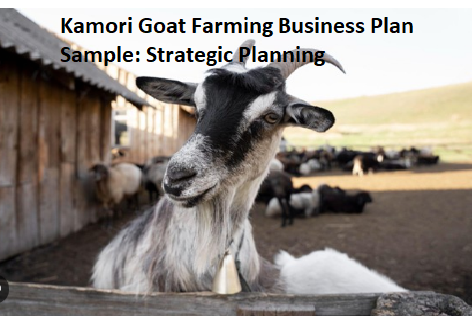
Developing a professional kamori goat farming business plan sample requires balancing high-value asset management with strict operational discipline. The Kamori breed, native to the Sindh province of Pakistan, is prized for its unique physical traits and significant market value in the livestock sector. Because these animals command premium prices, your financial roadmap must account for specialized care, high-quality nutrition, and targeted marketing strategies.
By structuring your investment around precise milestones, you can mitigate the inherent risks of livestock production. This article provides the essential framework for building a sustainable enterprise based on the specific requirements of this prestigious goat breed.
A standard kamori goat farming business plan sample should project a high initial capital expenditure due to the cost of purchasing purebred foundation stock. For a startup flock of 20 high-quality does and two breeding bucks, you should anticipate an initial investment between $15,000 and $25,000. This figure covers the procurement of certified livestock, basic housing infrastructure, and the first six months of feed supplies.
Operational costs will stabilize after the first year, typically consuming 40% to 50% of gross revenue. Profit margins for Kamori breeders often exceed those of commercial meat breeds because individual animals are sold as ornamental, show-quality, or breeding stock rather than by weight.
Infrastructure and Housing Requirements
Kamori goats are sensitive to environmental stressors, necessitating a housing structure that provides excellent ventilation while protecting them from extreme heat and humidity. A simple shed is insufficient; you need a facility that allows for proper waste management and easy cleaning to prevent respiratory diseases.
Allocate at least 15 square feet of floor space per adult goat to ensure they remain stress-free. Overcrowding in this breed often leads to reduced immunity and lower growth rates in kids.
The flooring should be elevated, preferably using wooden slats or concrete with a slight slope for drainage. This design prevents the accumulation of urine and manure, which reduces the risk of hoof rot and parasite infestations.
Ensure your facility includes a secure perimeter fence at least 5 feet high to keep predators at bay and prevent the goats from wandering. Invest in a dedicated quarantine area where new arrivals can be monitored for at least 21 days before being introduced to the main herd.
Nutritional Management and Feeding Costs
Feeding represents the largest ongoing expense in any professional goat farming operation. Kamori goats require a diet rich in protein and minerals to maintain their signature stature and coat health.
A balanced ration should combine high-quality green fodder like alfalfa or clover with a carefully formulated concentrate mix. You must provide access to clean, fresh water at all times, as dehydration is a common cause of poor performance in dairy and ornamental breeds.
Consider the following breakdown of dietary components for your operational budget:
-
- Green Fodder: Provides essential vitamins and bulk for digestion.
-
- Concentrate Feed: Includes grains like maize, wheat bran, and soybean meal for energy.
-
- Mineral Blocks: Crucial for skeletal development and preventing common deficiencies.
-
- Supplements: Vitamin injections or additives recommended by a veterinarian.
Healthcare and Disease Prevention
Veterinary expenses are non-negotiable in a business plan involving high-value livestock. You must establish a relationship with a local veterinarian who specializes in small ruminants to handle routine deworming and vaccination schedules.
Common threats include Enterotoxemia, Peste des Petits Ruminants (PPR), and various tick-borne diseases. A strict vaccination calendar is your best insurance against catastrophic herd loss.
Keep detailed health records for every individual animal, including their pedigree, birth date, and vaccination dates. Digital tracking software or a simple, well-maintained logbook is essential for managing breeding cycles and medical interventions.
You can find comprehensive animal welfare guidelines through the Food and Agriculture Organization of the United Nations for best practices in livestock health. Investing in preventative medicine will save you significant capital in the long run compared to treating acute infections.
Breeding Strategy for Genetic Quality
The value of your herd depends entirely on the genetic purity and physical characteristics of your goats. Kamori goats are known for their distinctively long, pendulous ears and unique body markings, which collectors and breeders prioritize.
You should avoid inbreeding by rotating your breeding bucks every two years or by sourcing unrelated stock from reputable breeders. A slow and steady approach to herd expansion will preserve the quality of your genetic line.
Keep the buck-to-doe ratio at approximately 1:20 to ensure high conception rates without overwhelming the male. Monitor the gestation period closely, which is typically 145 to 155 days, and prepare a clean, quiet area for kidding.
Early intervention during difficult births can save both the mother and the kid, protecting your primary capital assets. Selective breeding is the primary engine of long-term profitability in this niche market.
Financial Projections and Market Analysis
When drafting the financial section of your business plan, you must differentiate between income from meat sales and income from breeding stock. Meat production is a secondary objective; your primary focus should be selling kids to other farmers or hobbyists.
A high-quality kid can sell for a significant premium compared to standard market rates for goat meat. Your projections should reflect this by calculating revenue based on expected sales of breeding-age animals.
The following table provides a sample estimation of annual operational expenditures for a small-scale farm:
| Expense Category | Estimated Annual Cost (USD) |
|---|---|
| Concentrate Feed | $4,500 |
| Routine Veterinary Care | $1,200 |
| Labor (1 Part-time worker) | $3,600 |
| Utilities and Maintenance | $1,000 |
| Marketing and Admin | $700 |
Marketing and Sales Tactics
Marketing high-value goats requires a presence where breeders and hobbyists gather, both online and in person. Social media platforms are powerful tools for showcasing the physical beauty of your stock, which is the main selling point for the Kamori breed.
High-quality photography and video content can significantly increase your reach and justify higher price points. You should also participate in local livestock shows and agricultural exhibitions to build your professional reputation.
Building a brand as a reliable source of healthy, purebred stock will lead to word-of-mouth referrals. Once you establish a track record of selling quality animals, your marketing costs will naturally decrease as repeat customers return.
Always maintain a professional website or a dedicated business page that displays your contact information, herd health status, and available stock. Transparency regarding your breeding practices will build trust with potential buyers.
Managing Operational Risks
Every livestock business faces risks ranging from market volatility to disease outbreaks. You must include a risk management section in your plan that addresses how you would handle a sudden loss of stock or a drop in market demand.
Diversifying your income streams, such as selling manure as organic fertilizer or offering boarding services, can provide a safety net. Keep a cash reserve equivalent to at least six months of operating expenses to handle emergencies.
Environmental threats are also a reality, including extreme weather events that could damage your infrastructure. Ensure your facility is built to exceed local safety codes for wind and water resistance.
If you are operating in an area prone to theft, invest in security cameras and reliable fencing. Proactive management reduces the likelihood of these events, but having a response plan ensures your business can recover if they do occur.
Scaling and Long-term Growth
Once your initial herd is stable and profitable, you can look toward scaling your operations. Growth should happen in phases, starting with the retention of your best female offspring to increase the size of your breeding core.
Avoid the temptation to expand too quickly, as rapid growth often leads to a decline in management standards. Focus on maintaining the health and genetic standards that made your initial operation successful.
Consider vertical integration, such as processing your own feed or creating a value-added product line related to goat milk or leather. These steps require additional investment but can stabilize your income during off-seasons or market downturns.
Always revisit your business plan annually to adjust for inflation, changes in market preferences, and your own performance metrics. Successful farmers treat their operation as a evolving business rather than a static project.
Conclusion
Building a successful venture requires adherence to the principles outlined in a solid kamori goat farming business plan sample. By focusing on genetic purity, strict health protocols, and targeted marketing, you position your farm to capture the premium value this breed commands. Remember that livestock farming is labor-intensive and requires constant attention to detail to remain profitable over the long term.
Start with a manageable flock size, ensure your infrastructure is built to last, and prioritize the welfare of your animals as your primary asset. As you gain experience, you will be able to refine your strategies and expand your reach. If you are ready to proceed, begin by securing your foundation stock from a reputable breeder and finalizing your facility design today.
