

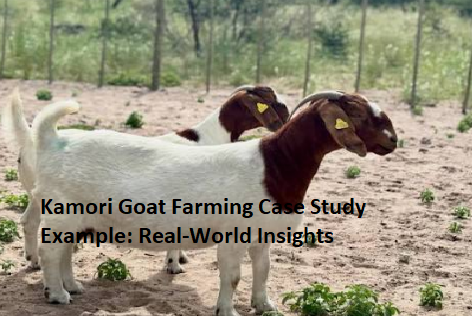
Examining a practical kamori goat farming case study example reveals why this specific breed remains a top choice for serious livestock producers. These goats are prized for their unique physical stature, rapid growth rates, and ability to command premium prices in specialized markets. By analyzing the operational data of a mid-sized facility, you will gain a clearer understanding of the actual costs, revenue streams, and management hurdles involved in this niche agricultural sector.
Understanding these dynamics is essential for anyone looking to scale a herd while maintaining high genetic standards.
Financial Breakdown of a Typical Herd
When you look at a successful kamori goat farming case study example, the primary revenue driver is the sale of pedigree animals. Unlike commercial meat-goat operations that focus on weight-per-kilo pricing, Kamori breeders often operate in a luxury or hobbyist market.
A single high-quality buck can sell for anywhere between $800 and $2,500, depending on its lineage and physical markings. These figures are significantly higher than standard caprine breeds, justifying the extra attention to detail required in their upbringing.
Operational expenses in this segment are also higher than average due to the specialized diet and climate control required for these animals. You must account for high-quality alfalfa, concentrated protein pellets, and consistent veterinary oversight to prevent common respiratory issues.
On average, a breeder might spend $150 to $200 per year on feed and medical maintenance per adult goat. This margin provides a comfortable cushion, provided the mortality rate is kept near zero through active management.
| Expense Category | Annual Cost (per head) | Revenue Potential |
| :— | :— | :— |
| Feed and Nutrition | $120 | Breeding Stock Sale |
| Veterinary Care | $40 | Milk Production |
| Facility Maintenance | $30 | Manure/Compost |
| Marketing and Admin | $25 | Show Prize Winnings |
Market Dynamics and Pricing
The market for Kamori goats is largely driven by aesthetics and breed purity. Buyers are typically looking for the characteristic long, drooping ears and the distinct, large frame that defines the breed.
Because these animals are frequently purchased for beauty pageants and status-oriented breeding programs, the price is not strictly tied to meat yield. Your marketing strategy should focus on social media presence and participation in regional agricultural exhibitions.
Building a reputation as a reliable breeder takes time, often requiring two or three generations of selective breeding. Once your herd is recognized for its physical consistency, you can command a price premium. Many successful operations in this sector avoid wholesale markets entirely, opting instead for direct-to-consumer sales via dedicated networks.
This direct model eliminates middlemen fees, which can account for up to 15% of your potential gross profit.
Managing Genetic Purity
Maintaining the integrity of the breed is the most difficult aspect of any kamori goat farming case study example. Beginners often make the mistake of cross-breeding to increase hardiness, which dilutes the specific traits that make Kamori goats valuable.
You need a strict record-keeping system to track the lineage of every kid born on the farm. A simple pedigree folder is not enough; most professional breeders now use digital databases to track birth dates, sire history, and vaccination records.
Inbreeding depression is a constant threat when you are working with a limited gene pool. You must be willing to trade or purchase new bucks every two years to ensure enough genetic diversity within your closed herd. If you notice a decline in ear length or a change in temperament, it is usually a sign that your breeding program needs an infusion of outside blood.
Always prioritize buying from breeders who provide documentation verified by an official agricultural body, such as the Food and Agriculture Organization of the United Nations.
Infrastructure and Housing Requirements
Kamori goats are sensitive to extreme temperature fluctuations compared to hardier local breeds. Your housing must be well-ventilated but free from cold drafts, especially during the kidding season.
A raised floor structure is recommended to keep the animals off the damp ground, which helps prevent hoof rot and parasite infestations. Even in warmer climates, keeping the floor dry is the single most important factor in maintaining a healthy herd.
Space requirements are also distinct for this breed due to their larger frame. You should allocate at least 15 to 20 square feet per animal in a covered shed to prevent overcrowding. Overcrowding in a Kamori herd leads to aggressive behavior and increased stress, which directly impacts the glossy coat quality that buyers look for.
Ensure your water troughs are elevated and cleaned daily to minimize the risk of water-borne pathogens affecting your stock.
Nutritional Strategies for Growth
Feeding a Kamori goat is not just about keeping it full; it is about maximizing its physical development. High-quality forage is the base, but you must supplement with high-protein grains during the growth phase.
Many farmers use a mix of alfalfa hay and a grain ration consisting of corn, soy, and oats. This combination ensures that the kids develop the bone density required to support their large frames later in life.
You should implement a rotational grazing system if you have sufficient land, but be wary of parasite buildup. Kamori goats are particularly susceptible to internal parasites, so regular fecal testing is a necessity. Keep a close eye on the body condition score of your does, especially during the final month of gestation.
A malnourished doe will produce smaller kids, which significantly lowers their market value as future breeding stock.
Handling and Temperament
These animals are generally docile, but they can become skittish if they are not handled daily. A calm, consistent routine is vital for keeping them manageable for health checks and grooming.
Many farmers spend at least 30 minutes each day simply interacting with their goats to ensure they are comfortable with human touch. This habit is not just for companionship; it makes the process of loading them for transport or shows much less stressful for both the animal and the owner.
Grooming is another essential aspect that separates a professional operation from a hobbyist one. Regular brushing helps distribute natural oils and keeps the coat shiny, which is a significant factor during sales. You should also keep their hooves trimmed every six to eight weeks to prevent structural issues.
If a goat develops a limp or an uneven gait, its value drops instantly, regardless of its pedigree.
Common Risks and Mitigation
Disease outbreaks are the biggest threat to any livestock business. You should maintain a strict quarantine area for any new animal entering the farm, keeping them isolated for at least 21 days.
During this time, perform a full medical screening, including testing for common caprine diseases like CAE and CL. Vaccinations for enterotoxemia and tetanus are non-negotiable and should be part of your standard annual calendar.
Predator control is another area where many farms fail. Even if your farm is in a rural area, stray dogs and coyotes can cause massive damage in a single night.
A secure fence with buried bottom wire is the minimum standard for protecting your investment. If possible, consider using a livestock guardian dog, which has proven effective in many case studies for reducing losses to zero.
* Establish a consistent vaccination schedule.
* Keep a detailed digital health log for each animal.
* Rotate pastures every two weeks to manage parasite loads.
* Maintain a 21-day quarantine period for all new arrivals.
* Ensure all perimeter fencing is at least five feet high.
Scaling the Operation Successfully
Growing your herd requires more than just buying more goats. You need to focus on capacity planning for your facility and your feed storage.
Adding ten head of cattle might be simple, but adding ten Kamori goats requires a proportional increase in your labor requirements. If you find yourself spending more time cleaning than breeding, it is time to invest in automated feeding or watering systems.
Financial sustainability depends on your ability to pivot. If the market for high-end breeding stock dips, you should have a secondary plan for milk or meat production. While Kamori goats are primarily known for their looks, they are capable of decent milk production if managed correctly.
Diversifying your income streams will ensure that your farm remains profitable even when market trends shift toward other breeds or different agricultural models.
Final Thoughts on Herd Management
The success of a kamori goat farming case study example ultimately hinges on the breeder’s commitment to quality over quantity. By maintaining rigorous genetic records, investing in high-quality nutrition, and ensuring a sanitary environment, you create a product that consistently commands a premium price. The initial capital requirements are higher than other breeds, but the potential for long-term profit is equally elevated.
If you are planning to enter this field, start small with a few high-quality does and a proven buck. Observe their health, track their growth, and learn the specific nuances of the breed before expanding your herd.
By focusing on these fundamentals, you will build a resilient and profitable operation. We encourage you to reach out to local agricultural extension offices or established breeders in your region to gather more specific data points for your particular climate and market.
