

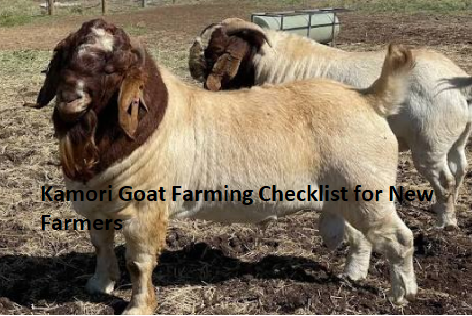
Starting a successful livestock venture requires careful planning, and a kamori goat farming checklist for new farmers serves as the foundation for your operation. These goats are prized for their unique physical traits, such as their long, drooping ears and high milk yield, making them a popular choice in regions like Pakistan and India.
By following a structured approach to housing, nutrition, and health management, you can mitigate common risks associated with raising this specific breed. This article provides the essential steps to help you establish a sustainable and profitable farm from the ground up.
When evaluating a kamori goat farming checklist for new farmers, the most critical factor is initial herd size. A beginner should start with 3 to 5 female goats and one male buck to gain experience without overwhelming resources.
This manageable number allows you to monitor individual health, observe breeding patterns, and learn the specific temperaments of your animals. Scaling up too quickly often leads to disease outbreaks and management failures that can jeopardize your entire investment.
Infrastructure and Housing Requirements
Your goats need a shelter that protects them from extreme weather conditions, such as heavy rain, wind, and intense heat. Kamori goats are sensitive to environmental stress, so your barn must provide adequate ventilation while remaining draft-free during colder months. Elevated flooring made of wooden slats is often preferred, as it allows waste to fall through, keeping the sleeping area dry and sanitary.
Space requirements are non-negotiable for the long-term health of your herd. You should allocate at least 12 to 15 square feet of floor space per adult goat within the shed.
If you plan to keep them in an enclosure during the day, add an additional 25 to 30 square feet of outdoor paddock space per animal. Overcrowding frequently leads to stress, which suppresses the immune system and makes your goats more susceptible to respiratory infections.
Install secure fencing to protect your investment from predators like stray dogs or wild animals. A fence height of at least 4 to 5 feet is necessary to prevent these agile animals from jumping out. Use high-quality wire mesh rather than barbed wire, which can easily tear the delicate skin of a high-value breed like the Kamori.
Nutritional Management and Feeding Schedules
Nutrition is the single largest operating expense in any goat farming enterprise. A balanced diet consists of high-quality roughage, such as green fodder and dry hay, supplemented by a concentrated grain mixture. Kamori goats require a protein content of approximately 14% to 16% in their daily rations to support milk production and healthy growth.
You must provide constant access to clean, fresh water at all times. An adult goat consumes between 2 to 4 gallons of water daily, depending on the ambient temperature and its stage of lactation. Dehydration is a leading cause of reduced milk yield and metabolic issues, so ensure your water troughs are scrubbed clean at least twice a week.
| Feed Type | Daily Requirement (Per Adult) | Purpose |
| :— | :— | :— |
| Green Fodder | 3–5 kg | Digestion and energy |
| Dry Hay/Straw | 1–2 kg | Fiber intake |
| Grain Concentrate | 250–500 grams | Protein and minerals |
| Mineral Block | Ad libitum | Micronutrient balance |
Selecting Healthy Breeding Stock
When purchasing your first animals, physical inspection is more reliable than seller promises. Look for clear, bright eyes and a shiny coat, as dull fur or crusty discharge around the nose often indicates underlying parasites. A healthy Kamori should have a strong, straight back and well-developed legs that are free of swelling or deformities.
Check the udder and teats of female goats if you are focusing on dairy production. The udder should be soft and pliable after milking, rather than hard or lumpy, which could indicate mastitis. Always verify the vaccination history of the goats before bringing them onto your farm, and ideally, quarantine new arrivals for at least 21 days to prevent introducing infections to your existing herd.
Invest in a reputable source rather than buying from a local livestock market where animals are mixed with unknown herds. Establishing a relationship with a local veterinarian is a key part of any kamori goat farming checklist for new farmers. They can help you perform physical exams on potential purchases and advise you on the specific local disease threats in your area.
Preventative Health and Vaccination
Disease prevention is far cheaper than medical treatment, and a strict vaccination schedule is mandatory. Common threats to goat herds include Peste des Petits Ruminants (PPR), enterotoxemia, and foot-and-mouth disease. Consult with your local animal health department to create a calendar for these essential injections.
Internal and external parasites, such as worms and mites, can decimate a herd’s productivity. Establish a routine deworming program, typically administered every 3 to 4 months, depending on your local climate and pasture quality. Rotating your grazing area helps break the life cycle of many common parasites, as it prevents the buildup of larvae in the soil.
Keep a detailed health log for every animal on your farm. This record should include dates of vaccinations, deworming events, and any signs of illness you have observed. You can find more information on standardized practices through the Food and Agriculture Organization of the United Nations regarding livestock health management.
The Financial Side of Farming
Managing your cash flow is critical during the first two years of operation. You will face significant upfront costs for infrastructure, breeding stock, and initial feed supplies. Many new farmers underestimate the “hidden” costs, such as electricity for lighting, water pumps, and emergency veterinary visits.
Create a spreadsheet to track all expenditures against your projected revenue. If you are selling milk, consider the local market price and the cost of transport if you are not selling directly from the farm gate. If your primary model is selling kids for meat or breeding purposes, factor in the time and feed costs required to bring an animal to market weight, which is typically around 8 to 10 months.
Avoid taking out large loans until you have proven your model works on a small scale. Start with a lean budget, focusing on essential equipment rather than expensive, automated systems. As your herd grows and you gain more experience, you can reinvest your profits into better equipment and higher-quality stock.
Understanding Breeding Cycles
Kamori goats are seasonal breeders, though they can be managed to produce offspring throughout the year with proper light and nutrition control. A female goat typically has a gestation period of approximately 150 days. Understanding this cycle is vital for planning your income, as it dictates when you will have milk or new kids available for sale.
Monitor your does closely during the breeding season. Watch for signs of estrus, such as tail wagging, vocalizing, and increased restlessness. Keep the buck separate from the does outside of the breeding season to avoid unplanned pregnancies and to allow the does to recover their body condition.
Maintain a record of breeding dates for every doe. This allows you to predict the expected kidding date with high accuracy, ensuring you are prepared to assist if any complications arise during birth. Having a clean, quiet kidding pen ready at least two weeks before the expected date is a standard safety measure for any experienced breeder.
Record Keeping for Profitability
Successful farmers treat their operation as a business, not a hobby. You should maintain individual records for every goat, documenting its age, weight, breeding history, and health status. This data helps you identify your most productive animals—the ones that consistently produce healthy kids or high volumes of milk.
Cull your underperforming animals based on these records. If a doe consistently produces small, weak kids or has a low milk yield despite good nutrition, she is costing you more than she earns. Keeping an unproductive animal is a drain on your limited resources and reduces the overall profitability of your herd.
Use your records to analyze trends over time. Are your feed costs increasing while your output stays flat?
Are there certain months where you consistently lose weight in your herd? Identifying these patterns early allows you to make data-driven decisions that improve the efficiency of your operation.
Marketing Your Goat Products
Whether you are selling raw milk, cheese, or live animals, you need a clear marketing strategy. Build a local network by informing nearby households, restaurants, or local markets about your product offerings. High-quality Kamori goats are often sought after for their appearance, so social media can be a powerful tool for showcasing your best animals to potential buyers.
Consider the value-added potential of your products. Raw milk is a commodity, but processing it into yogurt or artisan cheese can significantly increase your profit margins. If you are selling live animals for breeding, ensure you have documentation proving their pedigree and health status, as this justifies a premium price.
Networking with other farmers is an often-overlooked strategy for growth. Joining local farming cooperatives or online groups allows you to share resources, bulk-buy feed to lower costs, and stay updated on market prices. Learning from the mistakes and successes of others in your region is invaluable for any beginner.
Conclusion
Starting your journey into this industry requires dedication, careful observation, and a commitment to animal welfare. By following a structured kamori goat farming checklist for new farmers, you can avoid the common pitfalls that often discourage beginners in their first year. Focus on starting with a small, manageable herd, prioritizing high-quality nutrition, and keeping meticulous records of every aspect of your business.
As you become more comfortable with the day-to-day demands of your animals, you will be better positioned to scale your operations sustainably. Remember that consistency in your management practices is the most reliable path to long-term success. If you are ready to move forward, begin by securing your housing and sourcing your first few healthy animals from a trusted breeder today.
