

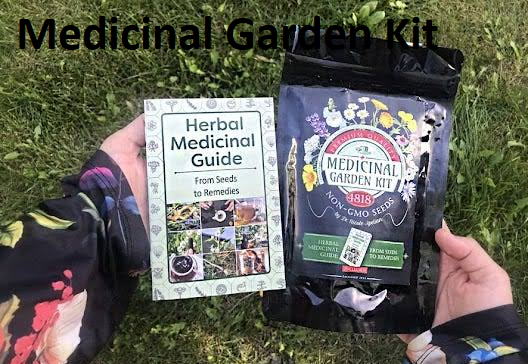
Growing your own herbs has become one of the most popular ways to build a healthier home. Many people want fresh chamomile for tea, calendula for skin care projects, or echinacea for the cold season. A Medicinal Garden Kit promises to put all of these plants in one box. It sounds simple, and for many beginners it is a helpful starting point. However, the best choice depends on what the kit includes, how well it is packed, and whether you have the time and space to care for the plants.
This guide walks you through what a Medicinal Garden Kit usually contains, which seeds you can expect, and how to grow them step by step. You will also find an honest look at the pros and cons, a breakdown of pricing, tips for reading customer feedback, and clear warning signs that help you spot a weak seller. Finally, you will learn important safety rules before you use any herb. Because herbs can affect the body, this article focuses on education and careful use rather than medical promises.
What Is a Medicinal Garden Kit?
A Medicinal Garden Kit is a bundle of seeds, growing supplies, and instructions designed to help you start a herb garden focused on plants traditionally grown for wellness uses. Most kits center on herbs that gardeners have grown for centuries. These plants often have pleasant aromas, attractive flowers, and a long history in home remedies, teas, and natural skin care.
Kits typically target home gardeners who want a small, manageable project. Some are built for a windowsill or balcony, while others suit a raised bed or backyard plot. The best kits make the process approachable. They give you enough seeds to learn with, clear directions, and materials that help new growers succeed.
It is important to understand one key point from the start. A kit cannot replace medical care. Growing herbs is a rewarding hobby, and many people enjoy the flavor and fragrance of their harvest. Still, the plants themselves need proper identification, careful preparation, and respect for safety guidelines.
What Usually Comes Inside the Kit
Contents vary by seller, so always read the product listing closely before you buy. Most kits include a combination of the following items. First, you will usually find seed packets. Next, many kits add a growing medium, such as seed starting mix or compressed soil discs. Some include small pots or biodegradable trays, plant markers, and a simple instruction booklet or printed card.
Other kits go further. They may add a watering tool, a small hand trowel, or a plant care calendar. A few premium options include organic fertilizer or a mini greenhouse cover. In addition, some sellers offer a digital guide with videos. These extras can be useful, but they should never be the main reason to buy. Seeds and clear instructions matter most.
When you compare kits, check whether the seeds are labeled with a variety name, a harvest or packing date, and a germination rate if the seller provides one. Fresh seeds sprout more reliably. Also confirm whether the packaging protects seeds from moisture and heat, because poor storage can reduce germination quickly.
Key Features and Benefits
The biggest benefit of a Medicinal Garden Kit is convenience. Instead of searching for a dozen different seed packets, you receive a curated selection in one order. This saves time and reduces the guesswork that often frustrates beginners. The kit also teaches you how different plants behave, so you learn about spacing, sunlight needs, and watering schedules as you go.
Another advantage is variety. A well-built kit lets you grow several herbs with different needs. For example, you might grow sun-loving plants alongside shade-tolerant ones. This mix gives you hands-on experience with plant diversity. Over time, you can use that knowledge to plan larger gardens.
The kit also supports sustainability. When you grow your own herbs, you reduce trips to the store and cut down on plastic packaging. Many gardeners also enjoy knowing exactly how their plants were grown. Pollinators such as bees and butterflies often visit herb flowers, so your garden can support local wildlife as well.
Finally, the kit can boost your confidence. Many people feel nervous about starting a garden. A clear kit with step-by-step guidance makes the first harvest feel achievable. Small wins build momentum, and that momentum often leads to a bigger garden the next season.
Ingredients and Seed Varieties to Expect
Most Medicinal Garden Kits feature a mix of popular herbs. Each plant has distinct growing needs, so understanding them helps you plan a healthy garden. Below are common varieties you may find in a kit.
Chamomile is a gentle, daisy-like herb with a sweet apple scent. It grows quickly from seed and prefers full sun with well-drained soil. Lavender is a fragrant perennial that loves dry conditions and plenty of light. Lavender seeds can be slow to sprout, so patience is essential. Echinacea, often called purple coneflower, is a sturdy perennial that attracts pollinators. It needs time to establish roots, so expect a longer wait before the first flowers.
Calendula, also called pot marigold, produces bright orange and yellow blooms. It is easy to grow and tolerates a range of soils. Yarrow is a hardy plant with feathery leaves and flat flower clusters. It spreads readily, so give it room. Feverfew produces small white daisy-style flowers and self-seeds easily. California poppy adds cheerful golden color and grows well in dry, sunny spots.
Evening primrose produces yellow flowers that open in the evening. It thrives in sunny areas and poor soil. Marshmallow plant has soft, velvety leaves and grows tall in moist ground. Chicory is a resilient plant with blue flowers and deep roots. It prefers full sun and can handle heat well.
Because several of these plants belong to the daisy family, people with ragweed or daisy allergies should take extra care. Always test a small amount of any homemade preparation and speak with a doctor first if you have allergies or health conditions.
How to Grow Your Medicinal Herb Garden Step by Step
Successful growing starts with planning. Read the seed packets first, because each herb has different timing needs. Some seeds need to be started indoors, while others grow best when sown directly outside after the last frost. Next, gather your supplies and set aside a dedicated workspace.
Choose the Right Spot
Most medicinal herbs need at least six hours of sunlight each day. A south-facing window, balcony, or sunny yard works well. Therefore, observe your space for a full day before planting. Notice where shadows fall and where water collects after rain. Good drainage prevents root rot, which is one of the most common problems for new gardeners.
Prepare the Soil
Healthy soil makes a huge difference. Use a light, well-draining seed starting mix for indoor trays. For outdoor beds, mix compost into the existing soil to improve texture and nutrients. Avoid heavy clay unless you add sand or organic matter. Moreover, keep the soil slightly moist but never soggy during germination.
Sow and Care for Your Seeds
Follow the depth and spacing instructions on each packet. Many tiny seeds need only a light dusting of soil, while larger seeds need to be pressed in more deeply. Label each row or pot right away. Then cover the tray with a clear dome or plastic wrap to hold in humidity until seedlings appear.
Once sprouts emerge, remove the cover and place the tray in bright light. Water gently from below when possible. Thin crowded seedlings so the strongest plants have room to grow. Then, as plants mature, feed them with a diluted organic fertilizer every few weeks. Finally, harvest leaves and flowers regularly, which encourages bushier growth.
Pros and Cons
Every kit has strengths and weaknesses, and a balanced view helps you decide if it suits your needs.
On the positive side, a Medicinal Garden Kit saves time and simplifies planning. It also introduces a variety of herbs, which broadens your knowledge. The instructions help beginners avoid common mistakes, and the cost is often lower than buying several separate seed packets with supplies. Many buyers also enjoy the satisfaction of watching a plant grow from a tiny seed into a useful harvest.
On the other hand, kits can have limitations. Some seeds may be older or have lower germination rates than premium single-variety packets. Certain kits include too many plants for a small space, which can overwhelm new gardeners. Others provide thin instructions that leave important details out. Shipping delays and damaged packaging can also frustrate buyers, especially when seeds arrive late in the planting season.
Finally, a kit is not a shortcut to results. Growing medicinal herbs still requires time, patience, and regular care. Plants may fail due to weather, pests, or improper watering. Therefore, set realistic expectations before you start.
Pricing and Value: What to Expect
Prices for herb kits vary widely based on seed quality, included supplies, and brand reputation. Basic seed-only kits usually cost less than full starter sets that include pots, soil, and tools. Premium kits with extra accessories or greenhouse covers typically cost more.
To judge value, compare the price per seed packet and the total number of plants included. Next, look at whether supplies such as soil and trays are included or sold separately. A slightly higher price can be worth it if the kit includes good instructions and fresh seeds. However, an expensive kit with low-quality seeds offers poor value.
Also consider shipping costs, return policies, and guarantees. A satisfaction guarantee shows that the seller stands behind the product. Check the seller’s contact options too, because quick support helps when a shipment arrives damaged.
Before you buy, compare at least three options. Look for the same herbs listed in each kit, then weigh cost against quality. In addition, check whether the seller offers seed germination support or planting guides after purchase. These small details often separate a helpful kit from a disappointing one.
Customer Feedback and Complaints: How to Read Reviews
Customer reviews can reveal useful patterns, but they require careful reading. Start by sorting reviews from most recent to oldest, because older feedback may describe past versions of a product. Next, look for detailed comments that mention specific plants, growing conditions, and timelines. These reviews tend to be more reliable than short messages like great product or waste of money.
Pay attention to recurring complaints. If many buyers mention late deliveries, poor germination, or missing items, those problems deserve serious thought. On the other hand, a few negative reviews among many positive ones may reflect individual experiences, such as a shipping mishap or a gardening mistake.
Be cautious about overly perfect reviews. Some sellers post fake praise, and reviews that repeat the same wording across many accounts can signal manipulation. Look for reviews that describe both strengths and weaknesses, because balanced feedback often feels more honest.
Also check reviews on independent platforms, gardening forums, and social media groups. Other gardeners often share candid photos and growth updates. These real-world examples give you a clearer picture than marketing copy alone.
Is a Medicinal Garden Kit Legit? Warning Signs to Check
Many shoppers search for scam or legit when they consider a new product. The safest approach is to verify the seller before you pay. Start by confirming that the company lists a physical address, a working phone number or support email, and clear return terms. Legitimate sellers explain their shipping timelines and handle refunds openly.
Watch for red flags. Unrealistic health claims, such as promises to cure illnesses, are a serious warning sign. Pressure tactics like countdown timers, fake stock alerts, or repeated pop-ups can also signal a rushed sales process. In addition, be wary of sites with no contact information or with policies that are hard to find.
Check payment security as well. A secure checkout page and familiar payment options protect your financial information. If the price seems far below similar kits, look more closely at the seed quality and seller reputation. A deal that seems too good to be true often is.
Finally, search for the seller name alongside terms like complaints or refund. This quick step can reveal patterns that the seller may not highlight on its own site.
Safety Tips Before Using Your Herbs
Safety matters more than any harvest. First, identify every plant correctly before you eat, drink, or apply it to your skin. Use a reliable field guide or the seed packet labels, and keep plants separated so you do not confuse them. Mix-ups can cause serious harm.
Second, research each herb before use. Some herbs interact with medications or cause reactions in certain people. For example, feverfew is generally not recommended during pregnancy. Evening primrose products may interact with some medicines. Echinacea can affect people with autoimmune conditions. Always review each herb with a doctor or pharmacist, especially if you take prescription drugs.
Third, start small. Test a tiny amount of any homemade preparation on a patch of skin, and wait at least a day before using more. Stop immediately if you notice itching, swelling, or breathing trouble, and seek medical care for severe reactions.
Fourth, store your harvest properly. Dry herbs in a cool, dark, well-ventilated space. Label every jar with the plant name and date. Discard any herbs that show mold, odd smells, or discoloration.
Finally, remember that these plants are not a substitute for professional medical treatment. Use them as part of a balanced lifestyle, and keep a professional in the loop for any health concern.
Who Should Buy This Kit
A Medicinal Garden Kit fits several types of people. Beginner gardeners benefit most, because the guided structure builds skills step by step. Natural wellness enthusiasts may enjoy growing herbs for teas and homemade care products. Homesteaders and self-sufficiency fans can use the kit as a testing ground before planting larger beds.
Eco-conscious shoppers also gain value from home growing. Less packaging, fewer store trips, and pollinator-friendly flowers all support a greener lifestyle. Meanwhile, parents may enjoy the kit as a family project that teaches children about plants.
However, the kit may not suit everyone. Experienced gardeners who already own supplies and know their plants might prefer buying individual seed packets. People with very limited sunlight or no outdoor space may need to choose herbs carefully. Those with health conditions should consult a professional before using any harvest.
Conclusion
A Medicinal Garden Kit can be a practical and enjoyable way to start growing herbs at home. It brings together useful plants, simplifies planning, and gives beginners a clear path to their first harvest. Still, the value depends on the seed quality, the included supplies, the seller reputation, and your own time and space. Before you buy, review the contents, compare prices, read recent reviews, and verify that the seller is trustworthy.
Once you receive your kit, take your time. Choose a sunny spot, prepare healthy soil, and follow the planting instructions carefully. Most importantly, respect the safety rules that come with any medicinal herb. With patience and good habits, your garden can become a rewarding source of fresh plants and a fun learning experience for years to come.
Frequently Asked Questions
What is a Medicinal Garden Kit?
It is a bundle of seeds and growing supplies that helps you start a herb garden focused on plants traditionally used for wellness purposes. Most kits also include instructions for beginners.
Is a Medicinal Garden Kit good for beginners?
Yes, many kits suit beginners because they offer a curated set of herbs and step-by-step guidance. However, beginners should still read the instructions carefully and choose a sunny, well-draining growing spot.
How long does it take to grow herbs from a kit?
Timing depends on the plant. Some herbs, such as chamomile and calendula, can flower within a few months. Perennials like echinacea and lavender often need a full season or more before they produce a strong harvest.
Do I need extra supplies to use a Medicinal Garden Kit?
It depends on the kit. Some include soil, pots, and tools, while others only contain seeds. Check the product listing before you buy to confirm what you need to add.
Are the herbs in a kit safe to use?
Safety depends on the plant, your health, and how you prepare it. Identify every plant correctly, research possible interactions, and consult a doctor or pharmacist before consuming or applying any herb. Pregnant women, children, and people with allergies or medical conditions should seek professional advice first.
How can I tell if a Medicinal Garden Kit seller is legitimate?
Look for a physical address, working contact details, clear return policies, and a secure checkout page. Avoid sellers that make unrealistic health claims or use aggressive sales pressure. Reading independent reviews also helps.
Can I grow these herbs indoors?
Many herbs can grow indoors if they receive enough light. A bright south-facing window or a grow light works well. Herbs such as lavender and California poppy often need more sunlight, so monitor them closely.
What should I do if my seeds do not sprout?
First, check the seed packet date and storage conditions. Next, make sure the soil stays slightly moist and warm. Some seeds, like lavender, need extra time or cold treatment. If problems continue, contact the seller for support or a replacement.
