

Introduction
Growing your own herbs feels good. You step outside, snip a few leaves, and know exactly where your plants came from. For many people, that simple habit sparks a bigger goal: a small garden filled with plants that have traditional uses in natural wellness routines.
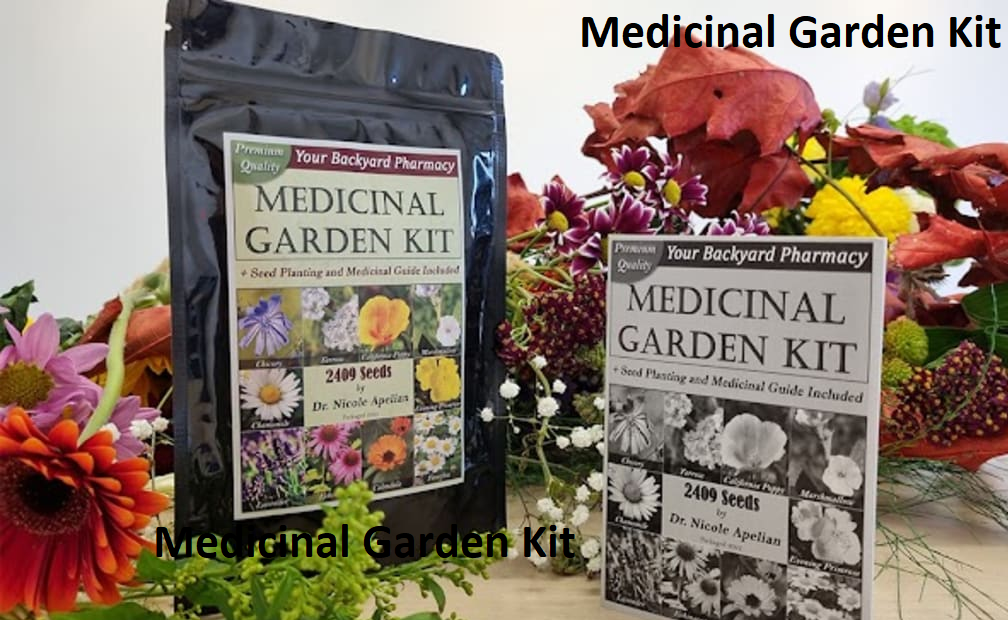
That is where the Medicinal Garden Kit comes in. It is a seed-based starter package designed for people who want to grow medicinal herbs at home without building a garden plan from scratch. The kit bundles seeds and basic growing materials into one purchase, so you can start planting quickly.
This review takes a clear, research-based look at the Medicinal Garden Kit. You will learn what the kit contains, how its features work in practice, and how to grow its herbs step by step. We will also cover the honest pros and cons, the price and value question, what customer feedback tends to say, and the safety steps every herb grower should follow. By the end, you will know whether the Medicinal Garden Kit fits your space, your skill level, and your goals.
What Is the Medicinal Garden Kit?
The Medicinal Garden Kit is a home herb gardening package. It targets people who want to grow plants with long histories in traditional herbal practice. Instead of buying each seed packet separately, you get a curated selection in one box.
Most kits in this category aim at three types of buyers. Beginners want a simple way to start. Experienced gardeners want a convenient set of seeds they might not otherwise find together. Homesteaders and self-sufficiency fans want a reliable way to expand their plant supply.
The core idea is straightforward. You plant the seeds, care for the seedlings, and harvest leaves, flowers, or roots at the right time. Whether that harvest becomes a tea, a dried herb blend, or a garden display depends on your interests and the plant.
Before you buy, keep one point in mind. A Medicinal Garden Kit grows plants. It does not replace medical care. Herbs can be useful in natural wellness routines, but they can also cause reactions or interact with medications. We cover those safety details later in this review.
What Is Inside the Medicinal Garden Kit?
Kit contents vary by seller and by season, so always confirm the current list on the product page. At the time of writing, the Medicinal Garden Kit is listed with the following components, which you should verify before buying: [insert verified seed varieties], [insert number of seed packets], [insert growing medium or pot details], and [insert included tools or plant labels].
Seed varieties in kits like this commonly include popular medicinal and ornamental herbs. Chamomile is a favorite for its daisy-like flowers and mild, apple-scented tea. Lavender brings fragrance, pollinators, and a calm visual presence. Echinacea, calendula, and yarrow are other frequent choices, each with a distinct growth habit. Feverfew, California poppy, evening primrose, marshmallow, and chicory show up in many collections as well.
Good kit contents share a few traits. Each seed packet should list the botanical name, the planting depth, the expected germination window, and the sun requirement. Clear labels help you keep track of what you planted, which matters when several seedlings look alike at first.
When you open your kit, check these items against the listing. Look for seed freshness dates, intact packaging, and clear instructions. If something is missing or damaged, contact the seller right away, because shipping problems are one of the most common complaints with seed kits.
Key Features and Benefits of the Medicinal Garden Kit
The Medicinal Garden Kit stands out for a few practical reasons. Understanding these features helps you judge whether the kit matches your needs.
A Curated Seed Selection
The biggest advantage is convenience. Choosing herbs one at a time takes research. You must confirm sun needs, spacing, bloom time, and whether a plant grows as an annual or perennial. A curated kit does much of that planning for you. The plants in a well-built collection tend to share similar care needs, which makes the whole garden easier to manage.
Beginner-Friendly Growing Potential
Many medicinal herbs are forgiving. Calendula, chamomile, and yarrow often thrive in average garden soil with regular watering and good light. For a first-time grower, that tolerance builds confidence. A small success early on encourages you to expand the garden later.
Flexible Growing Spaces
You do not need a large yard to enjoy herbs. Many medicinal plants adapt well to containers, raised beds, and sunny balconies. This flexibility makes the Medicinal Garden Kit useful for apartment dwellers as well as homeowners with backyards.
Educational Value
Growing from seed teaches you how plants develop. You learn to recognize germination, seedling leaves, true leaves, and the signs of overwatering or nutrient stress. That knowledge carries over into every future garden project.
Potential Wellness and Lifestyle Benefits
Gardening itself offers well-documented benefits. Time outdoors, light physical activity, and hands-on plant care can support a calmer daily routine. Homegrown herbs can also add fresh flavor to meals and simple teas. These benefits come from the gardening experience and the fresh produce, not from any guaranteed health outcome, so keep expectations realistic.
Growing Guide for Your Medicinal Garden Kit
Success with any seed kit depends on the basics. The steps below apply to most herbs in a typical Medicinal Garden Kit. Always follow the instructions printed on your specific seed packets, because timing and depth can differ between species.
Choosing the Right Spot
Most medicinal herbs need full sun, which usually means six to eight hours of direct light each day. A south-facing window, a sunny patio, or an open garden bed works well. Some herbs, such as chamomile and calendula, tolerate a little afternoon shade, but lavender and echinacea generally need strong sunlight.
Drainage matters just as much as light. Standing water rots roots quickly. If you use containers, choose pots with drainage holes and fill them with a light, well-draining potting mix. Raised beds also help, especially in areas with heavy clay soil.
Planting Your Seeds
Start by reading the depth on each packet. Many herb seeds are tiny and need only a light dusting of soil. Others, such as marshmallow, benefit from a short soak before planting to speed germination. Label every row or pot right away, since seedlings can look similar in their first weeks.
Keep the soil evenly moist during germination. A spray bottle works well for delicate seeds because it avoids washing them away. Covering trays with a clear dome holds humidity in, but remove the cover once sprouts appear to prevent mold.
Expect germination to take anywhere from a few days to several weeks. Patience is part of the process. Some seeds, like lavender, may need a cold period before they sprout reliably, so check the packet for stratification notes.
Daily Care and Watering
Water when the top inch of soil feels dry. Overwatering causes more herb failures than underwatering. Water the soil rather than the leaves, and do it in the morning when possible so foliage dries before evening.
Once seedlings develop their first true leaves, thin them to the spacing listed on the packet. Crowded plants compete for light and airflow, which invites disease. Thinning feels hard at first, but it leads to stronger plants.
Feed plants lightly. Most herbs grow well in modest soil, and too much fertilizer can reduce the oils that give many herbs their flavor and aroma. A light balanced feed every few weeks during active growth is usually enough.
Harvesting and Preserving
Harvest timing varies by plant. Leaves are often best just before flowering. Flowers, such as calendula and chamomile, are typically picked when fully open on a dry morning. Roots, like those of some herbs, are harvested later in the season after the plant matures.
To dry herbs, hang small bundles upside down in a warm, dark, airy space. Alternatively, spread leaves on a screen or rack. Once fully dry and crisp, store them in airtight glass jars away from light and heat. Label each jar with the plant name and date.
Pros and Cons of the Medicinal Garden Kit
No product suits everyone, so weigh both sides before you decide.
Pros
The kit saves planning time by bundling compatible plants together. It suits beginners who want a clear starting point. It offers a fun way to learn seed starting and herb care. It can fit small spaces when you choose containers and sunny locations. Fresh homegrown herbs often taste better than store-bought dried versions. The kit also makes a thoughtful gift for gardeners and wellness enthusiasts.
Cons
Seed kits require patience. Some seeds germinate slowly or unevenly, and a few may never sprout, even with good care. The kit does not include everything you might need, such as a grow light for indoor starts or fertilizer for long-term care. Results depend heavily on your climate and light. A plant that thrives in one region may struggle in another. Finally, if you expect instant results, the slow pace of seed growing may frustrate you.
Who Should Skip It
If you want mature plants immediately, buy established starters from a local nursery instead. If you have no sunny location at all, the kit will be difficult to manage. If you need herbs for specific medical reasons, consult a healthcare professional rather than relying on a general garden kit.
Medicinal Garden Kit Price and Value
Price is one of the most common questions buyers ask. At the time of writing, the Medicinal Garden Kit is listed at [insert verified price], with [insert shipping cost or free shipping details]. Prices can change, and promotions appear regularly, so confirm the current figure on the official seller page.
To judge value, compare the cost against buying the same seeds individually. Check how many seed packets you receive and how many plants you can realistically grow. A kit that costs more but includes higher-quality seeds, clearer instructions, and a refund guarantee may deliver better overall value than a cheaper kit with limited support.
Also consider the hidden costs. You may need pots, potting mix, a watering can, plant labels, and possibly grow lights. Factor these items into your total budget before you commit. A realistic first-year estimate helps you avoid surprises.
Look for a satisfaction or money-back guarantee. A reasonable return window signals that the seller stands behind its product. Read the full policy, including who pays return shipping and how long refunds take to process.
What Customers Are Saying
Customer feedback gives useful real-world context, but reviews vary widely. Some buyers praise the variety of seeds and the clear instructions. Others report slow germination, damaged packaging, or seeds that did not sprout. Feedback often depends on climate, timing of planting, and the buyer’s experience level.
When you read reviews, look for patterns rather than single opinions. Check whether complaints focus on shipping, seed quality, or unrealistic expectations. Pay attention to the date of each review, since recent feedback reflects the current kit and policies. Compare reviews across several retailers and independent sites to get a balanced view.
Be cautious about reviews that sound overly promotional or that make health claims. Genuine customer experiences focus on gardening outcomes, such as germination rates, plant growth, and ease of use. Any review that promises medical results should be treated with skepticism.
Safety Tips Before Using Your Herbs
Medicinal herbs deserve respect. Even common garden plants can cause reactions, and some interact with prescription medications. Safety should come first.
Identify every plant before you harvest or consume it. Keep labels on all pots and rows. Mixing up seedlings can lead to serious mistakes, especially with look-alike plants.
Know the known concerns for specific herbs. Chamomile can trigger allergic reactions in people sensitive to ragweed and related plants. Echinacea may affect people with autoimmune conditions or those taking immune-related medicines. Feverfew is generally not recommended during pregnancy. Marshmallow and evening primrose can interact with certain medications. Always research each plant before using it in any form.
Start small if you try a homemade herbal tea or preparation. Use a single new herb at a time so you can notice any reaction. Stop use and seek medical care if you experience symptoms like swelling, difficulty breathing, rash, or unusual pain.
Talk with a doctor or pharmacist before using herbs if you are pregnant, nursing, managing a chronic condition, or taking any medication. This step protects your health and makes your herbal gardening experience safer.
Is the Medicinal Garden Kit Worth It?
The Medicinal Garden Kit is worth considering if you want a structured, beginner-friendly way to start growing herbs at home. It offers convenience, a useful learning experience, and a chance to build a garden that serves both practical and aesthetic goals.
It is less suitable if you need fast results, have very little sunlight, or expect the kit to solve every gardening challenge on its own. Success still depends on your effort, your local conditions, and your willingness to learn.
For most people, the best approach is to start with the kit, grow a few plants well, and expand gradually. Treat the first season as a learning period. Track what germinates, what thrives, and what you enjoy using. That information will help you decide whether to buy again and which herbs to prioritize next time.
Conclusion
The Medicinal Garden Kit brings together seeds, guidance, and the chance to grow herbs with a long tradition of use. It simplifies planning, teaches valuable gardening skills, and fits many spaces. At the same time, it requires patience, good light, and careful safety habits.
Before you buy, verify the current price, seed list, and return policy. After you buy, follow the growing steps closely, label every plant, and research each herb before use. With realistic expectations and steady care, the Medicinal Garden Kit can become a rewarding addition to your home, your routine, and your love of growing things.
Frequently Asked Questions
Is the Medicinal Garden Kit good for beginners?
Yes, it can work well for beginners. The curated seeds and included guidance remove much of the planning work. Beginners should still expect a learning curve, especially with germination timing and watering. Starting with sturdy, forgiving herbs like calendula and chamomile builds early confidence.
How long does it take to grow herbs from the kit?
Timelines vary by species. Some seeds sprout within a week or two, while others take several weeks. Many herbs need a few months of growth before harvest. Check the packet for the exact germination and maturity window of each plant.
Can I grow the Medicinal Garden Kit indoors?
Yes, but indoor growing requires strong light. A bright south-facing window may work for some herbs, although a grow light often produces better results. Choose containers with drainage and rotate pots regularly so plants grow evenly.
Do I need special soil for these herbs?
Most medicinal herbs prefer light, well-draining soil. Heavy, soggy soil leads to root rot. A quality potting mix or a garden bed amended with compost usually works well. Avoid overly rich soil, since it can weaken the plant aromatic oils.
Are herbs from the kit safe to eat or drink?
Some herbs are commonly used in teas and food, but safety depends on the specific plant, your health status, and how you prepare it. Research each herb thoroughly, start with small amounts, and consult a healthcare professional if you have medical conditions or take medication.
What if my seeds do not sprout?
Poor germination can result from old seeds, incorrect planting depth, cold soil, or inconsistent moisture. Review the packet instructions and your growing conditions. If seeds still fail to sprout, contact the seller, since many kits include a guarantee or replacement policy.
Does the Medicinal Garden Kit make a good gift?
It makes a thoughtful gift for gardeners, herb enthusiasts, and people interested in natural living. Pair it with a pot, a small tool set, or a plant care guide to make the present feel complete.
Can children help with a Medicinal Garden Kit?
Children can enjoy planting seeds, watering, and watching plants grow. Supervise them closely, keep all herbs out of reach for tasting unless an adult has confirmed safety, and teach them never to eat plants they have not identified.
