

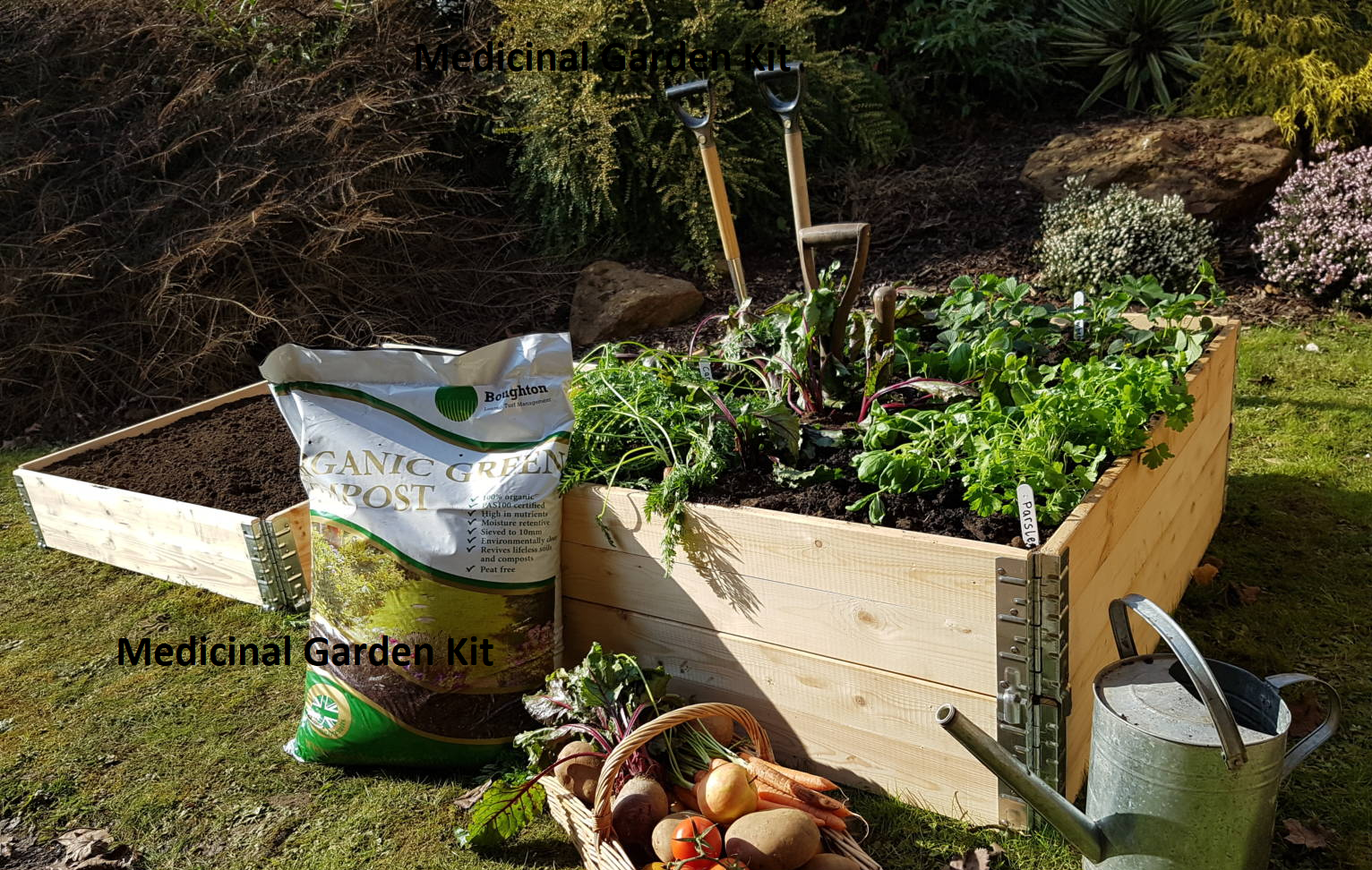
Growing your own herbs has never been more popular. Many people want a small backyard or windowsill garden that offers natural options for tea, skin care, and everyday wellness. The Medicinal Garden Kit promises exactly that. It bundles a set of medicinal herb seeds with growing instructions and aims to help beginners start a home herbal garden with little experience. In this review, you will learn what the kit contains, how the growing process works, where it shines, where it falls short, and whether the price makes sense for you. Our goal is a balanced, research-based view so you can decide with realistic expectations.
What Is the Medicinal Garden Kit?
The Medicinal Garden Kit is a seed collection aimed at people who want to grow their own medicinal plants at home. Sellers describe it as a curated set of ten herb varieties paired with a printed or PDF guide. Product pages and independent review sites describe the package in slightly different ways. Seed counts, bonus materials, and the creator’s background all vary between listings. For that reason, confirm the current contents on the official seller page before you buy.
Because the kit focuses on plants rather than finished products, it sits in a different category than herbal supplements. You will not receive capsules, tinctures, or teas. Instead, you receive the seeds and the knowledge to grow them yourself. Think of it as a starting point for a hands-on herb garden.
What Is Inside the Kit?
Ten herb varieties appear most often across the listings we reviewed. Here is the typical lineup and what each plant brings to a garden.
- Chicory seeds: Chicory grows a deep taproot and produces striking blue flowers. Gardeners have long used its roots in traditional drinks, and it tolerates a range of soils.
- Yarrow seeds: Yarrow is a hardy perennial with feathery leaves and flat clusters of white or pink blooms. It attracts pollinators and fits naturally into wildflower-style beds.
- California poppy seeds: This plant produces bright orange flowers and handles dry conditions well. Many gardeners grow it for color and easy care.
- Marshmallow plant seeds: Marshmallow grows tall with soft leaves and pink flowers. Its roots have a long history in traditional herbal preparations.
- Chamomile seeds: Chamomile produces daisy-like blooms with a sweet scent. Gardeners often dry the flowers for homemade tea.
- Evening primrose seeds: This plant opens yellow flowers at dusk. Its night blooms draw moths and other nighttime pollinators.
- Lavender seeds: Lavender offers fragrant purple spikes. It thrives in sunny spots with well-drained soil.
- Echinacea seeds: Echinacea is a striking purple coneflower that many pollinators visit. It returns year after year once established.
- Calendula seeds: Calendula produces cheerful orange and yellow flowers. Gardeners grow it as a cutting flower and for homemade skin care preparations.
- Feverfew seeds: Feverfew is a daisy-like perennial with small white blooms. It self-seeds readily, so it can spread through a garden over time.
Some sellers also mention extra items such as growing calendars, layout plans, or digital bonuses. Treat these add-ons as possible extras rather than guaranteed contents.
Key Features and Benefits
The biggest advantage of the Medicinal Garden Kit is convenience. Instead of searching for ten separate seed varieties, you receive a curated group in one purchase. This saves time and reduces the guesswork that often frustrates new gardeners.
Second, the kit supports learning. The guide helps you understand how each plant grows, what conditions it prefers, and how gardeners traditionally use it. For many people, this educational value matters as much as the seeds themselves.
Third, a home herbal garden can offer practical benefits. Fresh herbs taste better than dried store-bought versions, and growing your own reduces trips to the grocery store. Many of these plants also support pollinators such as bees and butterflies, which makes your yard more useful for local wildlife.
Finally, the kit fits many spaces. Lavender, calendula, and chamomile can grow in containers on a patio. Other plants need more room, so plan your layout before you plant.
It is important to be clear about what the kit does not do. Growing these plants does not replace medical care, and no garden kit can guarantee specific health outcomes. Treat the herbs as a hobby and a source of fresh plants, not as a treatment plan.
Growing Guide: Getting Started
If you want to grow medicinal herbs at home, start with a plan. Herbal gardening for beginners works best when you match plants to your conditions rather than trying to grow everything at once.
First, check your sunlight. Most herbs in this kit need at least six hours of direct sun each day. Lavender, calendula, and California poppy especially prefer bright conditions. Shady balconies suit fewer of these plants, so choose your spot carefully.
Next, prepare your soil. Many medicinal herbs prefer loose, well-drained soil. Heavy clay can cause roots to rot, so mix in compost or use a quality potting mix for containers. Chicory and marshmallow both benefit from deep, loose soil because their roots grow long.
Then, review your climate. Some plants, such as lavender and echinacea, handle cold winters well once established. Others behave more like annuals in certain regions. Check your local planting zone and adjust your timing accordingly.
Finally, read the medicinal herb growing guide that comes with the kit. Even a simple guide saves you from common beginner mistakes like planting too deeply or overwatering. Keep notes on what grows well so your second season goes even better.
Step-by-Step Planting Process
Planting from seed takes patience, but the process itself is straightforward. Follow these general steps, then adjust based on the instructions for each variety.
First, sow seeds at the depth listed on the packet. Many small seeds need only a light dusting of soil. Larger seeds, such as marshmallow, may need slightly deeper planting.
Next, water gently. Use a fine spray so seeds do not wash away. Keep the soil lightly moist until germination, which can take anywhere from a few days to several weeks depending on the plant.
Then, thin your seedlings. Once plants have a few true leaves, remove the weakest ones so the strongest seedlings have room to grow. Crowded herbs often produce weaker stems and fewer flowers.
After that, mulch and maintain. A light layer of straw or shredded leaves helps retain moisture and suppress weeds. Water deeply but less often, which encourages strong roots.
Finally, harvest with care. Pick flowers and leaves in the morning after the dew dries. Harvest only what you need, and never take more than a plant can spare. This practice keeps your home herbal garden productive for years.
Pros of the Medicinal Garden Kit
The kit offers several clear strengths. Many buyers appreciate the curated plant selection, since each herb serves a traditional purpose and adds visual variety to the garden. The beginner-friendly format also helps people who have never grown anything from seed before. Clear instructions reduce confusion and make early success more likely.
Value for money can also work in your favor. If you would otherwise buy ten separate seed packets, a bundle may simplify your shopping and reduce the chance of missing a key variety. The kit also encourages long-term habits such as saving seeds, keeping garden journals, and learning about plant care.
Finally, the kit suits many goals. Natural herb gardening appeals to people who want cleaner, more self-reliant habits. It also works well for families who want a shared project that teaches children about plants and pollinators.
Cons and Limitations to Consider
No product is perfect, and the Medicinal Garden Kit has real limitations. Seeds may fail to sprout because of old stock, poor storage, or weather conditions. Germination results vary widely, so do not expect every seed to grow.
Patience is also essential. Many herbs need a full season or more before they produce useful flowers or leaves. If you want quick results, a kit like this may frustrate you.
Additionally, seed counts, bonus materials, and creator details differ across listings. This inconsistency makes it harder to compare offers. Always verify what you are buying directly with the seller.
Finally, the guide may not cover every region. Local climate, soil, and pests can change how plants perform. You may need to adapt the instructions to your own yard.
Customer Feedback and Complaints
Customer reviews for the Medicinal Garden Kit are mixed, and that is common for seed products. Many reviewers praise the variety of plants and the simplicity of the guide. They often say that the first sprouts provided a rewarding moment. Others report slow germination, uneven results, or disappointment that the kit requires ongoing effort.
Complaints tend to focus on three areas. First, some buyers expected faster results. Second, some felt the guide was too basic for experienced gardeners. Third, some noticed that listings and sales pages made claims that felt stronger than the product could support.
Many people also search for whether the kit is a scam or legit. Our research did not uncover clear evidence of fraud. However, many review pages online look similar and appear to be promotional, so it is hard to judge which opinions are fully independent. Read reviews from several sources, look for detailed experiences rather than generic praise, and check the seller’s refund and contact information before you order.
Pricing and Value Analysis
Pricing for the Medicinal Garden Kit can change, and sources report different figures. For that reason, check the official seller page for the current price before you buy. Some listings mention a money-back guarantee, and one reported a 365-day refund window. Read the full terms, because policy details can differ by seller and region.
To judge value, compare the cost against the seeds alone. Buy individual packets from a reputable seed company and total the price for the same ten varieties. Then add the value of the guide. If the difference is small and the guide helps you succeed, the kit may be worth it. If you already know how to grow these plants, buying seeds separately may save money.
Think about how many plants you need, too. A single kit may provide enough seed for a small bed or several containers. Larger gardens may require additional packets, which raises the total cost.
Safety Tips for Using Medicinal Herbs
Growing medicinal herbs is a fun hobby, but safety matters. Many of the plants in this kit belong to the daisy family, including chamomile, calendula, echinacea, feverfew, yarrow, and chicory. People with allergies to ragweed or other daisy family plants may react to them. Test a small amount of any plant you plan to use, and stop immediately if you notice irritation.
Pregnancy and medical conditions require extra caution. Feverfew, for example, is not recommended during pregnancy by many health professionals. If you take prescription medicine, have a chronic health condition, or plan to use herbs for a specific health concern, talk with a doctor or pharmacist first. Plants grown at home can still interact with medications or affect people differently.
Finally, learn to identify plants correctly. Some garden plants resemble toxic species. Use reliable reference sources, confirm identification before harvesting, and keep children and pets away from unfamiliar plants.
Conclusion
The Medicinal Garden Kit offers a convenient way to start a home herbal garden. It brings together ten popular herbs, provides a beginner-friendly learning path, and encourages a hands-on connection with plants. Its biggest strengths are variety, convenience, and the educational value of growing your own herbs from seed.
However, the kit is not a shortcut. Seeds need patience, sunlight, and good soil. Listings vary in their details, and customer feedback is mixed. Before buying, confirm the current contents, price, and refund terms on the official seller page. Then decide whether you enjoy the process of gardening enough to commit to a full growing season.
If you want a practical, educational project and you accept that results take time, the Medicinal Garden Kit may suit you well. If you want fast outcomes or a guaranteed health solution, look elsewhere.
Frequently Asked Questions
What is the Medicinal Garden Kit used for?
The kit is used to grow medicinal and traditional herbs at home. Gardeners use the plants for fresh flowers, leaves, and roots in tea, skin care, and other homemade preparations. Always research safe use before you prepare any herb.
Is the Medicinal Garden Kit a scam or legit?
Our research did not reveal clear evidence of fraud. However, many online reviews appear promotional, so judge the product carefully. Check the seller’s contact details, refund policy, and recent customer experiences before you buy.
Are the seeds in the Medicinal Garden Kit non-GMO?
Some listings describe the seeds as non-GMO. Confirm this claim with the seller, because product details can change over time. Ask for specific information if this matters to you.
Do I need gardening experience to start?
No prior experience is required, though some patience helps. The guide is designed for beginners. Start with a small area or a few containers so you can learn without feeling overwhelmed.
Can I grow the Medicinal Garden Kit indoors?
Some herbs can grow indoors with strong light, such as a bright south-facing window or a grow light. Lavender, calendula, and California poppy need the most light. Indoor growing usually works better for smaller plants and containers.
Which herbs are easiest to start with?
Calendula, chamomile, and California poppy tend to be forgiving for beginners. They sprout reasonably well and tolerate some variation in care. Start with these plants to build confidence before trying longer-season herbs like marshmallow.
Are medicinal herbs safe for everyone?
No. Some people react to daisy family plants, and certain herbs are not recommended during pregnancy or with specific medications. Talk with a doctor or pharmacist before using any herb for health purposes.
How long does it take to harvest?
Harvest timing depends on the plant and your climate. Some herbs produce flowers within one season, while others need a full year to establish. Check the guide for estimated timelines for each variety.
