

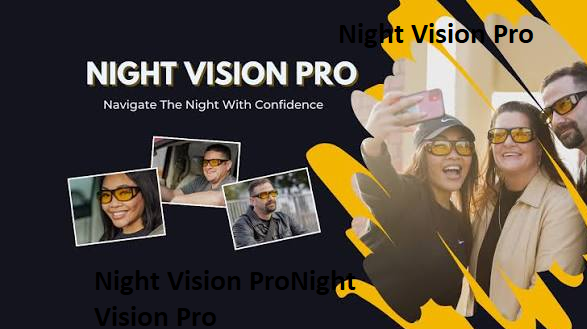
Night Vision Pro: A Buyer’s Guide to Anti-Glare Night Driving Glasses
Night driving feels harder than daytime driving for many people. Headlights from oncoming cars bloom across the windshield. Wet pavement reflects streetlights. Because of this, many drivers search for Night Vision Pro and similar products. This guide answers the core question: do Night Vision Pro glasses and other night driving glasses help, and what should a careful buyer check first? It does not rate the product or promise results. Instead, it explains how these glasses work, what to verify, and how to judge reviews fairly.
What Are Night Driving Glasses?
Night driving glasses are eyewear designed for low-light conditions. Most models have yellow or amber tinted lenses. Some add an anti-reflective coating. Others use polarized lenses. Manufacturers say these features reduce headlight glare and improve low-light contrast, so road edges, lane lines, and road signs stand out more clearly.
Many models are sold as fit-over glasses. This means they slide over regular eyeglasses, so a driver does not need a new prescription. Prices and build quality vary widely. Basic models are inexpensive, while premium frames include better coatings, sturdier materials, and longer warranties. Therefore, the right choice depends on the driver’s needs and budget.
How Anti-Glare Lenses Work
Glare happens when bright light scatters inside the eye or reflects off surfaces. Anti-glare coatings reduce reflections from the lens surfaces themselves. Polarized filters block some scattered light waves, which can help with glare from wet roads and car hoods. Together, these features aim to make bright scenes more comfortable.
Yellow tints work differently. They change how colors appear and may make some scenes seem sharper. However, tints also reduce the total amount of light reaching the eye. As a result, dim rural roads can become harder to see. Drivers should keep this tradeoff in mind.
The blue light claim deserves caution. Some marketing says yellow lenses block blue light in a way that improves night driving. Research on blue light filtering shows mixed results, and the evidence for driving benefits is limited. Readers should treat strong claims about special light-filtering abilities with healthy skepticism.
Night Vision Pro Features to Verify
Night Vision Pro appears in many online listings for night driving glasses. Before buying any product under this name, check several features carefully. Start with the lens type. Confirm whether the lenses are tinted, anti-reflective, polarized, or a combination. Next, check whether the listing states UV protection clearly. Then confirm the frame size and whether the design truly fits over prescription glasses.
Lens material matters too. Polycarbonate lenses resist impact better than basic plastic, which is important for daily driving. Review the warranty length and what it covers. Finally, look for published lens specifications or testing data. A brand that shares specific details is generally easier to trust than one that relies only on broad promises like instant clarity or total glare removal.
Night Vision Pro Benefits Reported by Owners
Shoppers searching for Night Vision Pro Benefits usually want to know what everyday drivers experience. Owner reports often mention less squinting, easier reading of road signs, and more comfort on long drives. Some people say rainy nights feel less stressful. Others note that the glasses fit comfortably over their prescription lenses.
These reports are useful, but they are not the same as independent test results. Each person’s experience depends on their eyesight, the headlights they face, road conditions, and their expectations. For example, a driver with mild glare sensitivity may notice a big difference, while a driver with cataracts may see little change. Therefore, treat owner benefits as a starting point, then compare them with other sources before buying.
Night Vision Pro Price and What Affects Cost
Night Vision Pro Price is one of the most common questions in this category. Prices for night driving glasses range from low-cost fit-over models to premium frames with advanced coatings. Higher prices usually reflect better lens materials, stronger coatings, durable frames, and longer warranties. However, a higher price does not guarantee better results.
Before paying, calculate the total cost. Add shipping, taxes, and any restocking fees. Then check the return window. A generous return policy protects the buyer if the glasses do not suit their driving needs. Compare the product specifications and return terms across two or three sellers. Since prices change often, confirm the current amount on the seller’s page before ordering.
Common Night Vision Pro Complaints to Watch For
Searches for Night Vision Pro Complaints usually point to a few recurring issues. Some buyers say the yellow tint makes dim roads harder to see. Others report that the frames feel snug over prescription glasses or create pressure near the temples. A few mention that lenses scratch easily or that the coating wears off over time.
Shipping delays and difficult refund requests also appear in some customer feedback. These complaints matter because they reveal where expectations may fall short. Before buying, read both positive and negative reviews. Focus on patterns instead of single comments, since one unhappy customer does not represent everyone.
Night Vision Pro Reviews and Customer Feedback
Night Vision Pro Reviews can help shoppers, but only when they come from trustworthy sources. Many review pages online look nearly identical, and some repeat the same testimonials across unrelated websites under different names. Others publish high star ratings without showing how the numbers were collected. Rating counts that differ from one site to the next are another warning sign.
Reviews from retailers that display verified purchase labels are generally more reliable. Check review dates as well, because recent feedback better reflects current manufacturing and shipping. Detailed reviews also carry more weight. When a reviewer mentions rain, country roads, a specific prescription, or how long they wore the glasses, the account is easier to judge. Vague praise like “great product” tells the reader very little.
Is Night Vision Pro Scam or Legit?
Many shoppers ask whether Night Vision Pro is a scam or legit. A product can be real and still disappoint. A scam usually involves deceptive advertising, hidden charges, fake reviews, or a product that never arrives. To check a seller, begin with basic business details. Look for a physical address, a working customer service email or phone number, and clear return terms.
Next, search the brand name alongside words like complaints, refund, and chargeback. Check whether the company publishes lens details and any testing information. Be cautious of countdown timers, pressure to buy now, and hidden subscription terms. The Federal Trade Commission has also issued a rule banning fake reviews, which gives shoppers a useful standard for judging review pages. If a seller cannot answer basic questions about its product or policies, consider buying elsewhere.
This article did not find independent testing or verified manufacturer data that confirms the product’s claims. That does not prove the product is a scam. It means buyers should verify the details themselves before purchasing.
Anti-Glare Glasses for Night Driving: Pros and Cons
Anti-glare glasses for night driving offer real advantages. They may reduce discomfort from oncoming headlights. They can improve contrast on busy city streets. Fit-over models are affordable and easy to try, so they suit drivers who do not want to change their prescription. Also, many people appreciate the simple, low-commitment nature of trying a new pair.
Drawbacks exist as well. Tinted lenses reduce light, which can hurt visibility on unlit rural roads. Some frames feel bulky during long drives. Glasses cannot correct poor eyesight, so a driver with uncorrected vision problems will still struggle. Some drivers also prefer clear anti-reflective lenses over yellow tints, since clear lenses keep colors accurate. Weigh these tradeoffs against your own driving habits.
Who Should Consider Night Driving Glasses?
Night drivers who struggle with glare often gain the most. Commuters who drive during dusk or early evening may find the greatest value. Eyeglass wearers who need fit-over designs have more options, and shoppers who want a low-cost trial can start with a basic pair. Older adults face vision changes that make night driving more difficult, so they deserve extra care when choosing eyewear. Online shoppers should compare sellers carefully before buying anything.
Older Adults and Night Driving Eye Health
Vision changes with age. The eye lens becomes less clear over time, and pupils shrink, which can reduce the light reaching the retina. Cataracts can increase glare and create halos around lights. Adjusting to darkness also takes longer as people get older. Night driving glasses cannot treat these conditions.
Anyone who notices new glare, blurring, or trouble seeing at night should schedule an eye exam with an optometrist or ophthalmologist. A professional can check for cataracts, update prescriptions, and recommend anti-reflective coatings. These steps often help more than a tint. Therefore, a comprehensive eye exam should come before any purchase.
Smart Tips for Online Shoppers
Start by reading the return policy in full. Look for a clear refund window and simple instructions for returning items. Save order confirmations and screenshots of product listings in case the details change. Compare product photos with the written description, and note any mismatch.
Next, compare at least two or three sellers. Avoid stores that hide contact information or make it hard to reach customer support. When possible, pay with a credit card, since card issuers often provide stronger dispute options than some other payment methods. After the glasses arrive, check the fit with your regular glasses at home. Confirm that the frames sit comfortably and that the lenses are free of scratches or distortion before the return window closes.
Frequently Asked Questions About Night Vision Pro
What is Night Vision Pro?
Night Vision Pro is a brand name that appears in online listings for night driving glasses. Shoppers should confirm the seller, product specifications, and return policy before buying. This article did not find independent testing that confirms the product’s claims.
Do night driving glasses really work?
Night driving glasses may reduce glare and improve comfort for some drivers. They do not improve eyesight or correct vision problems. Results vary from person to person, so reading honest feedback from many sources helps set realistic expectations.
Are Night Vision Pro glasses a scam or legit?
The answer depends on the seller’s practices. Check for a physical address, working customer support, clear return terms, and reviews that show verified purchases. A product can be real and still fail to meet every buyer’s needs.
Can I wear Night Vision Pro glasses over prescription glasses?
Many fit-over designs are made for this purpose. Check the frame size and the product description before ordering. Test the fit at home, since snug frames may cause pressure or discomfort during longer drives.
Are yellow lenses safe for night driving?
Yellow lenses change color perception and reduce the total amount of light reaching the eye. This can make dim roads harder to see. Drivers who use tinted lenses should be careful on unlit roads and should discuss their choice with an eye care professional.
How much do night driving glasses cost?
Prices vary widely, from low-cost fit-over frames to premium models with advanced coatings. Compare the total cost, including shipping and any fees, along with the return policy and warranty.
Do Night Vision Pro reviews reflect real customers?
Review reliability varies. Look for verified purchase labels, detailed and dated comments, and consistent rating counts across sites. Be cautious of identical testimonials repeated across unrelated websites.
Should older adults use night driving glasses?
Night driving glasses may help with glare for some older adults. However, an eye exam should come first, since cataracts and changing vision often require medical care or updated prescriptions.
Can night driving glasses replace an eye exam?
No. Night driving glasses are an accessory, not a medical treatment. Regular eye exams check for conditions that affect driving safety, and they remain the most reliable way to protect vision on the road.
Conclusion
Night driving glasses, including products sold under the Night Vision Pro name, aim to reduce glare and improve low-light comfort. Some drivers may notice a benefit, especially those who struggle with headlight glare. However, tinted lenses also reduce light, and no pair of glasses can fix poor eyesight.
The smartest approach is to verify before you buy. Check the lens specifications, compare prices and return policies, and read reviews from verified buyers. Schedule an eye exam if your night vision is changing. With these steps, you can decide whether night driving glasses fit your needs and budget.
