

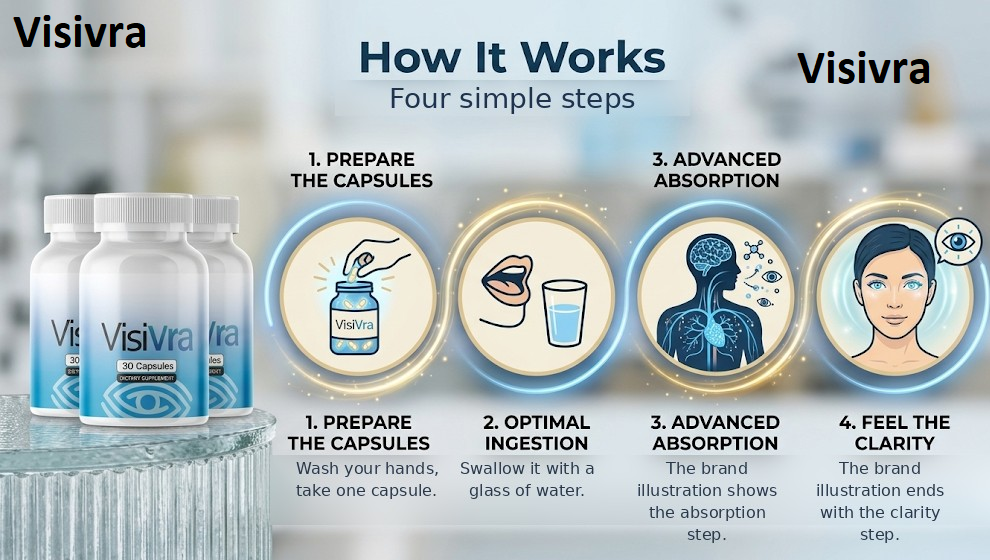
Visivra Review 2026 Ingredients Benefits and Side Effects
Your eyes work hard every single day. If you spend long hours in front of a laptop or phone, you may notice dryness, tired eyes or blurry focus by late afternoon. That is one reason eye health supplements have grown so popular. Visivra is one of the newer products in this crowded space, and it is natural to ask a simple question. Is Visivra legit and does it actually help? This review gives you a clear and research-based answer. You will learn what the product claims to do, which ingredients are commonly discussed, what the science says about those ingredients, and what you should check before spending any money.
Here is the honest picture from the start. Visivra is a dietary supplement, not a drug. It is not approved by the FDA to treat, cure or prevent any eye disease. Public information about its formula is inconsistent from one website to the next. Independent clinical trials on the finished product were not found during this review. None of that automatically means the product is useless. It does mean you should approach it with realistic expectations and a careful eye.
What Is Visivra and How Is It Meant to Work
Visivra is marketed as a daily capsule for adults who want to support everyday eye comfort and long-term vision health. The brand presents it as a complement to a healthy routine rather than a replacement for medical care. Most of the marketing focuses on three areas. The first is digital eye strain caused by screens. The second is general support for the retina and macula, the central part of the retina that handles sharp detail. The third is protection against oxidative stress, a natural process in which unstable molecules called free radicals build up and can affect cells over time.
Supplements like this work through nutrition rather than quick relief. The basic idea is straightforward. Your eyes contain certain nutrients in high concentration, and a steady daily intake may help maintain healthy levels of those nutrients. Any benefit usually builds slowly. Many people who take eye supplements do not notice a dramatic change in the first week. Instead, any improvement tends to be subtle and shows up after several months of consistent use. Therefore, patience matters just as much as the product itself.
Why Eye Health Supplements Are Getting So Much Attention
Interest in eye health products has grown for several clear reasons. Screen time has increased sharply for work, school and entertainment. Many adults reach their forties and begin to notice changes in focus, night vision or glare sensitivity. At the same time, people want ways to support their health without relying only on prescriptions. Consequently, the market for vitamins and plant-based formulas that promise clearer vision has expanded quickly.
However, a crowded market brings a familiar problem. Many products use bold claims and emotional testimonials while offering little detail about dosage or testing. Smart buyers learn to look past the headlines. They ask what each ingredient does, how much of it is included, whether the company publishes a full label and whether independent research supports the final product. Visivra deserves exactly that kind of careful review. In addition, a good buyer always asks whether the product fits their own health needs and risk factors.
Visivra Ingredients What the Sources Say
Ingredients matter more than marketing, so this section looks closely at what is known. The honest answer is that the formula is described differently across the web. Some articles list lutein, zeaxanthin, bilberry extract and astaxanthin. Others mention zinc, vitamin C, vitamin E and omega 3 fatty acids. A few pages describe a much larger blend with many botanicals. One press release states that the brand names six core ingredients but does not disclose specific doses in the available materials.
This inconsistency is a real warning sign. Before you buy, look at the supplement facts panel on the actual bottle or the official product page. A trustworthy label lists every ingredient and the exact amount per capsule. If the label is hard to find or vague, that is a good reason to pause and reconsider. Similarly, if a seller cannot tell you what is in the bottle, you should walk away.
Even without a confirmed list, the nutrients most often mentioned have solid research behind them. Here is what each one generally does.
Lutein and zeaxanthin are carotenoids. These yellow pigments appear in leafy greens such as spinach and kale. They concentrate in the macula, where they may help filter some high-energy blue light and act as antioxidants. A large clinical study called AREDS2 tested these nutrients in people with more advanced age-related macular degeneration. Those findings support their role in eye nutrition. Still, that study focused on specific patient groups rather than the general public, so the results should not be stretched too far.
Bilberry extract comes from a berry related to blueberries. It contains anthocyanins, plant compounds with antioxidant activity. Some older studies suggested benefits for night vision. The evidence, however, is mixed and often based on small trials.
Astaxanthin is a red carotenoid produced by microalgae. Laboratory work and small human studies suggest antioxidant effects. Large trials focused on eye health remain limited.
Zinc helps move vitamin A from the liver to the retina. It also appears in the well-known AREDS formulas, which is why it shows up in many vision supplements.
Vitamins C and E act as antioxidants and support normal cell protection. Vitamin A is essential for the light-sensing cells in the retina. Omega 3 fatty acids, especially DHA, are structural components of retinal tissue. They may also support tear quality for people with dry eye symptoms.
The key takeaway is that the building blocks make sense. The open question is whether Visivra includes them in meaningful amounts. Until the label is confirmed, the ingredient profile remains an informed guess rather than a verified fact.
How Lutein and Zeaxanthin Support Eye Health
These two nutrients appear in almost every eye supplement, so they deserve a longer look. The macula contains a yellow spot made largely of lutein and zeaxanthin. Your body cannot manufacture them, which means you must obtain them through food or supplements. Diets rich in leafy greens, eggs and colorful vegetables usually provide some of these carotenoids. Yet many adults eat far fewer vegetables than health guidelines recommend.
Researchers believe these pigments help in two main ways. First, they absorb excess blue light before it reaches sensitive cells. Second, they neutralize reactive molecules that can damage cell membranes over time. Together, these functions may help maintain the macula as people age.
Precision matters here. Research shows that these nutrients are valuable for macular health. It does not prove that any single supplement will prevent eye disease or improve normal vision for everyone. The strongest case for supplementation applies to people with low dietary intake or to people with specific eye conditions who are monitored by a doctor. Therefore, a supplement works best as a backup to good nutrition rather than a shortcut around it.
Possible Benefits of Visivra
Based on its ingredient categories, Visivra may offer several potential benefits. Each one should be read as a possibility rather than a guarantee.
Digital eye comfort is the first possibility. Lutein and zeaxanthin are often marketed to screen users because of their link to blue light absorption. Some people who spend hours on devices report less tiredness. This experience is subjective, and it has not been proven for this specific product.
Macular support is the second. Adding carotenoids to the diet may help maintain normal macular pigment levels. This matters most for adults over forty who may eat fewer leafy greens than they should.
Antioxidant protection is the third. Vitamins C and E and carotenoids work together to counter oxidative stress. This is a general benefit for overall health rather than a specific treatment for any condition.
Dry eye support is a possibility if the formula contains omega 3 fatty acids. Several studies connect these fats with improved tear quality, although results vary from person to person.
Night vision support is another claim sometimes made for bilberry. The evidence here is limited, so treat this claim with caution.
Keep in mind that these are general nutritional benefits. Visivra has not been shown in independent, published trials to produce these results. Anyone expecting a dramatic change should adjust expectations before starting.
Visivra Side Effects and Safety
Safety should come first in any supplement review. Based on the information available, Visivra is generally considered well tolerated when taken as directed. Reviews and health forums have not widely reported serious problems. Still, no supplement is completely free of risk, and individual reactions vary.
The most common mild effects with multi-ingredient vitamin formulas include upset stomach, nausea, loose stools or a feeling of fullness. Taking the capsule with a meal often reduces these issues. Some people also notice a harmless yellowing of the skin after taking high doses of carotenoids. This usually fades after lowering the amount.
Several groups should talk with a doctor before starting. People who take blood thinners such as warfarin need extra care because some botanicals and high-dose vitamin E can affect clotting. Pregnant or breastfeeding women should seek professional advice before taking any new supplement. People with a history of kidney stones, hormone-sensitive conditions or known allergies to any ingredient should read the full label carefully. Smokers and former smokers should avoid high-dose beta carotene, which has been linked to increased lung cancer risk in some studies. Since the exact Visivra formula is not clearly published across sources, a complete label check is essential.
If you develop eye pain, sudden vision loss, a shower of new floaters or flashes of light, or any change that worries you, see an eye doctor promptly. A supplement never replaces a professional eye exam.
Visivra Price and Where to Buy
Pricing is another area where information varies. One review source reports a promotional price of $49 per bottle, reduced from a standard price of $99, with multi-bottle packages offering extra savings. Other pages do not list the same figures, and some listings appear on third-party sites. Prices change often, so treat any number you read as a snapshot rather than a final figure.
To protect yourself, buy only from the official website or from a retailer you trust. Be cautious of unfamiliar sellers offering steep discounts, and avoid any site that asks for unusual payment details. Check the return policy and the refund guarantee before you order. A reputable company publishes clear terms and provides a working customer service contact.
Multi-bottle deals can lower the cost per month. However, they only make sense if the product suits your body. Buying a larger supply before you know how you respond is a real risk. A safer approach is to start with one bottle, track how you feel and reassess once the trial period ends. Then you can decide whether a bigger package is worth the investment.
Visivra Customer Reviews What Users Say
Customer feedback is useful, but it must be read with care. Many testimonials online appear on sponsored pages or affiliate sites, which makes them less reliable. Some reviews describe reduced glare sensitivity, better focus during long computer sessions and improved comfort at night. Others report no noticeable change or say results took several weeks to appear.
Look for patterns rather than single stories. If many independent reviewers describe similar experiences, that carries more weight than one glowing testimonial. Also check whether the reviewer mentions a time frame, a dose and any other supplements or medications they take. Balanced reviews include both positive and negative experiences. Meanwhile, be wary of any review that promises a miracle or claims to cure a disease.
Visivra Pros and Cons
Every product has strengths and weaknesses. Here is a fair summary.
The pros include a focus on ingredients that researchers commonly study for eye nutrition. The product also comes as a convenient once-daily capsule. Its general safety profile appears acceptable for most healthy adults. Finally, the brand positions the product as a support option rather than a miracle cure, which is a more honest message than many competitors use.
The cons include inconsistent public information about the formula. Independent clinical testing of the finished product was not found. Dosing details differ across sources, and the price may be higher than simpler lutein supplements. Some buyers may also find results slow or subtle, which can be disappointing if they expect quick changes.
How to Choose the Right Vision Supplement
If Visivra does not feel like the right fit, you can still shop wisely. Start by reading the supplement facts panel. Look for lutein in amounts that match published research, often around 10 milligrams per day, and zeaxanthin in smaller, sensible amounts. Confirm that vitamins and minerals appear at levels close to daily recommended values rather than extreme doses.
Next, check for third-party testing seals from groups such as USP or NSF. These programs verify that a product contains what its label says and is free from certain contaminants. Confirm that the company is transparent about manufacturing and offers a responsive customer support line. Compare the cost per serving rather than the sticker price of the bottle. A cheaper product with weak dosing may cost more in the long run.
Finally, talk with an eye care professional. This step matters most if you have diabetes, high blood pressure, a family history of eye disease or current eye symptoms. A routine eye exam can detect many problems early, and it remains the strongest protection available. Diet and screen habits also make a real difference. Eat leafy greens and eggs regularly, follow the twenty twenty twenty rule by looking at something twenty feet away for twenty seconds every twenty minutes and wear UV-blocking sunglasses outdoors.
Final Verdict Is Visivra Worth Trying
So, is Visivra legit? The company appears to sell a real dietary supplement. Its likely ingredient categories are backed by reasonable research. However, the public record is inconsistent. Independent testing of the finished product was not found, and dosing information is not clearly published across sources. Those gaps mean the product should be judged cautiously.
For many adults, the most sensible starting point is daily habits. Eat plenty of leafy greens, take regular breaks from screens, use good lighting and wear sunglasses outdoors. If you still want a supplement, review the label carefully, confirm the price from an official source and speak with your doctor first. If you decide to try Visivra, set a realistic timeline of several months and keep simple notes about how your eyes feel. That record will help you judge whether the product is genuinely useful for you.
This article is for general information only and does not replace advice from a qualified healthcare provider or eye doctor.
Frequently Asked Questions About Visivra
Is Visivra legit?
Visivra appears to be a real dietary supplement sold online. Because public information about the formula varies, check the label and the official website before buying.
Does Visivra work?
Visivra has not been shown in independent published trials to produce specific eye health results. Its likely ingredients have research behind them, so any benefit is possible but not guaranteed.
What are the main ingredients in Visivra?
Sources disagree. Some list lutein, zeaxanthin, bilberry extract and astaxanthin while others mention zinc, vitamin C, vitamin E and omega 3 fatty acids. The supplement facts panel on the bottle is the most reliable source.
Are there Visivra side effects?
Mild stomach upset is the most common concern. Anyone who takes blood thinners, is pregnant or has a medical condition should consult a doctor before starting.
How much does Visivra cost?
One source reports a promotional price of $49 per bottle with a standard price of $99. Prices change often, so confirm the current figure on the official website.
How long does it take to see results?
Most people who try eye supplements need several weeks to several months of consistent daily use before noticing any change. Results vary widely.
Can I take Visivra with other medications?
Some ingredients can interact with blood thinners and other prescriptions. Ask your doctor or pharmacist before combining Visivra with any medication.
Can Visivra replace an eye exam?
No. A supplement cannot diagnose or treat eye disease. Regular eye exams remain the best way to catch problems early.
