

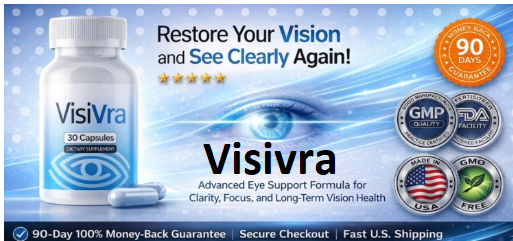
Introduction: Is Visivra Worth Your Time and Money?
Screens now fill most of your day. You read emails on a phone, scroll through spreadsheets on a laptop, and then watch television before bed. Over time, many people notice dry, tired or strained eyes. That experience pushes a lot of readers to search for an eye health supplement, and Visivra is one name that keeps appearing in those searches.
So, does Visivra work? The honest answer is that the ingredients have real research behind them, but the finished product has not been tested in its own clinical trials as far as I could find. That gap matters. In this review, you will learn what Visivra contains, what each ingredient does in the body, what the evidence shows, how much the product costs, and who should think twice before taking it.
Think of this article as a practical guide. Instead of selling you on a bottle, it helps you decide whether this supplement fits your needs and your health situation.
What Is Visivra?
Visivra is a dietary supplement sold as a daily eye health capsule. The official product page describes it as a once-a-day formula meant to support visual clarity, eye comfort and long-term retinal wellness. Each bottle reportedly contains 30 capsules, which equals about one month of use.
Because it is a supplement, Visivra is not a medicine. It cannot treat, cure or prevent eye disease. The United States Food and Drug Administration does not approve dietary supplements for disease treatment before they reach shelves, so any claim to fix a medical condition should raise a red flag. Visivra positions itself as support for healthy eyes, which is a much more modest promise.
One point deserves attention early. The official listing names six ingredients but does not publish how much of each one the capsule contains. Without amounts, you cannot compare Visivra with a clinically tested dose or check whether it matches the levels used in research. Keep that gap in mind as you read the rest of this review.
The Six Ingredients Inside Visivra
The formula combines lutein, zeaxanthin, bilberry extract, astaxanthin, zinc and vitamin A. Some of these nutrients have decades of study behind them, while others have a thinner evidence base. Here is a closer look at each one.
Lutein and Zeaxanthin: The Macular Pair
Lutein and zeaxanthin are carotenoids, which are plant pigments found in leafy greens such as spinach and kale, along with corn and egg yolks. Your body does not make them, so you must get them from food or supplements.
These two nutrients concentrate in the macula, the small central area of the retina responsible for sharp, detailed vision. Scientists call the yellow pigment they form macular pigment. Researchers believe this pigment helps filter some high-energy blue light and may help protect retinal cells from oxidative stress. The National Eye Institute supported the Age-Related Eye Disease Study 2, known as AREDS2, which tested lutein and zeaxanthin as a replacement for beta-carotene in an eye vitamin formula. Lutein and zeaxanthin are therefore among the best-studied eye nutrients available.
Even so, the research does not prove that a daily capsule of these two nutrients will improve everyday vision in healthy adults. Their strongest evidence comes from studies on people with age-related macular changes and from diet-based research. Lutein and zeaxanthin are a sensible part of an eye-friendly routine, but they are not a guaranteed fix.
Bilberry Extract: The Berry With an Old Reputation
Bilberry is a dark blue berry related to blueberries. Its extract contains anthocyanins, which are antioxidant compounds. For decades, people have used bilberry for vision, and some older studies suggested it could improve night vision or reduce eye fatigue. However, many of those studies were small or poorly designed, and newer, rigorous research has been mixed. Bilberry may offer antioxidant benefits, but its role in healthy eye function remains uncertain.
Astaxanthin: The Reddish Antioxidant
Astaxanthin is a red pigment made by microalgae and found in salmon and shrimp. It is one of the most powerful antioxidants in the carotenoid family. A few small human studies have explored whether astaxanthin can ease eye fatigue during extended close-up work. Results have been encouraging in some cases, though the studies are limited in size and length. Think of astaxanthin as a promising candidate that still needs larger trials.
Zinc: A Mineral the Eye Relies On
Zinc is a mineral found in high concentrations in the retina and the eye’s surrounding tissues. It helps enzymes that process vitamin A, which is important for the light-sensing cells of the retina. Zinc deficiency can affect night vision, and the AREDS studies included zinc in their high-dose formulas for people with advanced age-related macular degeneration. However, high doses of zinc can cause stomach upset and copper deficiency over time, so more is not always better.
Vitamin A: Essential for Low-Light Vision
Vitamin A forms retinal, a molecule your eyes need to detect light. Without enough vitamin A, people may develop night blindness, which is a serious and well-documented problem in parts of the world with limited nutrition. In the United States, most adults get enough vitamin A through food, so the question is not whether you need it but how much you should take. Vitamin A is fat-soluble, which means your body stores it. Taking too much can cause toxicity, and high intake during pregnancy can harm a developing baby.
How Visivra Is Meant to Work
According to the brand, the six ingredients work together as a system. The carotenoids are said to filter light and protect retinal tissue, the antioxidants are meant to neutralize free radicals, and the minerals and vitamin A support the normal function of light-sensing cells. The idea is that this combined approach supports the eyes from several angles at once.
That logic sounds reasonable on paper. Your eyes do depend on antioxidants, carotenoids, zinc and vitamin A. However, the brand’s marketing often goes further than the science. Some promotional pages claim that the formula restores clarity, reverses fatigue or improves eyesight within weeks. Those statements are not supported by the clinical evidence for this product. Real eye health develops over months of good habits, not overnight. Visivra may fit into that routine, but it should not replace good habits.
What the Research Says About Visivra
The most accurate way to judge Visivra is to separate ingredient research from product research. Ingredient research asks whether each nutrient has a biological role in eye health. Product research asks whether the finished capsule, at its actual dose, has been tested in people and shown to help.
On the ingredient side, the picture is fairly strong for lutein and zeaxanthin, moderately supportive for zinc and vitamin A in the context of macular health, and still preliminary for astaxanthin and bilberry. On the product side, I did not find published clinical trials testing Visivra as a finished formula. Because the company does not disclose doses, even a well-designed study on lutein would not tell you whether this specific capsule delivers a comparable amount.
This distinction does not make Visivra a bad product. It simply means you are buying a combination of promising nutrients whose combined effect is unproven. Many dietary supplements work this way. Still, a careful buyer should understand that the evidence is indirect.
Benefits Visivra Claims and What They Mean
The brand highlights several benefits, and it helps to translate each claim into plain language.
Support for visual clarity. Lutein and zeaxanthin contribute to macular pigment, which supports sharp central vision. This claim has a reasonable basis, although the capsule’s specific effect on everyday clarity is not proven.
Relief from digital eye strain. Screen use can cause tired eyes, dryness and blurred focus. Some people report relief from eye supplements, but the causes of digital eye strain include blinking less often, poor lighting and long viewing distances. Supplements cannot solve those habit-based causes. Following the 20-20-20 rule, which means looking at something 20 feet away for 20 seconds every 20 minutes, can help more than any capsule.
Antioxidant protection. Bilberry and astaxanthin are antioxidants, and antioxidants can help reduce oxidative stress in tissues. Whether this translates into meaningful long-term protection for the eyes in healthy adults remains an open question.
Long-term retinal wellness. This phrase sounds impressive, but it is vague. Retinal health depends heavily on genetics, age, blood pressure, blood sugar, smoking status and diet. A supplement can contribute to a healthy diet, yet it cannot control most of these factors on its own.
Pricing, Guarantee and Where to Buy
Pricing for Visivra varies by promotion and bundle size. One source I reviewed reported a range of roughly $49 to $79 per bottle, along with a 60-day money-back guarantee. Other sites listed different figures, so treat any single number with caution. Always check the current price on the official product page before you commit.
Buying directly from the official site usually offers the most reliable refund process. Many supplement sellers, especially those with similar-sounding domain names, use aggressive ads and subscription terms that make cancellation difficult. Before you enter payment details, read the refund policy, confirm whether you are signing up for a recurring shipment, and look for a clear customer service phone number or email address.
Because supplement prices change often, the best advice is simple. Compare the cost per capsule, check whether a bundle really saves money, and make sure the refund window is long enough to judge the product. A 60-day window gives you enough time to see whether you notice any difference, although a supplement’s effects can take several months to appear.
Possible Side Effects and Safety Concerns
Most healthy adults tolerate the nutrients in Visivra well when they take them at typical doses. However, the absence of published doses makes it impossible to judge the risk of any single ingredient in this exact formula. Here are the main safety points to consider.
Zinc and copper balance. Long-term zinc intake above recommended levels can lower copper levels and may affect immune function. People who already take a multivitamin with zinc should count their total intake.
Vitamin A and pregnancy. Excess preformed vitamin A can harm a developing baby. Pregnant women and those who might become pregnant should avoid high-dose vitamin A supplements unless a doctor recommends them.
Bilberry and blood thinners. Bilberry extract may have mild blood-thinning effects. If you take warfarin, aspirin, clopidogrel or other anticoagulant or antiplatelet medicines, talk with your doctor before using Visivra. Bilberry can also affect blood sugar in some people, so diabetics should be especially careful.
Smokers and beta-carotene. This product does not list beta-carotene, which is good news for smokers. Large studies found that beta-carotene supplements increased lung cancer risk in heavy smokers. If you smoke, ask a doctor whether any carotenoid supplement fits your situation.
Allergies. Astaxanthin is often derived from microalgae or shellfish. People with shellfish allergies should read the label carefully to confirm the source.
If you notice stomach pain, nausea, headaches, skin rash or any unusual symptom after starting Visivra, stop taking it and speak with a healthcare professional. Sudden vision changes such as flashes, floaters, shadows or loss of vision need urgent medical attention, regardless of whether you take supplements.
Who Should Think Twice Before Taking Visivra
Some readers will benefit from a supplement like this, while others should spend their money elsewhere or see a doctor first. Visivra may be a reasonable option for healthy adults who eat a limited amount of leafy greens and want extra carotenoid support. It may also suit people who spend long hours on screens and have already tried basic habit changes.
On the other hand, you should talk with your doctor before starting if you are pregnant or breastfeeding, take blood thinners, have a bleeding disorder, manage diabetes, have a history of kidney problems, or already take a multivitamin with high levels of vitamin A or zinc. People with diagnosed eye conditions such as glaucoma, cataracts or age-related macular degeneration should also seek care from an eye specialist, because a supplement cannot replace treatment prescribed for these conditions.
If you have never had a comprehensive eye exam, schedule one before buying any supplement. An exam can detect problems that a capsule cannot address, and it gives you a baseline to compare against in the future.
Visivra Pros and Cons
Every product has strengths and weaknesses, and Visivra is no exception. Weighing both sides helps you decide with a clear mind.
Pros
Visivra contains lutein and zeaxanthin, two carotenoids with strong research support for macular health. The capsule is convenient, requiring only one daily dose. The ingredient list is easy to read and avoids obvious fillers in the marketing copy. The brand offers a refund window, which lowers the financial risk of trying the product.
Cons
The company does not publish doses, which makes it hard to judge whether the product matches research amounts. No independent clinical trial of the finished formula appears in the sources I reviewed. Many promotional websites make exaggerated claims, and several use confusingly similar domain names. Prices vary across sellers, and subscription terms can be hard to cancel. The product also cannot replace a healthy diet, regular eye exams or screen breaks.
How Visivra Compares With Other Eye Supplements
Many eye supplements use similar ingredients, so Visivra is not unique in its basic formula. The most research-backed option in this category is a formula that closely follows the AREDS2 design, which includes lutein, zeaxanthin, zinc, vitamin C and vitamin E, and was tested in large trials for people with intermediate or advanced age-related macular degeneration. Those formulas are well documented, but they are intended for specific patients and are not automatically suitable for healthy adults.
Visivra sits in the broader category of eye vitamins for general support. Its main advantage is its inclusion of astaxanthin and bilberry, which some buyers want for screen-related fatigue. Its main drawback is the lack of published dosing. When you compare products, look for three things: a clear list of ingredients with amounts, third-party testing for purity and potency, and a transparent refund policy. If a product fails any of those tests, you have a good reason to keep looking.
Smart Tips for Protecting Your Eyes
A supplement works best as one part of a broader plan. Start with habits that cost little and deliver real results. Follow the 20-20-20 rule during long screen sessions. Adjust your monitor so the top of the screen sits slightly below eye level, and keep it about an arm’s length away. Use good lighting when you read or work, and avoid glare from windows. Blink more often, because screen work tends to reduce blinking and cause dryness.
Your diet also matters. Leafy greens such as spinach, kale and collard greens provide lutein and zeaxanthin in a form your body already knows how to use. Eggs, corn, orange peppers and fish also contribute helpful nutrients. Oily fish supplies omega-3 fats, which support overall eye health. Wearing sunglasses that block ultraviolet light protects your eyes outdoors.
Finally, get regular eye exams. Many serious eye conditions develop quietly, and early detection makes treatment far more effective. A supplement may complement these steps, but it should never replace them.
Conclusion: Should You Try Visivra?
Visivra combines six nutrients that play real roles in eye health. Lutein, zeaxanthin, zinc and vitamin A have solid scientific backing, while bilberry and astaxanthin remain promising but less certain. The product’s biggest weakness is the lack of published doses and clinical testing for the finished formula. That gap means you cannot confirm whether Visivra delivers meaningful benefits beyond what a balanced diet already provides.
If you are a healthy adult who wants extra carotenoid support, has no conflicting health issues, and understands that results are uncertain, Visivra may be worth trying with a refund policy as your safety net. Before you buy, check with your doctor, confirm the current price and read the refund terms carefully. If you are pregnant, take blood thinners or have an existing eye condition, speak with a healthcare professional first.
Above all, remember that good vision depends on habits you practice every day. Take regular breaks from screens, eat colorful vegetables, protect your eyes from sunlight, and schedule routine eye exams. Used alongside those habits, a supplement like Visivra may play a modest supporting role. Used in place of them, it will not deliver the results you hope for.
Frequently Asked Questions About Visivra
What is Visivra used for?
Visivra is a dietary supplement marketed to support visual clarity, eye comfort and long-term retinal health. It is not a medicine and cannot treat or cure eye disease.
Does Visivra really work?
The individual ingredients have research behind them, especially lutein and zeaxanthin. However, I did not find clinical trials testing the finished Visivra formula, and the company does not publish doses. Results may vary, and the product’s effects remain unproven.
What are the main ingredients in Visivra?
The formula lists lutein, zeaxanthin, bilberry extract, astaxanthin, zinc and vitamin A. Each one plays a different role in antioxidant protection, macular pigment or light-sensing function.
Are there side effects from Visivra?
Most healthy adults tolerate the ingredients well at typical doses. Possible concerns include stomach upset from zinc, interactions with blood thinners from bilberry, and risks from excess vitamin A during pregnancy. Stop taking the product and contact a doctor if you notice unusual symptoms.
How much Visivra should I take?
The official listing directs you to take one capsule daily, but it does not publish the amount of each ingredient or the serving size details beyond the bottle label. Read the Supplement Facts panel on your bottle and follow the directions printed there. Ask your doctor or pharmacist if you have questions about safe intake.
Is Visivra safe for everyone?
No supplement is safe for everyone. Pregnant or breastfeeding women, people taking anticoagulant medicines, people with diabetes or kidney problems, and smokers should consult a healthcare professional before starting. Anyone with a diagnosed eye condition should see an eye specialist.
Is there a money-back guarantee?
Sources I reviewed reported a 60-day guarantee, but terms can change. Check the refund policy on the official site before you buy and confirm how to cancel any subscription.
Can Visivra replace an eye exam or prescription glasses?
No. Supplements cannot correct refractive errors such as nearsightedness or astigmatism, and they cannot replace regular eye exams. Keep scheduling routine visits with your eye doctor.
