

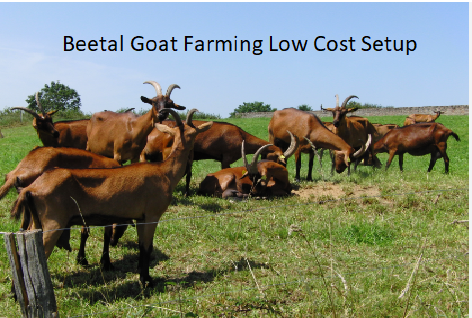
Starting a beetal goat farming low cost setup requires careful planning to balance initial capital with long-term productivity. Beetal goats are highly valued for their milk production and fast growth rates, making them a top choice for farmers looking to maximize returns.
By focusing on repurposed materials, efficient space management, and natural grazing, you can establish a profitable operation without the burden of heavy debt. This approach ensures your business remains resilient even during market fluctuations, allowing you to scale up as your herd grows and your experience deepens.
Financial Breakdown for Small-Scale Operations
The core of a beetal goat farming low cost setup lies in minimizing fixed assets while maximizing animal health. You should aim to keep your initial investment under $1,500 to $2,500 for a starter herd of 10 to 15 animals, excluding land costs.
The largest expense will always be the purchase of high-quality breeding stock. Do not compromise on the genetics of your buck, as he represents half the potential of your future herd.
Construction costs can be slashed by using locally available materials such as bamboo, reclaimed timber, or corrugated iron sheets. A simple, raised-platform shed is essential to protect goats from dampness and parasites, which are the primary drivers of veterinary costs. If you build it yourself, labor costs drop to zero, leaving only the price of nails, wire, and timber.
| Category | Budget Strategy | Estimated Cost (USD) |
|---|---|---|
| Breeding Stock (10 Does, 1 Buck) | Purchase from local, reputable breeders | $1,200 – $2,000 |
| Shed Construction | Repurposed wood/bamboo, DIY build | $200 – $400 |
| Vaccination/Health Kit | Bulk purchase of basic supplies | $50 – $100 |
| Initial Feed Reserve | Seasonal harvesting and storage | $100 – $200 |
Designing Efficient Low-Budget Shelters
A functional shelter for Beetal goats does not need to be elaborate; it just needs to be dry, ventilated, and predator-proof. The most effective design is a raised floor structure, which elevates the goats about 2 to 3 feet off the ground. This elevation allows waste to fall through the slats, keeping the living area clean and drastically reducing the risk of hoof rot and respiratory infections.
Use slatted bamboo or wooden planks for the flooring to ensure proper drainage. Ensure the walls are high enough to provide shelter from wind and rain but open enough to allow consistent airflow. A roof made of thatch or recycled metal sheets provides sufficient protection against the elements at a fraction of the cost of modern steel structures.
Strategic Forage and Feed Management
Feed accounts for nearly 60% to 70% of total operating expenses in any livestock enterprise. To keep your setup low-cost, you must prioritize free-range grazing or cut-and-carry systems over expensive commercial concentrates. Beetal goats are excellent browsers, meaning they thrive on shrubs, leaves, and weeds that other animals might ignore.
Consider planting high-protein fodder crops like Napier grass, Lucerne, or Sesbania on the edges of your property. These crops provide a sustainable, near-zero-cost food source throughout the year. You can also form a partnership with local vegetable markets to collect discarded greens, which adds variety to the goats’ diet without adding to your grocery bill.
Health and Preventative Care Protocols
Veterinary bills can quickly destroy the profitability of a small farm if you are not proactive. The best way to manage costs is to avoid illness through strict sanitation and regular vaccination schedules. Keep a small, well-stocked medical kit that includes basic supplies like antiseptic, dewormers, and oral rehydration salts.
Always quarantine new animals for at least 14 to 21 days before introducing them to the main herd. This simple step prevents the spread of contagious diseases that could otherwise decimate your entire investment. Consult with a local government veterinarian or visit the FAO Animal Production and Health Division for region-specific vaccination calendars and best practices.
Essential Equipment and Tools
You do not need sophisticated machinery to run a successful goat farm. Start with the basics: a sturdy wheelbarrow, a shovel, a rake, and a few durable feeding troughs. You can easily fashion troughs out of old PVC pipes or split timber to save money.
Identification is crucial for tracking the performance of individual animals. Instead of buying expensive electronic tags, use simple plastic ear tags or even ear notches, which are inexpensive and permanent. Keep a handwritten logbook to record breeding dates, kidding events, and weight gain, as this data is free and essential for improving your breeding outcomes over time.
Managing Herd Growth and Selection
The goal of a sustainable operation is to eventually become self-sufficient by keeping your best female offspring for herd expansion. By selecting the healthiest, fastest-growing kids, you improve the overall quality of your herd without spending money on outside stock. Aim for a culling rate of 10% to 15% annually to remove unproductive goats that consume feed without providing a return.
Keep a balance between meat production and milk yield. Beetal goats are dual-purpose, meaning you have two streams of income to support the farm. If you find one line of your goats is superior in milk yield, focus your breeding program there to increase your dairy revenue.
Marketing and Revenue Diversification
Income from your farm will primarily come from the sale of live goats for meat, milk, and manure. Selling directly to local butchers or individual households often fetches a higher price than selling to middlemen at the market. Be aggressive in building relationships with local restaurants or dairy processors in your area.
Don’t overlook the value of goat manure, which is a highly sought-after organic fertilizer. By collecting and composting the waste from your raised-floor shed, you create a secondary product that can be sold to local farmers or used to improve your own forage plots. This adds a small but steady cash flow that helps cover minor operational costs.
Common Mistakes to Avoid
Many beginners fail because they overbuild their infrastructure before they have enough animals to justify the cost. Start small and grow as your profits allow, rather than taking on debt to build a massive barn you do not yet need. Avoid the temptation to buy exotic breeds that may not be adapted to your local climate and feed resources.
Another frequent error is neglecting the buck’s health and nutrition. A buck in poor condition will result in fewer successful pregnancies and lower kidding rates, which directly impacts your bottom line. Always prioritize the health of your breeding males to ensure the biological engine of your business is running at peak performance.
Frequently Asked Questions
How many goats can I start with on a small budget?
You should ideally start with a small group of 3 to 5 does and 1 buck. This size is manageable for a beginner, allows you to learn the nuances of goat husbandry, and keeps your initial feed and infrastructure costs low while you gain experience.
What are the most common health issues for Beetal goats?
The most frequent issues are internal parasites, pneumonia, and hoof rot. These are almost always preventable with proper sanitation, a raised-floor shed design, and a consistent deworming schedule recommended by a local veterinarian.
How do I know if a goat is healthy before I buy it?
Look for a bright, alert temperament, clear eyes, and a shiny coat. Check for any signs of discharge from the nose or mouth, ensure the animal is not limping, and ask to see records of their vaccination history if available.
Is it possible to make a profit in the first year?
Profitability in the first year depends on your ability to source inexpensive feed and keep mortality rates low. While you might break even or see a small profit, most farmers find that the real financial growth begins in the second year as the herd size increases through natural reproduction.
How do I keep my goats safe from predators?
A simple fence made of woven wire or even thick, thorny brush can be highly effective. If predators are a major concern in your area, consider getting a livestock guardian dog or ensuring the goats are locked securely in their raised shed every night.
Conclusion
Building a successful operation relies on discipline and the ability to work with what you have. A beetal goat farming low cost setup is not about cutting corners on animal welfare, but rather about being smart with your resources and avoiding unnecessary overhead. By prioritizing natural grazing, simple housing designs, and proactive health management, you can create a sustainable livelihood that grows alongside your herd.
Focus on the basics, keep your records clear, and remain patient as you build your foundation. With consistent effort and a focus on long-term efficiency, your farm will become a reliable source of income and agricultural stability.
