

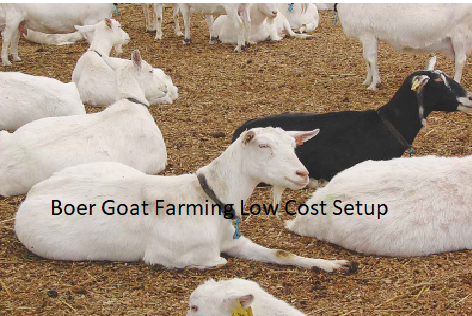
Executing a boer goat farming low cost setup requires a shift in perspective away from expensive infrastructure toward biological efficiency. By focusing on the inherent hardiness of the Boer breed, producers can achieve profitability without heavy capital expenditure on high-end facilities. This approach relies on rotational grazing, natural shelter, and a disciplined approach to herd health.
You will gain a clear understanding of how to manage your overheads while scaling your meat production effectively. This guide outlines the specific steps needed to minimize your initial investment while maximizing your long-term returns in the livestock market.
Financial Realities of Low Cost Boer Goat Farming
A lean start in the Boer goat industry is entirely achievable if you prioritize land management over building construction. Most beginners overspend on elaborate barns that goats rarely use. You can successfully launch a herd with an initial investment ranging from $2,500 to $5,000 for a small starter group, excluding land costs.
This figure covers the purchase of three to five quality does, one buck, basic fencing, and initial feed supplies. Your primary expense should always be the genetic quality of your breeding stock rather than the architecture of your enclosures.
The financial viability of this model depends on your ability to keep feed costs low through managed pasture rotation. When you avoid the reliance on commercial grain mixes and instead utilize high-quality forage, your profit margins widen significantly. You should aim to keep your variable costs below 40% of your total gross income to ensure sustainability.
Tracking every dollar spent on veterinary supplies, minerals, and supplemental hay is the only way to maintain a true low-cost setup. Without diligent bookkeeping, the small, “hidden” costs of medicine and transport will quickly erode your potential profit.
Selecting Infrastructure and Shelter
Boer goats are resilient animals that do not require climate-controlled housing to thrive. A simple three-sided shed that protects them from prevailing winds and rain is sufficient for most climates. You can repurpose existing structures like old machine sheds or even sturdy shipping containers with minimal modifications.
Ensure the shelter provides at least 10 to 12 square feet per goat to prevent overcrowding and stress. Proper ventilation is far more important than insulation, as damp, stagnant air is the leading cause of respiratory issues in goats.
The floor of your shelter should be kept dry using natural materials like wood chips or straw. You do not need concrete flooring, which is expensive and often holds too much moisture. A simple dirt floor that is slightly elevated to ensure drainage works perfectly well.
You can find more detailed information on livestock facility management through the Purdue University Extension resources. By building with salvaged materials like pallet wood or corrugated metal, you can keep your shelter costs to a few hundred dollars instead of thousands.
Fencing Strategies for Budget Operations
Fencing is often the largest single expense in a new farm setup, but you can manage it with smart planning. High-tensile electric fencing is the industry standard for a boer goat farming low cost setup because it is effective and relatively inexpensive to install. A five-strand electric system provides a strong psychological barrier that keeps goats in and predators out.
You must ensure the bottom wire is close enough to the ground to prevent kids from squeezing under. Proper grounding of your energizer is the most critical factor in the success of an electric fence system.
If you choose to use woven wire, you will face higher upfront costs but lower maintenance over time. For a budget operation, consider using woven wire only for perimeter boundaries and electric fencing for internal cross-fencing. This hybrid approach saves money while allowing you to implement intensive rotational grazing.
Always walk your fence line weekly to check for shorts or sagging wires. An unmaintained fence is an invitation for your goats to wander, leading to lost animals and neighborhood friction.
Pasture Management and Rotational Grazing
The core of a low-cost operation is the grass beneath the goats’ hooves. You must move your goats frequently to prevent overgrazing and to break the parasite life cycle. A good rule of thumb is to move your herd to a fresh paddock every three to seven days depending on forage growth.
This practice allows the previously grazed area to rest and regenerate, which naturally increases your total carrying capacity. You will find that healthy, well-managed pastures reduce the need for expensive chemical dewormers.
You should aim to keep your stocking density appropriate for your specific region’s rainfall and soil quality. In many areas, you can sustain six to eight goats per acre with intensive rotational grazing. If you notice the goats stripping the bark off trees or eating weeds down to the dirt, they have stayed in one spot for too long.
Always provide clean water in every paddock to ensure the goats spend their energy eating rather than searching for a drink. Investing in a portable water system will save you hours of labor and keep your herd healthier.
Herd Health and Disease Prevention
Preventative health care is significantly cheaper than treating a sick animal. You should focus on maintaining a high level of mineral nutrition, specifically copper and selenium, which are vital for Boer goats. A free-choice loose mineral supplement designed specifically for goats is a non-negotiable expense.
You must monitor your herd daily for signs of illness, such as lethargy, coughing, or abnormal manure. Early detection is the key to keeping your veterinary bills near zero.
Vaccination schedules should be discussed with a local large-animal veterinarian during your first year. A standard protocol usually includes protection against Clostridium perfringens types C and D, as well as tetanus. You can perform many routine tasks yourself, such as hoof trimming and administering vaccines, to save on labor costs.
Keep a dedicated logbook for every animal, noting their birth date, treatment history, and growth performance. This data is essential for making culling decisions, which is how you refine your herd’s genetics over time.
Marketing Your Boer Goats
Profitability in this sector comes from knowing your target market before you ever buy your first doe. You can sell your goats through three primary channels: private treaty sales to other breeders, local auction barns, or directly to consumers for meat. Private sales generally offer the highest price for animals with superior genetics or show potential.
Meat sales, however, provide a consistent cash flow if you target specific cultural or holiday markets. Understanding the peak demand times for goat meat in your region is a major competitive advantage.
| Sales Channel | Expected Price Range | Primary Buyer |
| :— | :— | :— |
| Private Treaty | High | Breeders / 4-H Kids |
| Local Auction | Moderate | Commercial Traders |
| Ethnic Markets | Variable | Direct Consumers |
Building a reputation for healthy, fast-growing animals will ensure you always have repeat customers. You do not need a fancy website; a simple social media page or a sign at the end of your driveway is often enough. Always be transparent about your management practices, as many buyers today value pasture-raised meat.
If you consistently produce a quality product, word-of-mouth will become your most effective marketing tool. Never underestimate the power of networking with other local producers to share market intelligence.
Essential Tools and Equipment
You do not need a massive inventory of machinery to run a successful goat farm. A basic list of tools will cover 90% of your daily operational needs. Focus on items that improve your efficiency and animal handling safety.
A small squeeze chute or a simple head gate is worth the investment once your herd size exceeds 20 animals. It makes vaccinating and hoof trimming a one-person job, which saves significant time and reduces animal stress.
* Hoof trimmers: High-quality, sharp shears are essential for preventing foot rot.
* Electric energizer: A solar-powered unit works well for remote paddocks.
* Mineral feeders: Weather-proof containers prevent waste and protect supplements.
* Vaccine cooler: Keeping medications at the right temperature is vital for effectiveness.
* Digital scale: Essential for tracking weight gain and determining slaughter readiness.
Investing in a reliable, used truck or trailer is also a common requirement for moving animals to market. If you don’t have the budget for a trailer, you can often hire a local hauler to move your stock.
This is usually more cost-effective than taking on a monthly loan payment for a vehicle you only use occasionally. Keep your tool kit organized and stored in a dry place to ensure your equipment lasts for years.
Frequently Asked Questions
How many Boer goats do I need to be profitable?
Profitability is less about the total number of goats and more about your cost-per-head. A small herd of 10 to 15 does can generate supplemental income, but most full-time operations require 50 to 100 breeding does to cover living expenses. Start small to learn the nuances of the breed before scaling up.
How much does it cost to raise a single Boer goat?
Variable costs such as feed, minerals, and vaccinations typically range from $60 to $120 per year per goat. These costs are significantly lower if you have high-quality, abundant pasture. Your biggest expense will be initial setup and the purchase price of your foundation stock.
How many acres do I need to raise 100 goats?
The amount of land needed depends entirely on your forage quality and climate. In fertile regions with good rainfall, 10 to 15 acres might support 100 goats with intensive management. In arid regions, you might need 50 to 100 acres to provide the same level of nutrition.
What is the biggest mistake new Boer goat farmers make?
The most common error is buying “cheap” goats that have poor genetics or underlying health issues. Investing in healthy, well-bred stock from a reputable breeder is the most important decision you will make. It is better to start with two high-quality does than ten poor-quality ones.
How do I identify a healthy Boer goat for purchase?
Look for a bright, alert expression and a solid, muscular frame. Check their eyes for signs of anemia, their feet for any heat or swelling, and their coat for a healthy shine. Always ask the seller for vaccination records and observe how the animal moves in the pasture.
Closing Thoughts on Sustainable Goat Farming
Achieving success with a boer goat farming low cost setup requires patience, attention to detail, and a focus on biological efficiency. You have the tools to build a productive herd by prioritizing quality genetics and natural forage over expensive infrastructure.
By managing your pastures and health protocols carefully, you minimize the risks that typically plague new farmers. Every dollar saved on unnecessary equipment is a dollar that contributes to your farm’s long-term stability.
Take the first step by identifying a local mentor or visiting a successful, small-scale producer in your area. Observe their setup and ask about the challenges they faced during their first few years. You do not need to reinvent the wheel, but you must be willing to adapt your management to the realities of your specific land.
Start with a small, manageable herd and grow your operation only as your experience and cash flow allow. Your journey into livestock production can be both rewarding and financially sound with this disciplined approach.
