

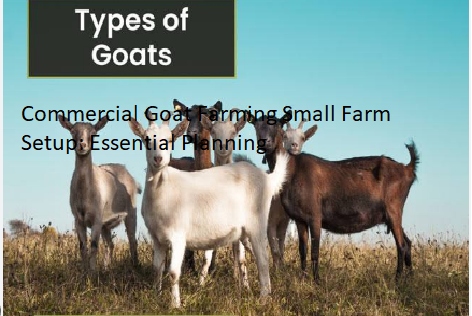
Establishing a successful commercial goat farming small farm setup requires a precise balance between animal husbandry, financial management, and infrastructure planning. Beginners often underestimate the capital intensity of the initial phase, but with a clear operational strategy, profitability is achievable on as little as two to five acres.
Success hinges on selecting the right breed for your specific market, whether that is meat production, milk products, or fiber harvesting. This article provides the technical foundation for launching and maintaining a viable operation.
Profitability and Initial Expectations
A small-scale goat operation can generate a healthy return on investment if managed as a commercial enterprise rather than a hobby. Most profitable small setups focus on high-value niche markets, such as artisanal cheese production or direct-to-consumer meat sales. You should anticipate a break-even point occurring between the second and third year of full production. Profit margins are significantly higher when you control the processing or packaging of your products, effectively capturing the retail markup instead of selling raw commodities.
Land Requirements and Carrying Capacity
Land management is the most critical constraint in a commercial goat farming small farm setup. A common rule of thumb is that you can support 6 to 8 adult goats per acre depending on the quality of your pasture and your commitment to supplemental feeding. If you rely solely on grazing, your carrying capacity drops significantly, often requiring up to half an acre per goat to prevent overgrazing and parasite buildup. Intensive rotational grazing allows you to maximize forage utilization by moving the herd between small paddocks every few days.
You must dedicate space not just for the animals, but for essential infrastructure like milking parlors, kidding pens, and feed storage. A well-designed site plan allocates roughly 15 to 20 square feet of dry, covered housing per goat to ensure proper ventilation and health.
If your land is sloped, ensure the primary structures are located on the highest, driest ground to prevent foot rot and respiratory issues caused by moisture accumulation. Proper drainage systems, such as gravel-lined trenches around barns, are non-negotiable for long-term herd health.
Essential Infrastructure and Housing
The physical setup of your farm determines how much labor you spend on daily chores. A functional barn should feature modular pens that can be adjusted for kidding, weaning, or isolating sick animals. You need a dedicated area for equipment storage, including hay feeders, water troughs, and hoof trimming tools. Installing a central water line with frost-free hydrants will save hundreds of hours of manual labor over the lifetime of the farm.
Fencing is the single largest investment in a new goat farm and should never be compromised. Use high-tensile woven wire fencing that is at least 48 inches high to prevent escapes and deter predators.
Goats are notorious for testing fence lines, so adding an electrified top wire or bottom offset wire is a common industry standard. Secure the bottom of the fence flush to the ground, as goats will crawl under any gap wider than a few inches.
| Infrastructure Item | Estimated Cost Range | Primary Function |
|---|---|---|
| Woven Wire Fencing | $3.00 – $5.00 per foot | Security and predator control |
| Barn/Shelter | $15 – $30 per sq ft | Protection from elements |
| Milking Stand | $200 – $600 | Sanitary milk collection |
| Water System | $500 – $1,500 | Automated hydration |
Breed Selection for Market Viability
Selecting the right breed is determined by your primary revenue stream. If your goal is meat production, breeds like the Boer or Kiko are the industry standards due to their rapid weight gain and muscle development. For dairy operations, the Nubian, Alpine, and LaMancha breeds offer the best balance of milk volume and butterfat content. Always purchase foundation stock from breeders who can provide health records and performance data, as buying cheap, unverified stock often leads to high veterinary bills.
Avoid the temptation to start with a mixed herd of various breeds, as this complicates your breeding program and makes it difficult to achieve consistent product quality. Focus on a single breed to simplify your management practices, especially regarding dietary needs and kidding cycles.
You can find detailed breed performance standards through the University of Arkansas Extension, which offers comprehensive livestock management resources. A uniform herd is also more attractive to commercial buyers who look for consistency in size and health.
Herd Health and Preventative Care
A commercial goat farming small farm setup is only as profitable as its herd is healthy. Parasite control is the most frequent challenge for goat farmers, particularly in humid climates where barber pole worms thrive. Implementing a FAMACHA scoring system—which involves checking the color of the goat’s inner eyelid—allows you to identify and treat only the animals that truly need dewormer. Over-reliance on chemical dewormers has led to widespread resistance, making management practices like rotational grazing your best defense.
Maintain a strict vaccination schedule for common diseases like Clostridium perfringens Types C and D, and Tetanus. Consult with a large-animal veterinarian to develop a protocol specific to your region, as soil composition and local wildlife can introduce unique pathogens.
Keep a detailed medical log for every animal, noting birth dates, vaccination dates, and any health interventions. This documentation is essential for maintaining breed certification and maximizing the resale value of your offspring.
Nutritional Management and Forage
Goats are browsers, not grazers, meaning they prefer shrubs, woody plants, and weeds over lush grass. A balanced diet should consist of high-quality hay, access to browse, and a mineral supplement formulated specifically for goats. Copper is a vital nutrient for goats, yet it is toxic to sheep; if you are running a mixed farm, you must manage mineral access carefully. Always ensure that clean, fresh water is available, as goats will refuse to drink stagnant or dirty water, which leads to decreased milk production and weight loss.
Winter feeding represents a significant portion of your operating costs. Calculate your hay needs early in the season to avoid paying premium prices during shortages.
A standard-sized doe will consume approximately 3 to 4 pounds of dry matter per day, so plan your storage capacity accordingly. If you rely on purchased feed, establish a relationship with a local supplier to secure consistent quality and bulk pricing.
Financial Planning and Revenue Streams
Diversification is the hallmark of a resilient small-scale farm. Do not rely solely on one income source; instead, look to combine several revenue streams to smooth out seasonal cash flow dips. Common income sources include:
- Sale of breeding stock to other smallholders.
- Direct-to-consumer sales of goat meat (chevon).
- Value-added dairy products like artisanal cheeses or yogurt.
- Sale of manure as high-quality, composted fertilizer.
- Hosting farm tours or educational workshops.
Track every dollar spent on feed, vet bills, and infrastructure to calculate your true cost of production. Many new farmers fail because they do not account for the value of their own labor or the depreciation of their equipment. Use simple accounting software to keep your business records clean, which will be vital if you seek agricultural loans or grants.
Marketing and Sales Strategies
In a commercial goat farming small farm setup, your proximity to urban centers can be a major competitive advantage. Farmers’ markets remain the primary point of entry for most small producers, allowing you to build a loyal customer base and test new products. However, digital marketing through social media platforms is increasingly important for reaching niche demographics interested in sustainable, locally sourced food. High-quality photography of your farm and animals can help build transparency and trust with your customers.
Consider the regulatory environment for food sales in your specific state, as dairy and meat processing laws vary significantly. You may need to obtain specific licenses or build a certified processing facility to sell products legally.
Do not ignore the potential for agritourism, as this can generate substantial income without the overhead of processing food products. Whether you sell live animals or finished goods, your brand identity should focus on animal welfare and sustainable practices.
Frequently Asked Questions
Is a small goat farm profitable?
Profitability is achievable if you focus on high-value products like specialty cheese or registered breeding stock. It typically takes two to three years of operation to reach a consistent profit after covering initial infrastructure investments.
How many acres do you need for a small herd?
You can manage a small herd of 10 to 15 goats on as little as two acres if you use intensive rotational grazing. The exact amount of land depends on soil fertility, local rainfall, and your willingness to provide supplemental hay.
What are the biggest expenses in starting a goat farm?
Fencing and shelter construction are almost always the largest upfront costs for new farms. Ongoing expenses are dominated by high-quality hay, supplemental minerals, and veterinary care for preventative health management.
How often should goats be milked?
For commercial dairy production, goats are typically milked twice a day to maximize volume. Some small-scale operations choose once-a-day milking to reduce labor requirements, though this will result in lower overall milk yields.
How do I prevent predators from attacking my goats?
The most effective defense is a combination of sturdy, high-tensile fencing and a livestock guardian animal. Guardian dogs, such as Great Pyrenees or Anatolian Shepherds, are highly effective at deterring coyotes, foxes, and stray dogs.
Conclusion
Building a commercial goat farming small farm setup requires a disciplined approach to both the biology of the herd and the economics of the business. By prioritizing high-quality infrastructure, effective parasite management, and a diversified revenue strategy, you can create a sustainable operation. Focus on mastering the basics of herd health and pasture management before scaling your numbers too quickly. Success is rarely about having the largest herd, but rather about managing your resources efficiently and finding a niche that serves your local market. Start with a solid plan, keep your records precise, and stay adaptable as you learn the specific needs of your animals and your land. With consistent effort, you can transform a small acreage into a productive and profitable agricultural venture.
