

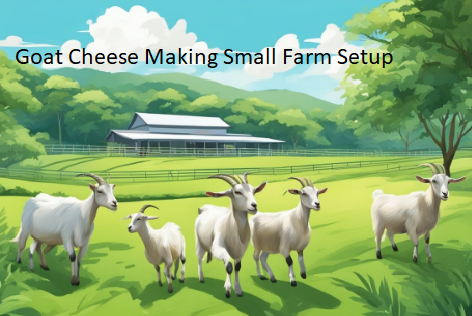
Launching a successful goat cheese making small farm setup requires a precise balance between animal husbandry, food safety regulations, and efficient dairy processing. Aspiring producers often wonder if they can start with just a handful of animals or if they need a large herd to achieve profitability. For a micro-dairy focused on artisanal cheese, you can realistically begin with 6 to 10 milking does to test your market and production capacity.
This scale allows you to manage the daily labor requirements of milking and cheesemaking without needing a full-time staff. By focusing on quality over quantity, small-scale producers often command higher price points at local farmers’ markets and specialty retail outlets.
Initial Herd Selection and Infrastructure
Your choice of goat breed dictates your cheese yield and the overall character of your final product. Alpine and Saanen breeds are renowned for high milk volume, which is ideal if you plan to produce large quantities of fresh chèvre. Conversely, Nubian goats produce milk with a higher butterfat and protein content, resulting in a creamier, richer cheese that often appeals to gourmet consumers.
You should plan for a basic infrastructure that includes a clean, dry barn with adequate ventilation to prevent respiratory issues. A separate, dedicated milking parlor is essential to ensure hygiene standards are met from the start. You will need a concrete floor with proper drainage for easy cleaning, as moisture buildup is the primary enemy of a sanitary milking environment.
The following table illustrates the typical milk production and fat content by common dairy goat breeds, which is vital for your planning:
| Breed | Average Daily Yield | Butterfat Content |
|---|---|---|
| Alpine | 6–10 lbs | 3.0% – 3.5% |
| Nubian | 4–8 lbs | 4.5% – 5.0% |
| Saanen | 8–12 lbs | 2.5% – 3.0% |
| LaMancha | 5–9 lbs | 3.9% – 4.2% |
Regulatory Compliance and Licensing
Navigating the legal requirements for dairy production is the most rigorous part of a goat cheese making small farm setup. Every state and local jurisdiction has different laws regarding the sale of raw versus pasteurized milk products. Most regions require you to operate in a certified food-grade kitchen that has passed inspection by the local Department of Agriculture or Health Department.
You must maintain meticulous records of every batch, including pasteurization logs, milk cooling temperatures, and product testing results. If you plan to sell across state lines, you will need to comply with federal regulations, which are significantly more demanding. Consult your local agricultural extension office early in the process to understand the specific permits required for your facility.
Do not underestimate the cost of facility upgrades, such as stainless steel sinks, non-porous surfaces, and temperature-controlled storage. These items are not optional if you intend to obtain a license to sell your cheese to the public. Failing to meet these standards can result in immediate shutdown and the loss of your entire inventory.
Designing the Creamery Layout
The flow of your workspace is critical for maintaining food safety and reducing your daily labor time. Your creamery should be divided into clean zones and dirty zones to prevent cross-contamination. Ideally, the milk should move directly from the milking parlor to the cooling area, then to the pasteurizer, and finally to the aging room.
Stainless steel is the industry standard for all surfaces because it is non-porous and resistant to chemical sanitizers. You will need a reliable multi-stage filtration system for your water supply to ensure that no pathogens enter the cheesemaking process. Proper lighting and ventilation are also required to ensure you can monitor the coagulation process accurately.
Consider the layout of your aging room, or “cave,” if you plan to make aged cheeses like crottin or tomme. This room must maintain a constant temperature and humidity level, which often requires dedicated cooling and humidification units. Investing in high-quality monitoring equipment, such as digital hygrometers, will save you significant money by preventing spoiled batches.
Essential Cheesemaking Equipment
Investing in the right equipment early prevents the need for costly replacements as your volume grows. You will need a stainless steel vat with a jacketed heating system to ensure uniform temperature control during the cooking process. Accurate thermometers are non-negotiable, as even a two-degree variation can ruin the texture of your curd.
You will also need a variety of molds and draining mats to shape and dry your cheese. For a small operation, manual presses are sufficient, but look for modular systems that allow you to expand your capacity later. Do not cut corners on your cleaning supplies, as food-grade sanitizers are essential for meeting the strict safety standards mentioned in your licensing requirements.
* Stainless steel pasteurizer (low-temperature, long-time method)
* Food-grade curd knives for precise cutting
* Digital scales for measuring cultures and rennet
* Cheese molds in various sizes and shapes
* Draining mats and racks for air circulation
* Refrigerated storage for finished product
Managing Feed and Forage Costs
Feed represents the largest ongoing expense for your farm and directly impacts the flavor profile of your milk. Providing high-quality alfalfa or orchard grass hay is essential, especially during months when pasture is unavailable. You should also supplement with a balanced grain ration during milking to ensure the goats maintain their body condition.
Rotational grazing is a highly effective strategy for small farms to reduce costs and improve soil health. By moving your herd between small paddocks, you maximize the nutritional value of your forage and reduce the parasite load on your animals. This method also helps prevent overgrazing, which can lead to soil erosion and the loss of desirable plant species.
Keep a close eye on your milk-to-feed ratio to ensure your operation remains profitable. If a particular goat consistently requires more feed than her milk yield justifies, she may need to be culled from the herd. You can find more information on best practices for animal nutrition through the United States Department of Agriculture research database.
Marketing and Sales Strategies
Direct-to-consumer sales are typically the most profitable route for a small-scale cheese producer. Farmers’ markets allow you to build a loyal customer base and gather immediate feedback on your different cheese varieties. Offering samples is the best way to convert hesitant buyers into repeat customers who appreciate the artisanal nature of your work.
Specialty food stores and high-end restaurants are excellent secondary markets once you have established a consistent production volume. When approaching these buyers, bring high-quality packaging and a clear story about your farm’s practices and animal welfare standards. Many chefs value the ability to source hyper-local products and may be willing to feature your farm on their menus.
Social media serves as a powerful, low-cost tool for showcasing your farm life and the cheesemaking process. Transparency is a massive selling point for modern consumers who want to know where their food comes from. High-quality photography of your goats and your finished products can create a strong brand identity that justifies premium pricing.
Scaling and Profitability Milestones
Profitability in a goat cheese making small farm setup is rarely achieved in the first year due to initial capital expenditures. You should focus on breaking even by the second or third year by optimizing your yields and diversifying your product line. Adding value-added products like goat milk soap or yogurt can help stabilize your cash flow during the off-season.
Track your costs per pound of cheese rigorously to understand your margins. This includes electricity for your cooling systems, feed, veterinary bills, and packaging materials. If your margins are too thin, consider shifting toward aged cheeses, which have a longer shelf life and often command higher prices than fresh chèvre.
Set quarterly goals for your production volume and your sales reach. If you find that you are consistently selling out of your inventory, you have a clear indicator that it is time to expand your herd or upgrade your processing equipment. Always prioritize the health of your goats during periods of expansion, as stressed animals will invariably produce less milk.
Frequently Asked Questions
Is a small goat farm profitable?
Profitability is achievable but requires a focus on value-added products like artisanal cheese rather than selling raw milk alone. Most small farms find success by targeting high-end local markets where they can bypass middleman fees.
Is there money in making goat cheese?
Yes, there is significant potential for revenue because goat cheese is a premium product. Success depends on your ability to maintain consistent quality and your marketing efforts in local, high-demand areas.
How many acres do I need for 100 goats?
General guidelines suggest one acre per 10 to 15 goats if you are practicing intensive rotational grazing. You will still need to purchase supplemental hay and grain, as pasture alone is rarely enough for high-producing dairy goats.
How many goats are needed to make goat cheese?
You can start with as few as 6 to 10 milking does to establish a micro-dairy. This size is manageable for one or two people while providing enough milk to produce a variety of fresh cheeses for sale.
What is the biggest challenge in starting a goat dairy?
Regulatory compliance is consistently cited as the most difficult barrier for new producers. Meeting the health department’s standards for a licensed processing facility requires significant initial investment and ongoing administrative work.
Conclusion
Building a goat cheese making small farm setup is a demanding but rewarding endeavor that blends agriculture with culinary art. By focusing on high-quality animal care, strict sanitation, and a clear marketing strategy, you can create a sustainable business that serves your local community. Success hinges on your ability to manage the delicate balance between the labor of farming and the precision of food production.
Start small, maintain rigorous records, and always prioritize the health of your herd to ensure long-term viability. As you grow, continue to refine your processes and engage with your customers to build a brand that stands out. If you are ready to begin, start by contacting your local agricultural office to discuss the specific licensing steps required in your area today.
