

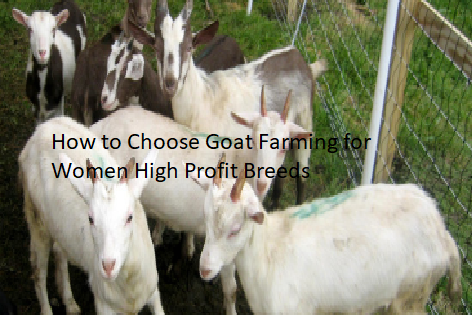
Understanding the nuances of goat farming for women high profit breeds can transform a small-scale agricultural hobby into a sustainable, income-generating venture. Women are increasingly leading the small ruminant sector by focusing on breeds that offer rapid growth rates, excellent milk production, or premium fiber quality. By selecting the right animals from the start, you align your labor with the highest market demand, ensuring that your time and resources yield the best possible financial return.
The most profitable goat breeds currently dominating the market are the Boer for meat production and the Saanen or Alpine for high-volume dairy operations. A Boer goat can reach a market weight of 100 pounds in just six to eight months under optimal management conditions.
Meanwhile, a high-producing Saanen doe can yield up to three gallons of milk per day, providing a consistent, daily revenue stream for local cheese makers or fresh milk consumers. Focusing on these specific breeds allows you to tap into established supply chains rather than struggling to find niche buyers for rare or low-output varieties.
Selecting the Right Breed for Market Success
Choosing between meat and dairy production is the first step in establishing a profitable goat business. Meat-focused operations often require less daily labor, as they do not require the twice-daily milking cycles that define a dairy goat farm. If you are balancing a family or another career, the Boer breed is an excellent choice for a lower-maintenance, high-turnover model.
Dairy goats like Nubians or Alpines require a significant time investment but offer higher profit margins per liter of product. Artisan goat cheese production, for example, can command prices exceeding $20 per pound in high-end markets. You must decide whether your local community prioritizes protein-dense meat or high-quality dairy products before purchasing your foundation stock.
Understanding the Financial Potential
Profitability in this sector is highly dependent on your ability to control feed costs and minimize veterinary expenses. Successful farmers often utilize rotational grazing to reduce the amount of expensive commercial grain needed for their herd. By managing pastures effectively, you can sustain more animals on less land while improving the overall health of your livestock.
Revenue is typically generated through three primary channels: selling meat, selling dairy products, or selling breeding stock. Selling high-quality registered breeding stock often yields the highest profit per individual animal. A registered Boer doe with a strong pedigree can sell for double or triple the price of a commercial-grade animal destined for the meat market.
| Breed Type | Primary Output | Market Advantage | Labor Intensity |
|---|---|---|---|
| Boer | Meat | Rapid weight gain | Low |
| Saanen | Milk | High volume yield | High |
| Nubian | Milk/Cheese | High butterfat | High |
| Kiko | Meat | Disease resistance | Low |
Infrastructure and Herd Management
Your facility design directly impacts your bottom line by influencing animal health and growth rates. A well-ventilated, dry barn prevents respiratory issues that often plague goats in humid climates. You should invest in sturdy fencing, as goats are notorious for testing boundaries and can quickly become a liability if they escape into neighbor properties or gardens.
Proper record-keeping is the backbone of any professional goat farming operation. You must track birth dates, weight gain, feed consumption, and medical treatments for every animal in your herd. These records allow you to identify which does are the most productive and which ones are effectively costing you money by underperforming.
Nutrition and Health Protocols
Goats are browsers, not grazers, meaning they prefer shrubs and weeds over short, manicured grasses. Providing a diverse diet of brush, legumes, and high-quality hay ensures your animals receive the necessary minerals to thrive. You can learn more about proper livestock nutrition through the United States Department of Agriculture agricultural research resources.
Parasite management is a constant challenge for goat farmers, especially in wetter regions. Implementing a FAMACHA scoring system allows you to monitor for internal parasites without relying solely on chemical dewormers. This strategy reduces costs and prevents the development of drug-resistant parasites within your herd, which is essential for long-term viability.
Marketing Your Goat Products
Once you have established a healthy, productive herd, you need a strategy to reach your target customers. Direct-to-consumer sales often provide the best margins because they eliminate the middleman. Farmers markets, social media groups, and local farm-to-table restaurants are excellent venues for selling goat meat or dairy products.
Developing a brand identity can help you stand out in a crowded market. If you are selling goat milk products, emphasize the freshness, the care of your animals, and the specific breed qualities. Customers are often willing to pay a premium for products that have a traceable, local origin and are produced with high ethical standards.
Scaling Your Operation Safely
Growth should be intentional and based on the carrying capacity of your land. Adding too many animals too quickly can lead to overgrazing, which depletes soil nutrients and increases the risk of disease. A common mistake is expanding the herd size before securing reliable feed sources or veterinary support.
Consider starting with a small group of five to ten foundation does. This manageable size allows you to learn the intricacies of kidding, health management, and marketing before investing heavily in larger infrastructure. As you gain experience, you can retain your best female offspring to grow the herd naturally without the risks associated with buying unknown animals from auctions.
Key Milestones for New Farmers
Establishing a business requires hitting specific benchmarks to ensure you are moving in the right direction. Within the first year, your primary focus should be on herd health and establishing a relationship with a large animal veterinarian. By the second year, you should be refining your breeding program to improve the quality of your stock.
* Year One: Focus on infrastructure, fencing, and herd health protocols.
* Year Two: Begin selective breeding and market testing your products.
* Year Three: Optimize your feed strategy and expand your direct-to-consumer sales channels.
* Year Four: Evaluate the feasibility of value-added products like cheese or soap.
Common Risks and How to Mitigate Them
Goat farming is inherently risky due to the unpredictable nature of livestock health and market fluctuations. Predators such as coyotes or stray dogs can destroy a herd in a single night if your fencing is not adequate. Utilizing livestock guardian dogs or donkeys can provide a natural, effective layer of protection against these threats.
Financial risks can be mitigated by diversifying your income streams. Don’t rely solely on meat sales; explore opportunities for selling manure as high-quality compost or offering educational farm tours. A diversified business model is much more resilient to the ups and downs of the agricultural economy.
Frequently Asked Questions
What is the most profitable goat breed for a beginner?
For beginners, Boer goats are often recommended because they are hardy, have a high demand for meat production, and are generally easier to manage than high-output dairy breeds. They allow you to focus on learning the basics of animal husbandry without the daily pressure of a milking schedule.
How much profit can I realistically make from a small herd?
Profit margins vary significantly based on your local market, feed costs, and management efficiency. A well-managed small herd of 10 to 20 goats can provide a supplementary income, but scaling to full-time profitability usually requires a herd size of at least 50 to 100 animals.
Do I need a lot of land to start a profitable goat farm?
Goats are surprisingly space-efficient because they thrive on brush and woody plants that other livestock ignore. You can successfully keep a small herd on just a few acres, provided you use intensive rotational grazing practices to keep the forage productive.
What are the biggest expenses in goat farming?
The primary expenses are typically high-quality hay, supplemental minerals, veterinary care, and initial infrastructure like fencing and housing. Feed costs are the largest variable expense, which is why effective pasture management is crucial for maintaining profitability.
Is it better to sell at auction or directly to customers?
Selling directly to customers or restaurants almost always yields a higher profit margin than selling at a livestock auction. Auctions are convenient for moving large numbers of animals quickly, but they rarely offer the premium prices you can command through direct retail sales.
Refining Your Farming Future
Success with goat farming for women high profit breeds requires a blend of animal husbandry skills and strategic business planning. By focusing on high-demand breeds like the Boer or Saanen and maintaining a disciplined approach to herd health, you build a foundation for long-term growth. Start small, monitor your expenses closely, and always prioritize the well-being of your livestock to ensure a high-quality product.
As you gain experience, you will find that the most rewarding aspect of this work is the ability to create a self-sustaining business that fits your personal lifestyle. Whether you aim for a part-time venture or a full-scale commercial operation, the principles of careful selection and efficient management remain the same. Take the time to research your local market, connect with other producers in your region, and begin your journey into this productive agricultural sector today.
