

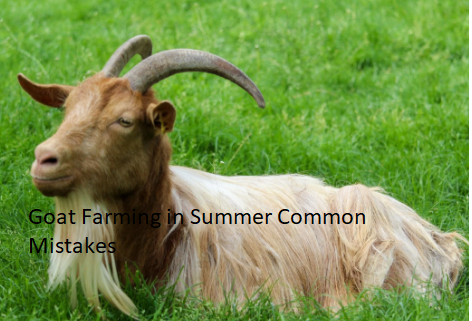
Avoiding goat farming in summer common mistakes is essential for maintaining herd health and productivity when temperatures rise. Many new producers underestimate the physiological stress heat places on small ruminants, leading to preventable losses in milk yield and weight gain. By recognizing how heat affects animal behavior and metabolic needs, farmers can proactively adjust their daily routines.
This article explores the specific errors in ventilation, hydration, and nutrition that often plague operations during the hottest months of the year. You will find actionable strategies to improve your farm’s resilience and ensure your goats thrive despite the challenging weather conditions.
Understanding Heat Thresholds for Goats
The most frequent error in summer management is failing to recognize when goats are actually experiencing heat stress. Goats are generally hardy, but they have a thermoneutral zone that typically sits between 50°F and 80°F. Once the ambient temperature exceeds 85°F, especially in humid climates, their ability to dissipate heat through respiration becomes compromised.
Panting and lethargy are the primary indicators that your goats are struggling to regulate their internal temperature. Producers often mistake these signs for illness, leading to unnecessary veterinary intervention or medication. Instead, focus on providing immediate shade and airflow to lower the animal’s core temperature.
Inadequate Water Access and Quality
A massive oversight in summer goat husbandry is failing to provide sufficient, clean water volume. A lactating doe can consume up to 3 to 5 gallons of water per day during peak summer heat. If the water source is located too far from the grazing area or is stagnant, intake will drop significantly.
Reduced water intake leads to rapid dehydration, which directly inhibits rumen function. When the rumen slows down, the goat cannot process forage efficiently, leading to a drop in body condition. Always ensure that water troughs are scrubbed clean at least twice a week to prevent algae buildup.
Poor Ventilation in Housing Structures
Many farmers make the mistake of leaving goats in barns designed for winter warmth without retrofitting them for summer. Goats require cross-ventilation to remove the ammonia and humidity that build up in confined spaces. Stagnant air creates a breeding ground for respiratory issues and attracts flies.
If your barn has solid walls, consider removing panels or installing large, oscillating fans to move air across the pens. Ensure that the roof insulation is sufficient to reflect solar heat rather than trapping it underneath the rafters. Proper airflow is the most effective way to keep the building temperature close to the ambient outdoor temperature.
Nutritional Mismanagement During Heat Waves
Adjusting the feeding schedule is critical, yet many keepers stick to their standard morning and evening routines regardless of the weather. Feeding high-fiber, heat-producing forage during the hottest part of the day increases the metabolic heat load on the goat. Shift your heavy feeding times to early morning or late evening when the temperature is at its lowest.
Furthermore, ensure that the mineral supplement provided is high-quality and readily available. Goats lose vital electrolytes through sweating and panting, which must be replenished to prevent metabolic imbalances. If you notice a decline in appetite, offer high-energy, easy-to-digest forage like high-quality alfalfa instead of stems or woody brush.
Ignoring Parasite Load in Humid Conditions
Summer heat often coincides with increased moisture levels in pastures, creating the perfect environment for internal parasites. A common mistake is assuming that dry, hot weather will kill off all worm larvae. In reality, the humidity trapped near the soil surface protects parasite eggs, allowing them to thrive.
Monitor your herd using the FAMACHA scoring system to identify animals that are struggling with anemia. Avoid overgrazing your pastures during the summer, as this forces goats to eat closer to the ground where parasite larvae are most concentrated. Keeping goats on higher, drier ground during the peak of the season is a proven strategy for reducing chemical dewormer dependency.
Failure to Provide Proper Shade
Shade is not merely a luxury for goats; it is a fundamental requirement for survival in intense sunlight. Some farmers rely on trees that may not provide consistent shade throughout the day as the sun moves across the sky. If you do not have sufficient natural tree cover, you must construct artificial shade structures.
The shade provided should be at least 10 to 15 square feet per goat to prevent crowding. Overcrowding under a small shade structure can cause goats to fight, leading to physical injuries and increased stress. Ensure the shade roof is high enough to allow heat to dissipate upward rather than radiating back down onto the animals.
Overlooking Fly and Pest Control
Summer brings an explosion in fly populations, which can cause significant distress and spread infections. A common error is failing to maintain a clean environment, as manure piles serve as primary breeding grounds for stable flies and house flies. Keeping the barn floor dry and removing soiled bedding daily will drastically reduce the fly population.
You can also use physical barriers like fly masks for sensitive animals or install sticky traps around the perimeter of the barn. Some producers choose to use natural repellents like garlic in the feed, though scientific evidence on the efficacy of these methods varies. Consistent sanitation remains the most reliable method for controlling pests in a commercial or hobby herd.
Comparison of Summer Management Factors
Effective management requires balancing several variables simultaneously to prevent the negative outcomes mentioned above. The table below illustrates the relationship between common environmental factors and the necessary adjustments for a healthy herd.
| Factor | Summer Risk | Management Action |
|---|---|---|
| Water Intake | Dehydration | Increase trough frequency/volume |
| Pasture Height | Parasite Ingestion | Maintain 4-inch minimum height |
| Feeding Time | Metabolic Heat Load | Move to early morning/late night |
| Ventilation | Respiratory Stress | Install fans and open eaves |
Identifying Essential Summer Supplies
Preparation is the best way to avoid goat farming in summer common mistakes. Having a dedicated kit of supplies can save you time when an emergency arises. Below are the items you should have on hand before the temperature spikes.
- Electrolyte powders for rapid rehydration during heat stress.
- Portable, high-velocity fans for barn cooling.
- Water-soluble vitamins to support immune function.
- Extra water troughs to ensure multiple hydration points.
- High-quality shade cloth or tarps for temporary shelters.
- Fly traps and non-toxic topical sprays for pest management.
Frequently Asked Questions
What is the maximum temperature a goat can tolerate?
While goats can survive temperatures exceeding 100°F, they start experiencing significant heat stress once the ambient temperature reaches 90°F, especially when humidity is high. At these levels, they require active intervention such as shade, fans, or access to cool water to maintain homeostasis.
Why do goats need baking soda in the summer?
Baking soda helps regulate the pH level within the rumen, which can be disrupted when a goat consumes high-energy or fermentable feeds during hot weather. Providing free-choice baking soda allows the goat to self-regulate its digestive health, preventing acidosis and bloating.
How much grazing space does a goat need in the summer?
To prevent overgrazing and the associated risk of parasite ingestion, you should aim for at least 1 to 2 acres per 10 to 12 goats, depending on the forage quality. During dry summer months, you may need to supplement with hay to keep the goats from grazing too close to the soil.
What is the most difficult part of raising goats in the summer?
The most difficult aspect is managing the balance between parasite control and forage availability. As pastures dry out, goats are forced to graze lower, increasing their exposure to worm larvae, while simultaneously facing the metabolic strain of heat stress.
Should I shear my goats before the summer?
For certain breeds, like Angora or Cashmere goats, shearing before the peak of summer is vital to prevent heat exhaustion. You can find more information on breed-specific requirements from the United States Department of Agriculture regarding small ruminant health and husbandry practices.
Conclusion
Successfully navigating the warmer months requires a proactive approach to animal welfare. By addressing the common mistakes in water access, ventilation, and parasite control, you can significantly improve the comfort and productivity of your herd. Remember that even small adjustments, such as moving feed times or increasing shade, make a measurable difference in animal behavior.
Avoiding goat farming in summer common mistakes is a continuous process of observation and adaptation to your specific environment. Stay vigilant, keep your equipment maintained, and prioritize the cooling needs of your animals to ensure a successful season. If you remain observant and take quick action, your goats will remain healthy and productive throughout the entire year.
