

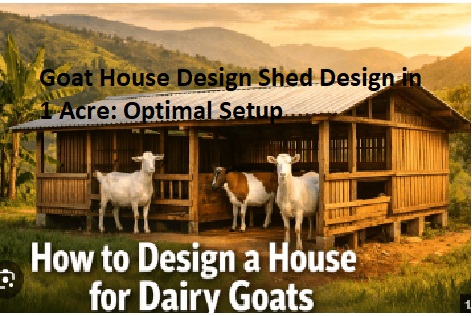
Managing a small-scale livestock operation requires precise spatial planning, especially when your goat house design shed design in 1 acre is limited by physical boundaries. You need to balance the animals’ health requirements with the practical constraints of a small plot to ensure both longevity and cleanliness.
By focusing on vertical space, efficient drainage, and modular structures, you can create a high-functioning environment that feels much larger than its actual footprint. This article provides the technical specifications and site-planning strategies necessary to maximize your limited land for goat husbandry.
Space Requirements and Density
The core question regarding goat house design shed design in 1 acre centers on how many animals you can realistically support without degrading the land. Generally, a safe stocking rate for goats on managed pasture is between 6 and 8 mature goats per acre, assuming you are practicing rotational grazing. If you keep them confined or in a dry lot, your shed size becomes the primary limiting factor rather than the forage availability.
Goats require approximately 10 to 15 square feet of indoor shelter space per animal for standard breeds. For larger dairy breeds, you should aim for 20 square feet to prevent bullying and ensure adequate airflow during hot summer months.
On a one-acre plot, you should dedicate no more than 15% of the total land to the structure and the immediate hard-packed exercise yard. This leaves the remaining 85% for pasture rotation, which is vital for parasite control and soil health.
Orientation and Environmental Factors
Proper orientation of your goat house design shed design in 1 acre will dictate the comfort of your herd throughout the changing seasons. The long side of the shed should ideally face South or Southeast in the Northern Hemisphere to maximize solar gain during the winter. This positioning prevents the interior from becoming a damp, dark environment that encourages respiratory illness.
You must also consider the prevailing wind direction in your specific microclimate. Use heavy-duty windbreaks or strategically placed fence lines to shield the shed entrance from cold, driving rain.
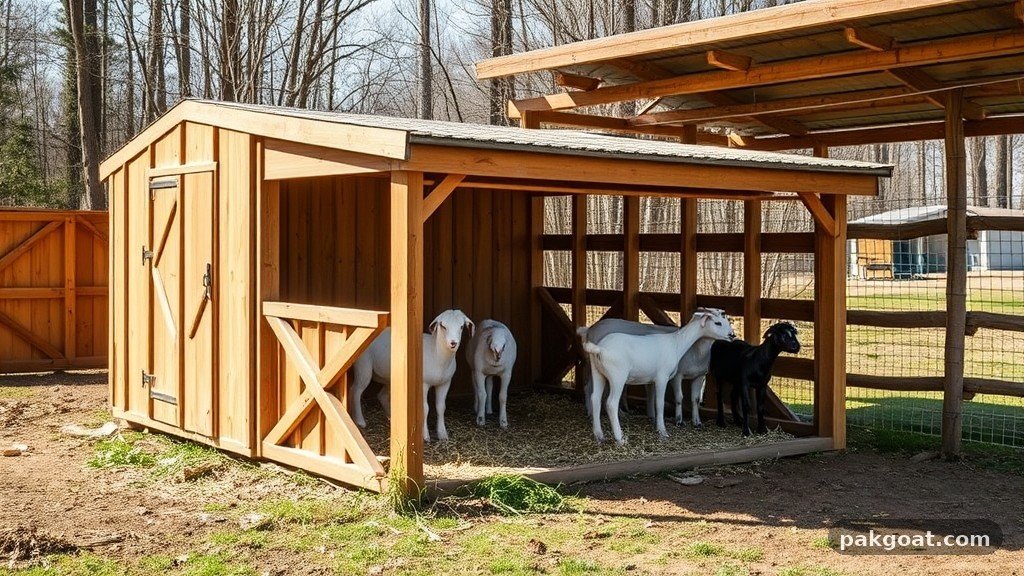
If the front of your shed is open, install a 3-foot roof overhang to prevent rain from blowing into the bedding area. Keep the structure slightly elevated on a concrete pad or crushed rock foundation to ensure moisture drains away from the floor rather than pooling inside.
Material Selection for Durability
Choosing the right materials for your goat house design shed design in 1 acre is a balance between cost and longevity. Avoid using untreated pine for ground-contact posts, as goat urine and constant moisture will cause rot within three years. Instead, use pressure-treated timber or galvanized steel posts set in concrete to provide a stable frame.
For the siding, rough-cut lumber is cost-effective, but ensure it is well-sealed with non-toxic, goat-safe preservatives. Metal roofing is the gold standard for small sheds because it sheds snow easily and reflects heat better than asphalt shingles. If you live in a high-wind area, use ring-shank nails or structural screws rather than standard framing nails to prevent the roof panels from lifting during storms.
Internal Layout and Partitioning
An efficient interior layout is essential for managing a small herd in tight quarters. You should incorporate removable partitions to allow for separating an injured goat, housing a mother with her kids, or isolating a new arrival. Use heavy-duty cattle panels or welded wire mesh for these internal walls, as they allow for maximum visibility and airflow.
Install elevated platforms or “benches” inside the shed, as goats instinctively enjoy climbing and sleeping off the ground. These platforms should be constructed from 2×6 lumber and spaced at least 18 inches apart to allow for cleaning underneath. Keeping goats off the floor helps them stay cleaner and reduces the amount of bedding you need to purchase annually.
Ventilation and Air Quality
Good ventilation is the most overlooked element in a goat house design shed design in 1 acre. Goats are highly susceptible to ammonia buildup from their own waste, which can quickly lead to pneumonia and other respiratory issues. Your design should incorporate a ridge vent or operable windows located near the top of the wall, well above the goats’ heads.
Avoid creating a “sealed box” environment, even in freezing temperatures. The goal is to allow moisture to escape while preventing direct drafts on the animals’ backs. If your shed remains damp despite good ventilation, you may need to increase the slope of your roof or add a gutter system to move water away from the shed perimeter.
Waste Management and Bedding
In a one-acre setup, waste management is critical to prevent odors and fly infestations. The “deep litter” method is often the most effective approach for small sheds, where you layer clean straw or wood shavings over existing waste. This process creates a composting effect that generates heat during the winter months.
However, you must clean the shed out completely at least twice per year to prevent the buildup of pathogens. Use the following table to estimate your bedding needs based on the number of goats you plan to house:
| Goat Count | Weekly Straw (Bales) | Annual Cleaning Frequency |
|---|---|---|
| 2-4 | 0.5 – 1 | 2 times/year |
| 5-8 | 1 – 2 | 3 times/year |
| 9-12 | 2 – 3 | 4 times/year |
Fencing and Security
Your shed is only as good as the fencing that surrounds it. Goats are notorious escape artists and are vulnerable to predators like coyotes or stray dogs. A woven wire “no-climb” fence at least 48 inches high is the minimum requirement for a secure one-acre perimeter.
* Install corner braces on all gate posts to prevent sagging over time.
* Use a high-tensile wire top strand to discourage goats from leaning on the fence.
* Ensure all latches are double-secured, as goats can learn to manipulate simple spring-loaded bolts.
* Bury the bottom of the fence or use a tension wire to prevent predators from digging underneath.
For more detailed information on livestock health and welfare, you can consult the USDA Animal and Plant Health Inspection Service for guidelines on small ruminant management.
Budgeting and Construction Tips
Building a functional structure doesn’t require a massive budget if you are resourceful with materials. You can often source reclaimed lumber or metal roofing from local building supply liquidators. If you are building from scratch, focus your budget on the foundation and the roof, as these are the hardest parts to repair later.
Avoid the common mistake of over-building the interior with expensive finishes that goats will eventually chew or rub against. Focus on structural integrity and ease of cleaning rather than aesthetics. Always check your local building codes regarding setbacks and livestock permits before breaking ground on your goat house design shed design in 1 acre, as some jurisdictions have specific requirements for structures housing animals.
Conclusion
Designing a functional space for your herd on a single acre requires a blend of careful measurement and common-sense animal husbandry. By prioritizing proper ventilation, effective drainage, and secure fencing, you create a safe environment that protects your goats from both the elements and predators. Remember that your goat house design shed design in 1 acre should be flexible enough to evolve as your herd size changes or as you refine your grazing practices.
Start with a solid, well-drained foundation and focus on keeping the interior dry and well-ventilated throughout the year. With these elements in place, your small-scale operation will be both manageable and productive for years to come. Feel free to adjust your plans based on the specific needs of your breed and local climate conditions.
