

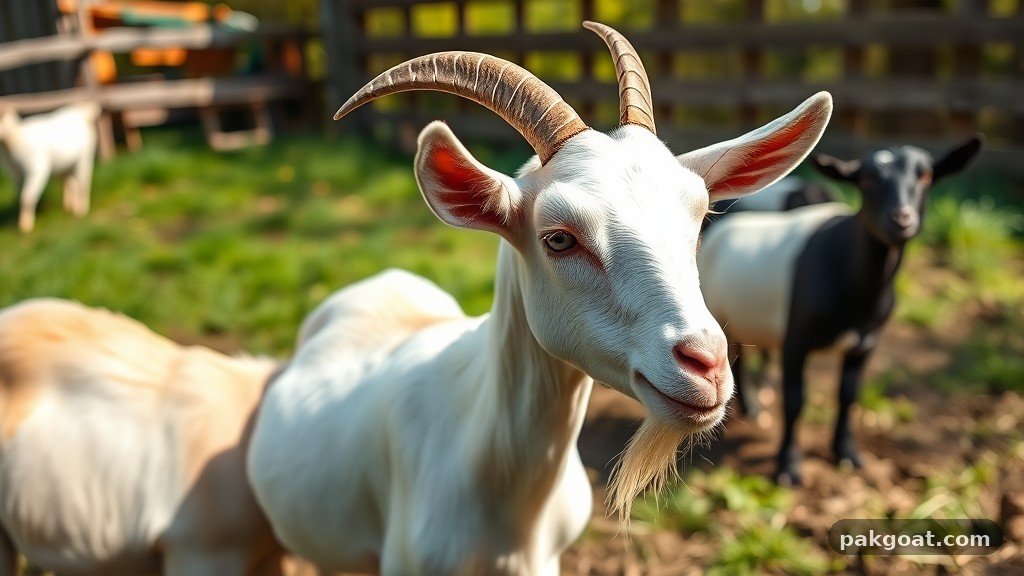
Backyard goat farming has transformed from a niche rural activity into a popular choice for suburban homeowners seeking self-sufficiency. These intelligent, curious animals offer more than just companionship; they provide fresh milk, high-quality fertilizer, and efficient weed management. Successful integration of livestock into a residential setting requires careful planning and a clear understanding of the animals’ biological needs.
By focusing on appropriate breed selection and robust infrastructure, you can create a sustainable system that benefits your family and your land. This article explores the practicalities of managing a small herd, from legal considerations and housing to nutrition and health maintenance.
Determining the Feasibility and Profitability of Raising Goats
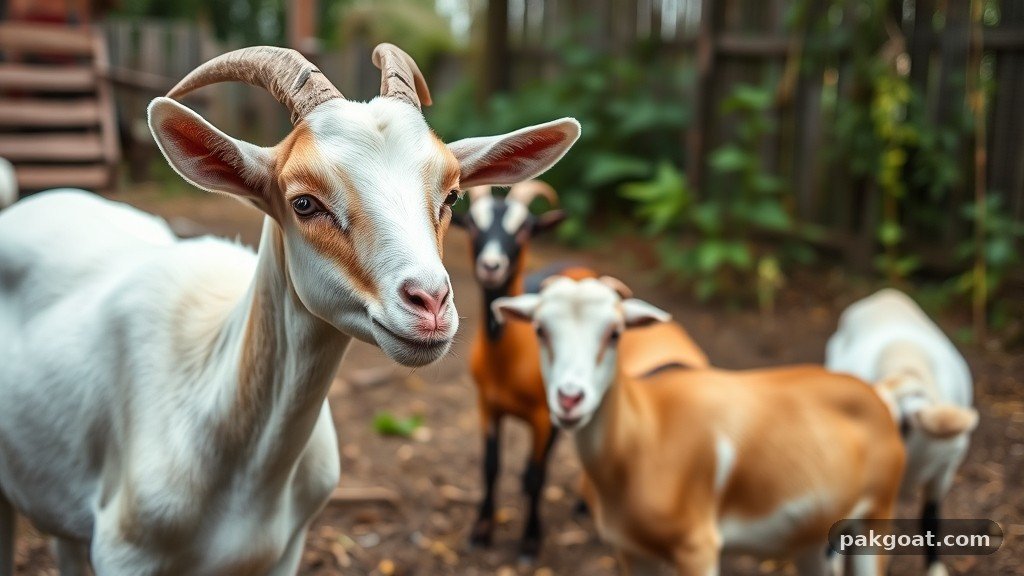
The most common question regarding backyard goat farming is whether it is legal and if it can actually turn a profit. In most residential areas, you can keep goats if you have at least 200 to 250 square feet of outdoor space per animal.
However, you must always verify local zoning ordinances first, as some municipalities classify goats strictly as livestock and prohibit them on smaller lots. Many cities have recently updated their codes to allow miniature breeds, like Nigerian Dwarfs, provided they are kept in pairs and meet specific setback requirements from property lines.
Profitability in a backyard setting is rarely found in large-scale milk production due to the high costs of pasteurization equipment and licensing. Instead, small-scale owners find financial success through value-added products and the sale of registered breeding stock.
Selling goat milk soap, lotions, or artisanal cheeses at local farmers’ markets can offset the cost of feed and veterinary care. A single Nigerian Dwarf doe can produce up to two quarts of milk daily, which significantly reduces a family’s grocery expenses over time.
Breeding and selling registered kids is another viable revenue stream for the backyard enthusiast. High-quality, ADGA-registered (American Dairy Goat Association) Nigerian Dwarfs often sell for $300 to $600 each.
If your doe has triplets once a year, the sale of the offspring can cover the entire herd’s annual hay and grain bill. While you won’t get rich quickly, a well-managed backyard goat farming operation can certainly pay for itself and provide a modest surplus.
Navigating Zoning Laws and Community Relations
Before purchasing your first pair of kids, you must navigate the complex web of local regulations. Many suburban areas have HOA restrictions that override city ordinances, specifically banning “farm animals” regardless of size.
You should request a written copy of your local code to check for specific mentions of caprine species. Some towns limit the number of animals based on acreage, often requiring 0.5 to 1 acre for the first two goats.
Noise and odor are the primary concerns for neighbors and code enforcement officers. While does and wethers (neutered males) are generally quiet, they can vocalize loudly if they are hungry or lonely.
Keeping intact bucks is usually discouraged in backyard goat farming because of their powerful, musk-like scent during the breeding season. This odor can travel several houses away and is often the leading cause of neighbor complaints and subsequent legal trouble.
Maintaining a clean environment is the best way to stay in the good graces of your community. Regularly composting manure and using deep-litter bedding techniques will keep smells to a minimum.
Offer your neighbors a bar of goat milk soap or a jar of cajeta (goat milk caramel) to build goodwill. A positive relationship with the people living around you is just as important as the fence that keeps your goats contained.
Selecting the Best Breeds for Small Spaces
Choosing the right breed is a critical decision that dictates your daily workload and the output of your farm. For backyard goat farming, miniature breeds are almost always the superior choice due to their manageable size and lower feed requirements.
Standard-sized goats like Alpines or Nubians can weigh over 150 pounds and require significantly more space and stronger fencing. Miniature breeds provide a high “output-to-input” ratio that fits perfectly in a suburban setting.
The Nigerian Dwarf is the most popular dairy breed for small backyards. They are roughly 20 inches tall and produce milk with the highest butterfat content of any breed, often reaching 6% to 10%.
This makes their milk exceptionally creamy and ideal for making cheese and ice cream. Their small stature also makes them easier for children to handle and less intimidating for first-time owners.
If milk is not your primary goal, Pygmy goats are an excellent alternative. They are primarily kept as pets or for meat, though they are rarely used for meat in a backyard context. They are stocky, friendly, and very hardy against common diseases.
Another interesting option is the Kinder goat, a cross between a Pygmy and a Nubian. Kinders are dual-purpose animals that provide substantial milk yields while maintaining a compact body size.
| Breed | Primary Purpose | Average Height | Daily Milk Yield |
|---|---|---|---|
| Nigerian Dwarf | Dairy / Pet | 17–23 inches | 1–2 quarts |
| Pygmy | Pet / Meat | 16–20 inches | Minimal |
| Mini-Nubian | Dairy | 23–29 inches | 2–3 quarts |
| Kinder | Milk / Meat | 20–26 inches | 1.5–2.5 quarts |
Essential Infrastructure and Predator Protection
Your goats need a secure, dry place to live that protects them from both the elements and local predators. A three-sided shed is often sufficient in mild climates, but colder regions require a fully enclosed barn to block freezing winds.
The structure doesn’t need to be fancy; a repurposed garden shed or a custom-built “goat hut” works well. The key is ventilation, as goats are prone to respiratory issues if ammonia from urine builds up in a sealed space.
Fencing is the most expensive and important part of backyard goat farming infrastructure. Goats are notorious escape artists that will find any weakness in a perimeter.
Use woven wire fencing, often called “no-climb” horse fence, which features 2×4 inch openings. This prevents goats from sticking their heads through and getting stuck, which is a common and dangerous problem with standard cattle panels.
Predator protection is a major concern even in suburban environments. Stray dogs, coyotes, and even foxes can threaten small goats and kids. Ensure your fencing is at least four feet high and consider adding a strand of electric wire at the top and bottom.
At night, goats should be locked inside a secure barn or a “night pen” with a solid roof. This routine prevents nocturnal predators from gaining access to your herd while they sleep.
Nutrition and Feeding Strategies for Optimal Health
Goats are not the “can-eaters” of popular myth; they are actually quite fastidious eaters with specific nutritional requirements. Their primary diet should consist of high-quality forage, which includes hay and pasture. In a backyard setting, you will likely rely on purchased hay for most of the year. Alfalfa hay is excellent for milking does due to its high calcium content, while grass hay like Timothy or Orchard grass is better for wethers and dry does.
Clean water must be available at all times, as a goat can drink up to three gallons a day depending on the temperature. They also require free-choice minerals specifically formulated for goats.
Many people make the mistake of buying “all-purpose” livestock minerals, but these often lack the copper goats need. Sheep minerals are particularly dangerous because they lack copper, which is toxic to sheep but essential for goat health.
While goats love treats like apples and carrots, these should be given in moderation. Grain should also be limited, especially for males, as it can lead to urinary calculi (kidney stones). Milking does may need a small amount of grain on the milking stand to maintain their energy levels. Always monitor your goats for signs of obesity, as an overweight goat is prone to pregnancy toxemia and joint issues.
- High-quality Hay: Provides the necessary fiber for rumen health.
- Clean Water: Essential for digestion and milk production.
- Loose Minerals: Prevents deficiencies that lead to coat issues and poor growth.
- Baking Soda: Offered free-choice to help settle the rumen if they overeat.
- Limited Treats: Fruits and vegetables should make up less than 10% of the diet.
Health Management and Preventative Care
A proactive approach to health is the cornerstone of successful backyard goat farming. You must become familiar with the FAMACHA scoring system, which uses the color of the goat’s lower eyelid to check for anemia caused by internal parasites.
Parasites are the leading cause of death in small herds, especially in humid climates. Regular fecal exams by a veterinarian or conducted at home with a microscope will help you determine when to deworm.
Vaccinations are another essential component of a preventative health plan. The CDT vaccine protects against Clostridium perfringens types C and D, as well as Tetanus.
Goats usually require an initial shot followed by a booster, then annual revaccination. Because goats are so susceptible to tetanus from small wounds or during procedures like disbudding, this vaccine is non-negotiable for most owners.
Hoof trimming is a task you will need to perform every six to eight weeks. If hooves are left to grow too long, they can cause permanent lameness and provide a breeding ground for hoof rot bacteria. You can learn to do this yourself with a simple pair of hoof trimmers and a steady hand.
For more complex health issues, it is vital to have a relationship with a local vet who treats small ruminants before an emergency occurs. You can find more detailed health guidelines through the Cornell Small Farms Program resources.
The Economics of Initial Setup and Monthly Maintenance
Starting a backyard goat farming project requires a significant upfront investment, though monthly costs remain relatively low. Your primary expenses will be the purchase of the animals, the construction of the fence, and the building of a shelter.
A pair of registered Nigerian Dwarf does will cost between $600 and $1,200. Fencing a quarter-acre with high-quality woven wire can easily cost another $1,000 to $2,000 if you hire professional installers.
Monthly maintenance costs are more predictable and manageable. A single goat will eat roughly one-half to one full flake of hay per day. If a bale of hay costs $10 and contains 10 flakes, you are looking at roughly $30 to $60 per month in hay for a pair of goats.
Bedding, such as wood shavings or straw, adds another $15 per month. You should also set aside a small “emergency fund” for unexpected veterinary visits.
The hidden savings of goats often come from the services they provide. They can clear a brush-filled lot in weeks, saving you the cost of professional landscaping or heavy machinery rental.
Their manure is “cold,” meaning it doesn’t need to be aged as long as cow or horse manure before being applied to a garden. This free, high-nitrogen fertilizer can significantly boost the yields of a backyard vegetable patch, further increasing the farm’s overall value.
Daily Management and the Milking Routine
The daily rhythm of backyard goat farming is centered around chores that take about 30 to 60 minutes each day. In the morning, you’ll need to provide fresh hay, refill water buckets, and check for any signs of illness.
If you are milking, this is when the first session occurs. Goats thrive on a strict schedule; if you are five minutes late, they will likely let you and your neighbors know with loud bleating.
Milking requires a clean environment and a dedicated milking stand. The stand secures the goat’s head in a stanchion and raises them to a comfortable height for the human.
You must wash the udder with a gentle sanitizing solution before and after milking to prevent mastitis. Once the milk is collected, it should be filtered and chilled immediately to under 40 degrees Fahrenheit to ensure the best flavor and safety.
Beyond the physical chores, goats require social interaction and mental stimulation. They are highly intelligent animals that can become bored and destructive if left alone in a barren pen.
Providing “goat toys” like large cable spools, old tires, or wooden platforms for climbing will keep them occupied. Spend at least 15 minutes a day just sitting with your herd; this builds trust and makes them much easier to handle when it’s time for medical treatments or hoof trimming.
Frequently Asked Questions
How much space do I really need for two goats?
While you can technically keep two miniature goats in about 400 square feet, more is always better. Providing 1,000 square feet or more allows them to run and play, which reduces stress and the buildup of parasites in the soil. If your space is small, you will need to be much more diligent about cleaning manure daily.
Do backyard goats smell bad?
Does and wethers have very little odor and are often cleaner than large dogs. Only intact bucks have a strong, musky smell, which they use to attract females. For a backyard setting, most people choose to keep only does or a combination of does and wethers to avoid the scent issues associated with bucks.
Can I keep just one goat?
No, goats are highly social herd animals and will become extremely stressed if kept alone. A lonely goat is more likely to scream, try to escape, or become ill. You should always have at least two goats; a wether (neutered male) makes an excellent and inexpensive companion if you only want one milking doe.
Will goats eat all the weeds and brush in my yard?
Goats are browsers, meaning they prefer brush, briars, and weeds over grass. They are excellent at clearing overgrown areas of blackberry bushes, English ivy, and even poison oak. However, they will also eat your rose bushes, fruit trees, and vegetable garden if they aren’t properly fenced out of those areas.
How long do backyard goats live?
With proper care, nutrition, and protection from predators, a healthy goat can live between 12 and 15 years. Some have been known to live into their late teens. This makes them a long-term commitment similar to owning a dog, so plan for their care throughout their entire lifespan.
Establishing a Sustainable Backyard System
Starting a backyard goat farming journey is a rewarding way to connect with your food source and bring a bit of the countryside to your home. While the initial setup requires a focused investment of time and money, the long-term benefits of fresh milk, natural weed control, and companionship are substantial. By selecting the right miniature breeds and prioritizing secure fencing, you can avoid the most common pitfalls of small-scale livestock ownership.
Success depends on your ability to maintain a consistent routine and stay proactive about herd health. As you become more comfortable with the daily rhythms of milking and care, you will likely find that these charming animals become an indispensable part of your household. Whether your goal is artisanal cheese or simply a more sustainable lifestyle, a well-managed backyard herd offers a unique path to achieving it.
