

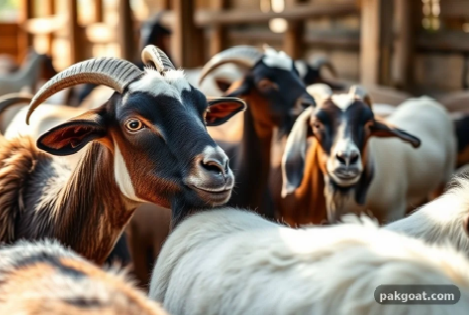
Modern goat farming has evolved from small-scale subsistence grazing into a highly technical industry focused on yield, animal welfare, and market demand. Producers today rely on precise data and controlled environments to maximize output while minimizing the overhead that previously plagued traditional pastoral methods.
Understanding the financial viability of this sector requires balancing feed costs, labor inputs, and the specific market value of dairy or meat products. By integrating advanced veterinary protocols and automated feeding systems, farmers are finding that efficiency is the primary driver of profitability in this competitive agricultural space.
The profitability of a goat enterprise typically hinges on the scale of production and the specific market niche being targeted. A small herd of 10 to 20 goats might serve a local direct-to-consumer market, while operations with over 100 animals usually require industrial-grade milking parlors or specialized meat processing logistics.
Most commercial dairy operations report that it takes approximately 18 to 24 months to reach a break-even point on initial capital investment. Revenue streams are split between milk sales, cheese production, meat, and in some regions, the sale of high-quality breeding stock.
Land and Infrastructure Requirements
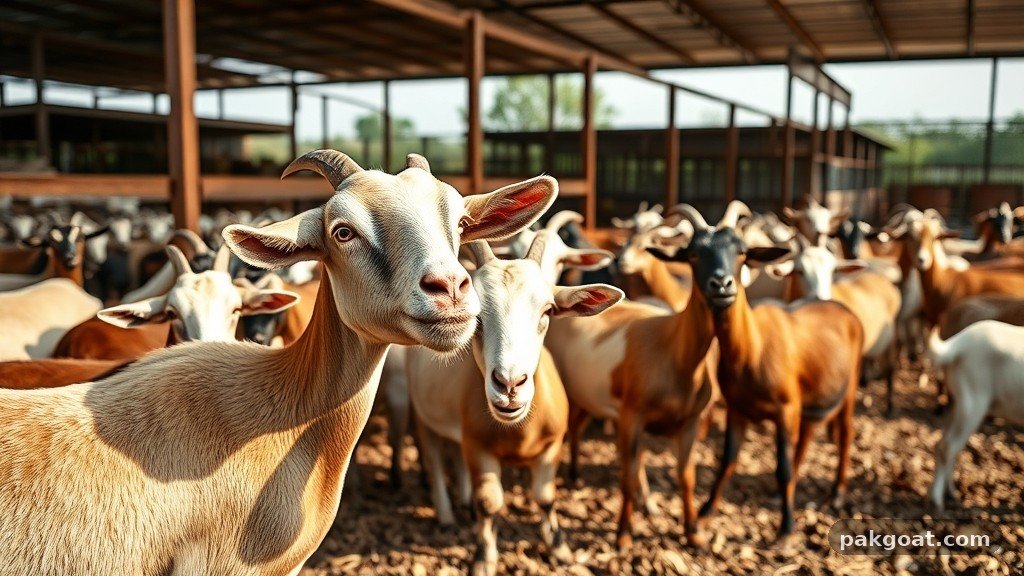
Land management serves as the foundation for any successful operation, with most experts recommending a minimum of one acre for every 6 to 10 goats depending on the quality of the forage. Modern facilities often move away from extensive open-range grazing to rotational grazing systems that prevent soil degradation and parasite buildup. This approach allows for higher stocking densities while maintaining the overall health of the herd.
Infrastructure needs for a herd of 100 animals involve more than just a simple barn. You must account for a dedicated milking parlor, a clean storage area for milk, and a quarantine zone for sick or new animals.
The construction of a climate-controlled shelter is vital for protecting high-value dairy breeds from temperature fluctuations that can cause milk production to drop. Investing in automated waterers and elevated flooring systems significantly reduces the daily labor requirement, allowing a single operator to manage a much larger herd than previously possible.
The Economics of Modern Goat Farming
Profit margins in the goat industry vary significantly based on whether you are selling raw commodities or value-added products. Selling raw milk often yields lower returns due to processing regulations and the need for immediate refrigeration.
In contrast, producers who manufacture artisanal goat cheese or yogurt can see profit margins increase by 30% to 50% compared to selling the raw milk alone. The following table highlights typical cost drivers for a small-to-medium commercial operation.
| Expense Category | Estimated Annual Cost (per head) | Impact on Profitability |
|---|---|---|
| Feed and Nutrition | $150 – $250 | High (Primary driver) |
| Veterinary Care | $40 – $75 | Medium (Risk mitigation) |
| Infrastructure Maintenance | $30 – $60 | Low (Long-term asset) |
| Labor and Processing | $100 – $200 | High (Scalability factor) |
Selecting the Right Breed
Choosing the correct breed is a critical decision that influences your entire business model. Dairy breeds like the Saanen or Alpine are prized for their high milk volume, often producing 2,000 to 3,000 pounds of milk per lactation cycle.
Meat-focused operations often look to the Boer goat, which is renowned for its rapid growth rate and carcass yield. Some farmers choose dual-purpose breeds like the Nubian, which provides a balance of milk production and meat quality, though they are often more demanding in terms of nutrition.
Your local climate dictates which breed will thrive in your specific environment. A breed that performs exceptionally well in a dry, arid climate may struggle with hoof rot or respiratory issues in a humid, high-rainfall region.
Researching regional breed associations provides insight into which animals have successfully adapted to your specific geography. Always source your foundation stock from reputable breeders who provide health records, as starting with diseased animals can ruin a farm’s potential before it even begins.
Health Management and Disease Control
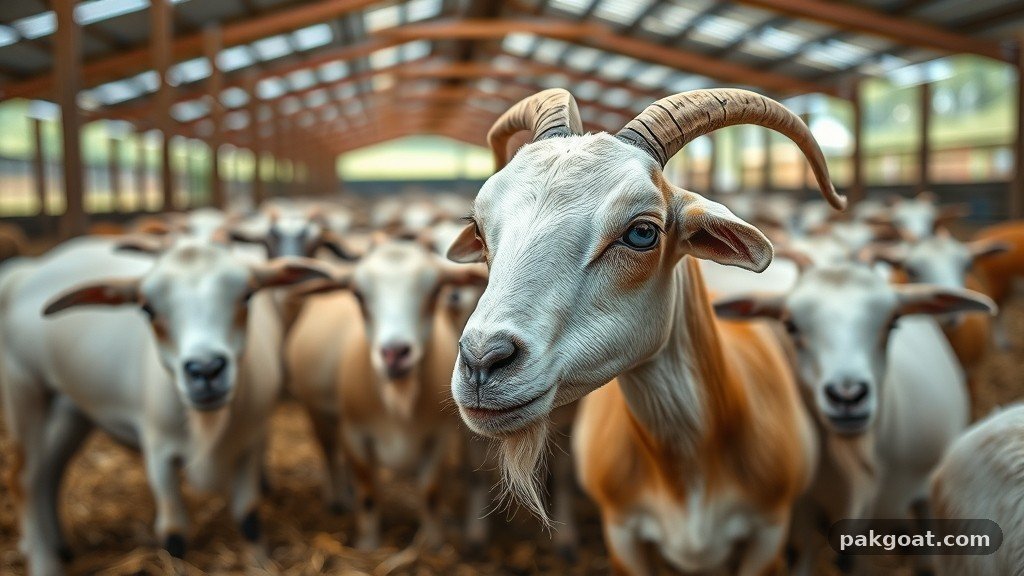
Effective herd health management is the difference between a thriving farm and constant financial loss. Parasite management, particularly the control of Haemonchus contortus or the barber pole worm, is the most significant health challenge in modern goat farming.
Producers now use the FAMACHA scoring system to identify which individuals need deworming, preventing the overuse of chemical treatments and slowing the development of parasite resistance. Regular fecal egg counts are an essential diagnostic tool for any serious manager.
Biosecurity protocols should be established from day one to protect your investment. This includes a strict policy of quarantining any new animals for at least 30 days before integrating them into the main herd.
Keeping visitors away from the primary housing areas and maintaining clean, dry bedding reduces the incidence of pneumonia and mastitis. You can find detailed veterinary guidelines through the American Association of Swine Veterinarians or similar livestock health organizations that offer comprehensive resources on herd immunity and vaccination schedules.
Feeding Strategies for Maximum Yield
Nutrition is the largest ongoing expense for any goat farmer, accounting for roughly 40% to 60% of total operating costs. Modern feeding strategies prioritize high-quality forage supplemented by precision-measured grain rations tailored to the animal’s stage of production. Lactating does require significantly more protein and energy than dry does or wethers, and failing to provide this results in a rapid decline in milk output.
Many successful operations now employ mobile feeding systems that move with the herd during rotational grazing, ensuring that animals always have access to fresh, high-nutrient vegetation. Incorporating legumes like alfalfa or clover provides the necessary protein levels to support high milk production without relying solely on expensive, store-bought concentrates.
Proper mineral supplementation is equally important, as goats have specific requirements for copper and selenium that vary by region. If the local soil is deficient in these minerals, the herd will suffer from reproductive issues and poor growth rates.
Marketing and Sales Channels
The most successful producers treat their farm as a brand rather than just a commodity supplier. Developing a direct-to-consumer relationship—whether through farmers’ markets, farm-gate sales, or subscription-based milk delivery—allows the farmer to capture the retail price of the product.
This bypasses the middleman and keeps a higher percentage of the profit within the business. Digital marketing, including social media and a professional website, is now standard for reaching a customer base that values farm-to-table traceability.
* Direct-to-consumer farm store sales
* Regional farmers’ markets and food festivals
* Wholesale contracts with local artisanal cheese makers
* Online subscription models for dairy products
* Selling high-quality breeding stock to other farmers
Frequently Asked Questions
How much space does a herd of 100 goats actually need?
A herd of 100 goats requires enough space to prevent overcrowding and stress, which leads to disease. While a small dry lot might hold them, you need at least 10 to 15 acres for adequate rotational grazing to ensure the land remains productive and the goats have access to fresh forage throughout the season.
Is it truly profitable to run a goat farm today?
Profitability is achievable, but it depends on your ability to control costs and command a premium price for your products. Operations that focus solely on raw commodity sales often struggle, while those that process their own cheese or yogurt tend to see much higher returns on their labor.
Which breeds are considered the most profitable?
Profitability is tied to your specific product goals rather than a single “best” breed. Dairy producers often favor Saanens for volume, while meat producers lean toward Boer goats for their rapid weight gain and muscle development.
How much should I budget for two starter goats?
The cost of starter goats varies widely based on pedigree and health status. You might pay as little as $200 for a pair of wethers for brush control, while high-quality, registered dairy does with strong production records can cost upwards of $600 to $1,000 each.
What is the biggest mistake new farmers make?
The most common mistake is neglecting the importance of biosecurity and parasite management. Bringing new animals onto the farm without a quarantine period often introduces diseases that can devastate an entire herd, leading to massive financial losses in the first year.
Conclusion
Modern goat farming requires a blend of traditional animal husbandry and modern business management. Success is rarely accidental; it is the result of careful infrastructure planning, strict health protocols, and a clear strategy for reaching your target market. By prioritizing the health of your herd and focusing on high-value products, you can build a sustainable and resilient agricultural business.
Whether you are starting with a small hobby herd or scaling up to a commercial operation, the principles of efficiency and data-driven decision-making remain the same. Take the time to study your local market, invest in the right genetics, and stay disciplined with your costs to ensure your future in the industry remains bright.
