

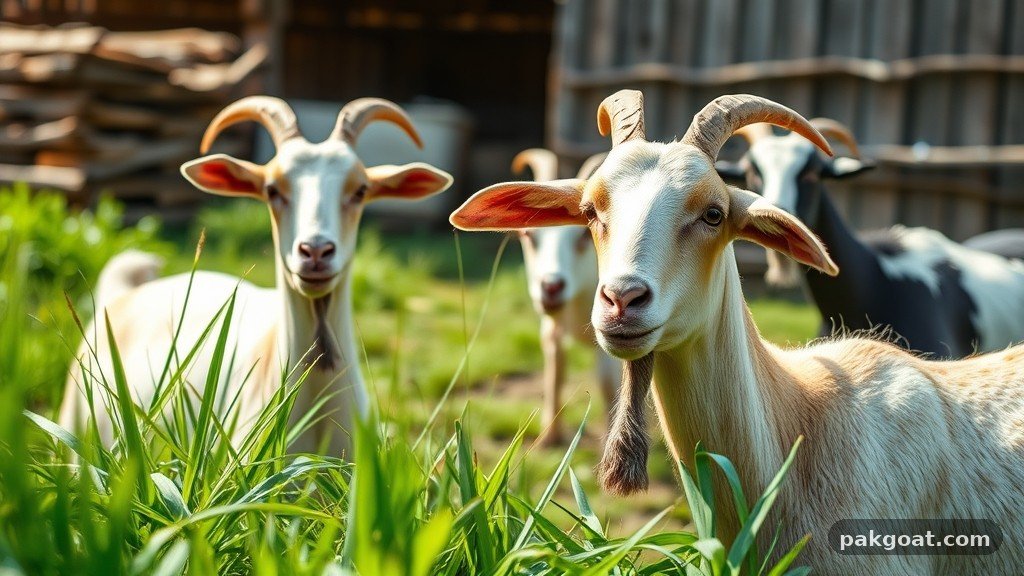
Entering the world of organic goat farming requires a clear understanding of both the environmental benefits and the strict regulatory standards involved. Producers must balance animal welfare, soil health, and market demand to maintain certification while ensuring the operation remains financially sustainable. This article provides the essential data, operational requirements, and economic insights necessary to evaluate whether this agricultural path aligns with your long-term goals and resource availability.
Establishing the Profitability of Goat Enterprises
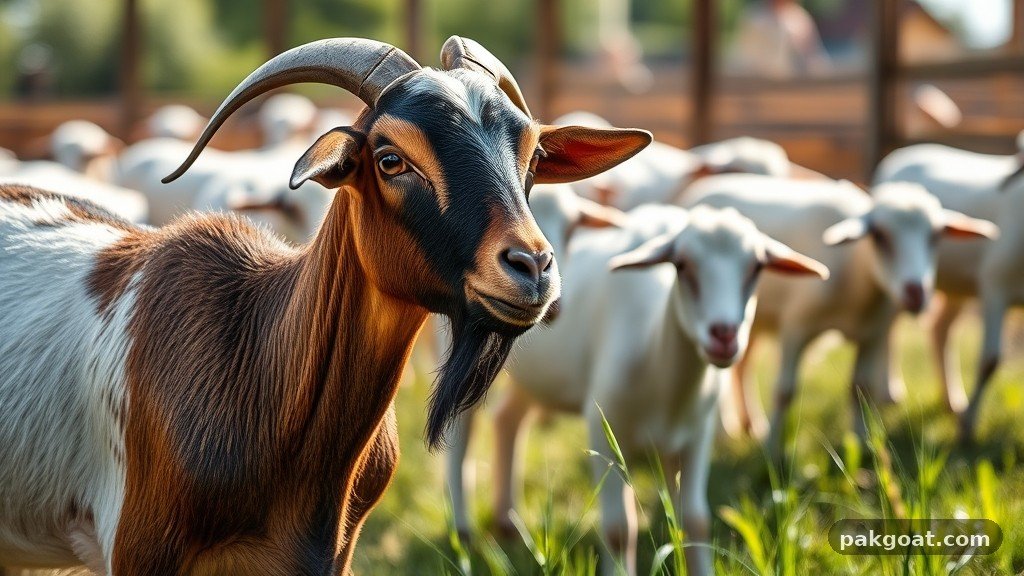
Many producers enter the industry wondering if organic goat farming is truly profitable. The short answer is that profitability depends heavily on your ability to reach premium markets that value certified organic labels. While conventional operations often rely on scale to lower costs, organic systems lean into higher price points for milk, cheese, and meat.
Data from agricultural extensions suggests that profit margins per head are often 20% to 30% higher for organic products compared to standard commercial goods. However, these gains are frequently offset by the increased cost of organic feed, which can be 50% to 100% more expensive than conventional alternatives. Success requires a direct-to-consumer sales model to bypass middlemen who would otherwise dilute your margins.
Land Requirements for Sustainable Grazing
A common question is how much space is actually needed to support a herd. For a standard, sustainable operation, you generally need between 0.5 and 1 acre of high-quality pasture per adult goat. This figure assumes you are using rotational grazing to prevent overgrazing and soil degradation.
If you have poor soil quality or rely on arid land, that requirement can easily jump to 3 acres per goat. Density is a critical factor in organic certification because you must provide adequate outdoor access. High stocking rates increase the risk of parasite buildup, which is a major challenge since synthetic dewormers are prohibited under strict organic guidelines.
Comparing Conventional vs Organic Production
The differences between these two systems go beyond just the feed. Organic standards mandate that animals have access to pasture for the entire grazing season. This requirement forces a shift in management style compared to intensive indoor confinement systems.
| Metric | Conventional Farming | Organic Farming |
|---|---|---|
| Feed Source | Standard GMO Grains | Certified Organic Grains |
| Antibiotic Use | Routine/Preventative | Prohibited |
| Pasture Access | Optional/Limited | Mandatory |
| Certification | Not Required | Third-Party Audited |
Managing Herd Health Without Synthetic Drugs
Animal welfare is the cornerstone of organic certification, yet it is also the most difficult aspect to manage. Because you cannot use antibiotics or synthetic parasiticides, prevention is your primary defense. You must rely on rigorous rotational grazing schedules to break the lifecycle of common internal parasites.
Many farmers incorporate herbal supplements or specific browse plants, like sericea lespedeza, into the diet to manage worm loads naturally. If an animal does become severely ill, you are required to provide medical treatment to prevent suffering. If that treatment involves prohibited substances, that specific animal loses its organic status and must be removed from the herd.
Essential Infrastructure for Your Farm
Starting an operation requires more than just land and animals. You need a facility that meets safety standards while remaining compliant with organic audit requirements. This includes secure, predator-proof fencing and clean, dry housing that protects against harsh weather.
* Portable electric netting for precise, daily rotational grazing.
* Automated water systems to ensure fresh, clean hydration.
* Milking parlors with stainless steel equipment for hygiene.
* Dedicated storage areas for organic-certified feed to prevent cross-contamination.
* Record-keeping software for tracking animal health and feed inputs.
Maintaining these assets requires a significant initial capital outlay. You can find detailed resources on animal welfare and husbandry standards through the United States Department of Agriculture organic program. Proper planning for these physical assets prevents costly retrofitting once your certification audit begins.
Understanding the Economics of Goat Sales
When evaluating the financial potential, you should consider the different revenue streams. Milk is typically the most consistent earner, but it requires a proximity to a creamery or a licensed on-farm processing facility. Meat goats offer a faster turnover but are subject to fluctuating market prices.
The cost of two baby goats, or kids, varies significantly based on breed and genetic history. You might pay anywhere from $150 for a standard crossbreed to over $800 for registered dairy stock with verified production lineage. You must account for these startup costs alongside the annual feed, veterinary, and certification fees.
Common Hurdles in Organic Certification
The transition period to organic status is a major barrier for many producers. You must manage your land and livestock under organic standards for a full 36 months before the final products can be sold as certified organic. During this time, your expenses increase, but you cannot yet charge the premium price for your output.
Another challenge is the paperwork burden. Every batch of feed, every medical intervention, and every movement of animals must be documented. If you cannot produce a paper trail during an inspection, your certification can be revoked or suspended.
FAQ on Goat Farming
Is organic goat farming profitable?
It can be, provided you have a low-cost feed strategy and access to premium retail markets. Most profitable operations sell value-added products like artisan cheese or high-end meat cuts rather than raw milk or live animals.
How many acres do you need for 100 goats?
For a managed, rotational grazing system, you should plan for at least 50 to 100 acres of high-quality pasture. If you are buying in most of your feed, you could manage with less, but you will still need enough land to satisfy organic requirements for outdoor access.
Which goat breed is most profitable?
Dairy breeds like Nubians or Alpines are often considered the most profitable due to the value of milk products. However, Boer goats are highly sought after for meat production and often command higher prices at auction.
How much do two baby goats cost?
You can expect to pay between $300 and $1,600 for a pair of healthy, weaned kids, depending on the breed and health certification. Always prioritize purchasing from breeders who can provide a clean bill of health.
What is the biggest challenge for beginners?
The biggest challenge is managing internal parasites without the use of chemical dewormers. This requires a deep understanding of pasture biology and the resilience to cull animals that show consistent health issues.
Building a Sustainable Future
Success in this field requires more than just a love for animals; it demands a disciplined approach to business and biology. By focusing on soil health, rotational grazing, and direct sales, you create a buffer against the volatility of the commodity market. You must remain committed to the long-term health of your land to ensure the operation remains productive for years.
Organic goat farming is a demanding venture that rewards careful planning and strict adherence to natural management principles. If you are prepared to invest the time and capital required for the transition, the potential for a sustainable and rewarding business remains strong. Evaluate your local market demand before committing to a specific breed or scale, and start with a manageable herd size to master your management systems.
