

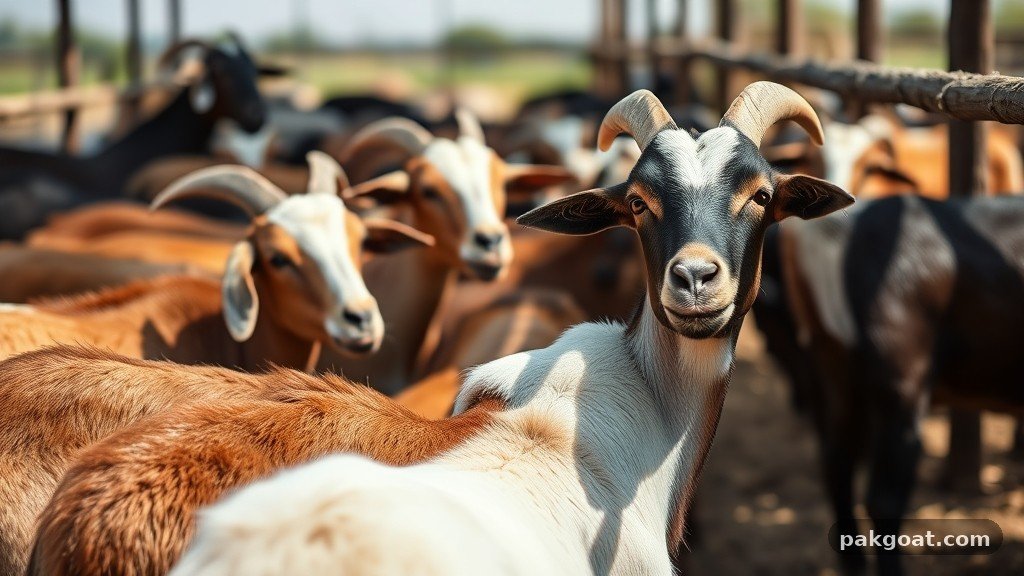
Mastering effective goat farming techniques is essential for anyone looking to transition from hobbyist keeping to a sustainable, income-generating agricultural venture. Successful producers focus on herd health, nutritional precision, and pasture management to maximize yield while minimizing overhead costs. By implementing these strategies, you ensure that your livestock remains productive throughout their life cycle.
A primary concern for new producers is stocking density, as this directly impacts land health and parasite control. On average, you can sustain 6 to 8 adult goats per acre of high-quality, managed pasture without overgrazing.
If you rely solely on natural forage without supplemental feeding, this number often drops to 3 to 4 goats per acre to prevent soil erosion and weed dominance. Because goats are browsers rather than grazers, they require access to diverse vegetation like shrubs and broadleaf plants to remain healthy.
Understanding Herd Productivity
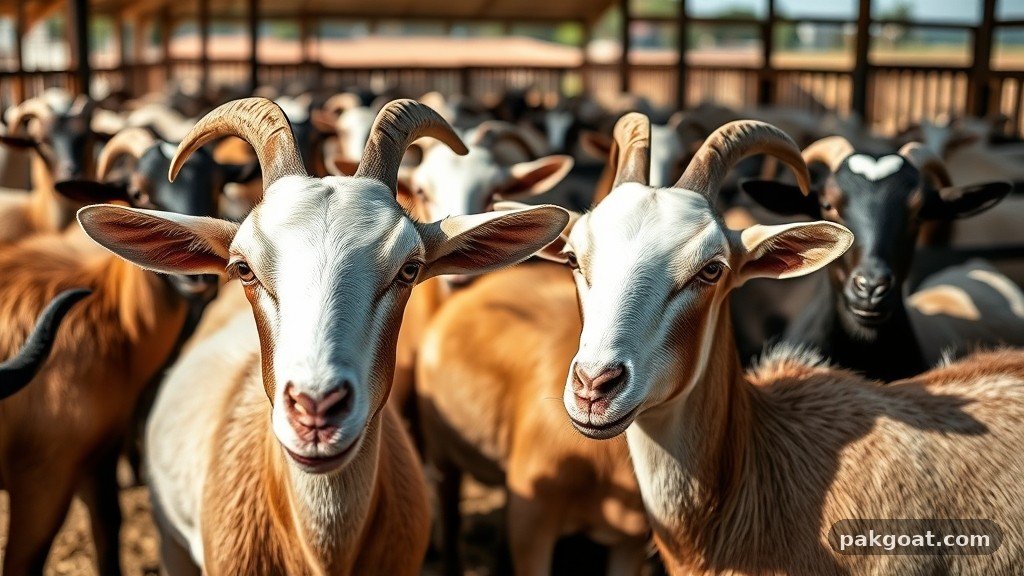
Commercial viability relies on high reproductive rates and rapid kid development. A healthy doe should ideally produce 1.5 to 2 kids per year, depending on the breed and management intensity. Monitoring the body condition score of your does during the breeding season is a critical technique; animals with a score below 2.5 often struggle with conception. Providing a flushing diet—increasing energy intake three weeks before breeding—can increase ovulation rates significantly.
Financial Breakdown of Operations
Profitability hinges on knowing your exact overhead and variable costs. The following table illustrates typical expense categories for a small-scale operation with 20 head of livestock.
| Expense Category | Estimated Annual Cost (USD) |
|---|---|
| Veterinary & Medical Supplies | $400 – $600 |
| Supplemental Feed & Minerals | $1,200 – $1,800 |
| Fencing Maintenance | $200 – $400 |
| Shelter & Equipment Depreciation | $300 – $500 |
Rotational Grazing Strategies
Goat farming techniques that prioritize rotational grazing effectively break the parasite life cycle. By moving goats to fresh paddocks every 3 to 7 days, you prevent the ingestion of larvae that emerge from manure in previous grazing cycles. This method also allows forage to recover, increasing the total biomass produced per acre over a single growing season. Portable electric netting is the industry standard for this, as it is lightweight and adaptable to uneven terrain.
Nutritional Requirements
Goats have higher metabolic demands than many other ruminants, especially during lactation. A balanced diet must include high-quality forage, clean water, and a specifically formulated mineral supplement. Because goats are sensitive to copper toxicity in some breeds, always verify the mineral mix matches your specific animal’s needs. You can learn more about specific nutrient requirements through the Penn State Extension goat management resources.
Managing Herd Health
Preventative medicine is far cheaper than reactive treatment for a sick herd. You should maintain a strict vaccination schedule for common diseases like enterotoxemia and tetanus, often administered as an 8-way or CD&T vaccine. Routine FAMACHA scoring—checking the color of the eyelid membrane—allows you to identify anemic animals caused by internal parasites. Only deworm animals that show clear clinical symptoms to prevent the development of drug-resistant parasite strains in your pastures.
Selecting the Right Breed
Your choice of breed dictates your primary revenue stream, whether it be meat, milk, or fiber. Boer goats are the gold standard for meat production due to their rapid growth rates and muscular build. If you are targeting the dairy market, Nubian or Alpine goats provide higher butterfat content and consistent daily yields. Consider your local climate and market demand before investing in a foundation herd, as some breeds struggle in extreme humidity or cold.
Essential Infrastructure
Housing does not need to be elaborate, but it must be dry and draft-free. Goats are highly susceptible to respiratory issues if kept in damp or poorly ventilated structures. A simple three-sided shed facing away from prevailing winds is usually sufficient for most climates. Ensure your fencing is at least 48 inches high and constructed of woven wire to prevent both escapes and predator entry.
FAQ: Common Goat Management Questions
How fast can 10 goats clear an acre?
A herd of 10 mature goats can clear an acre of dense brush in approximately 7 to 14 days, depending on the height and density of the vegetation. They are highly efficient at stripping bark and leaves, which can kill invasive woody plants within two or three grazing sessions.
How do farmers make money with goats?
Most producers generate revenue through the sale of kids for meat, raw milk sales (where legally permitted), and breeding stock. Some farmers also offer “goatscaping” services, where they are paid to clear brush and invasive species from residential or commercial properties.
What food makes goats grow faster?
High-protein alfalfa hay combined with a balanced concentrate grain ration typically yields the fastest growth rates. However, excessive grain can lead to digestive issues like acidosis, so it must be introduced gradually.
Do goats require a lot of daily attention?
Goats require daily monitoring for health status, water availability, and fence integrity. While they are not as labor-intensive as dairy cows, they are prone to accidents and health crashes, necessitating a daily “eyes-on” check of the entire herd.
Are goats difficult to keep contained?
Goats are notorious escape artists and will test the limits of any enclosure. Proper fencing, such as high-tensile woven wire or electrified netting, is the only way to ensure they remain in their designated grazing areas.
Implementing these goat farming techniques requires patience, observation, and a willingness to adapt to the specific needs of your land. Whether you are scaling up for commercial meat production or managing a small dairy herd, the principles of rotational grazing and preventative health remain the bedrock of success. Keep your infrastructure sound, your nutrition consistent, and your parasite management proactive to ensure the longevity of your operation.
As you gain experience, you will find that a well-managed herd is not only profitable but also a highly effective tool for land stewardship. Start with a small, manageable number of animals to refine your processes before scaling your investment. With careful attention to detail, your venture into livestock management can yield consistent results for years to come.
