

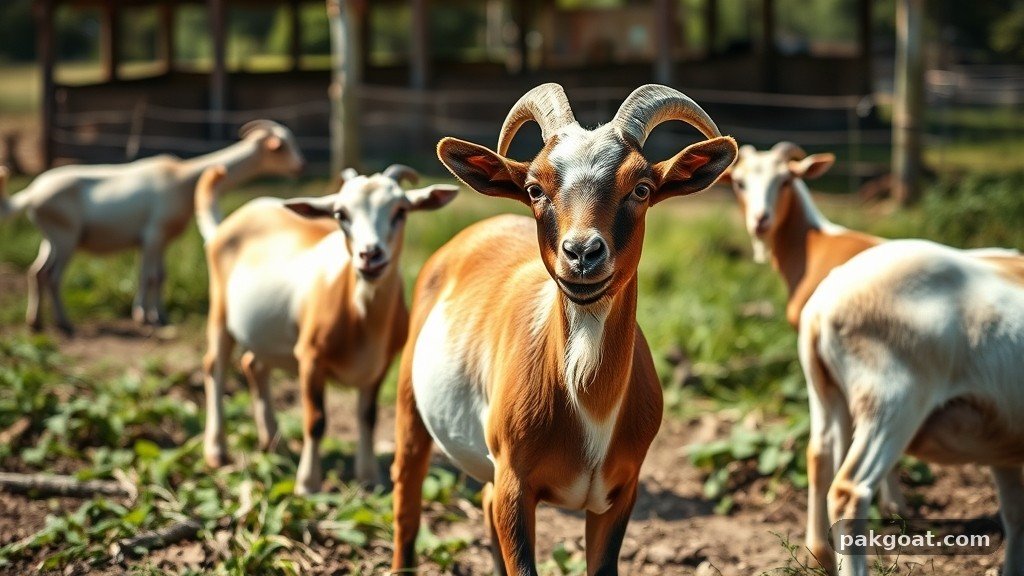
Selecting the right goat farming methods is the most critical decision a producer makes when establishing a commercial or homestead operation. Whether your goal involves dairy production, meat sales, or fiber harvesting, the system you choose dictates your daily labor, infrastructure costs, and overall profit margins. Beginners often find that intensive pasture management provides the highest return on investment by maximizing forage utilization while minimizing expensive supplemental feed costs.
How many goats can I keep on one acre?
You can typically keep between 6 and 10 goats per acre on high-quality, well-managed pasture. This figure assumes you are using rotational grazing rather than continuous turnout. If you rely solely on permanent, unimproved pasture, that number often drops to 2 or 3 goats per acre to prevent overgrazing and parasite buildup. Soil quality, climate, and the specific breed of goat heavily influence these numbers, so starting with a conservative stocking rate is always the safest approach for new farmers.
Rotational Grazing Systems
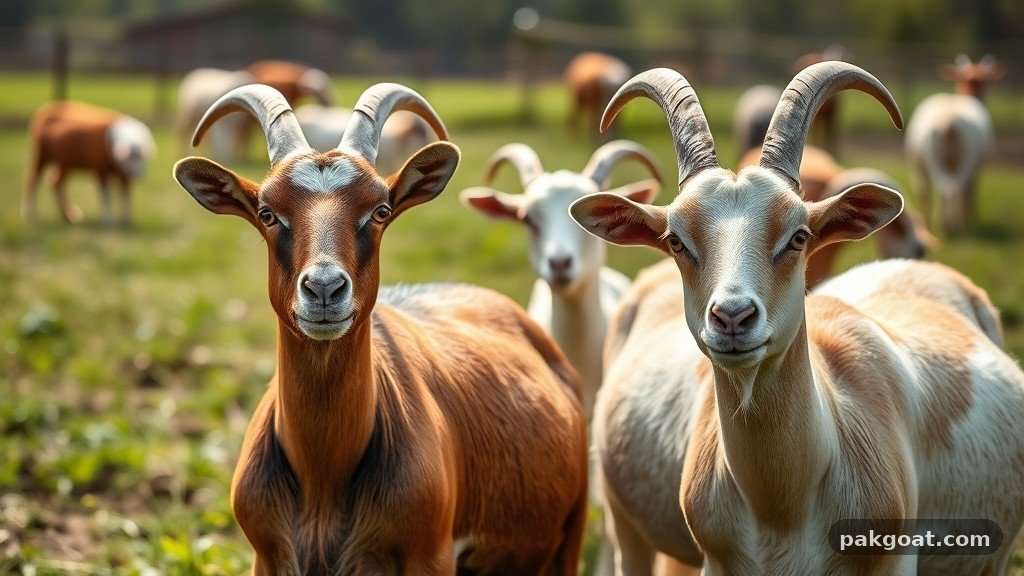
Rotational grazing is widely considered the gold standard among modern goat farming methods because it mimics natural herd behavior. By dividing a larger pasture into smaller paddocks using temporary electric fencing, you force the goats to consume forage evenly. This prevents them from repeatedly grazing the most palatable plants down to the dirt, which eventually kills off desirable grasses.
Moving the herd every 3 to 7 days also breaks the lifecycle of most internal parasites. Goat stomach worms, such as Haemonchus contortus, typically take about 21 days to complete their life cycle from egg to infective larvae.
By moving the goats to fresh ground before the larvae can migrate up the grass blades, you significantly reduce the need for chemical dewormers. This practice keeps the animals healthier and reduces the incidence of drug-resistant parasite strains.
Intensive Confinement and Dry Lotting
Some operations utilize dry lotting, which involves keeping goats in a confined area with limited access to pasture or no pasture at all. This method is common in regions with poor soil quality or when the producer focuses on high-volume meat production where feed efficiency is tracked strictly. You must provide all nutritional requirements through harvested hay, silage, or grain rations in this system.
While confinement reduces the risk of some predators and allows for easier monitoring of individual animal health, it increases your overhead costs. You will need to invest in robust infrastructure, including covered shelters, concrete pads for sanitation, and automated water systems. Furthermore, the buildup of manure in a dry lot requires a consistent waste management plan to prevent ammonia accumulation and fly outbreaks.
Comparing Production Systems
| Feature | Rotational Grazing | Dry Lotting |
| :— | :— | :— |
| Primary Feed | Live Forage | Hay/Grain |
| Labor Needs | High (daily moves) | Moderate (feeding/cleaning) |
| Parasite Risk | Low | Moderate (if not kept clean) |
| Infrastructure Cost | Low (fencing) | High (housing/equipment) |
| Land Requirement | High | Low |
Infrastructure and Housing Requirements
Regardless of your chosen production model, your housing must protect goats from wind, moisture, and predators. Goats are notoriously sensitive to cold drafts and damp conditions, which can quickly lead to pneumonia in kids. A simple three-sided shed oriented away from prevailing winds is usually sufficient in temperate climates.
Ensure your fencing is specifically designed for small ruminants, as standard cattle wire is often ineffective. Woven wire fencing with small squares prevents goats from getting their heads stuck or simply jumping through the gaps.
Many producers supplement this with two or three strands of high-tensile electric wire to deter predators like coyotes or stray dogs. For more technical guidance on health and biosecurity, visit the USDA Animal and Plant Health Inspection Service to review national standards for small ruminant care.
Health and Parasite Management
Managing health is the most labor-intensive part of goat farming methods. Goats are susceptible to a wide variety of ailments, ranging from foot rot in muddy conditions to copper deficiencies in certain soil types. Establishing a relationship with a large-animal veterinarian is vital, as you will need guidance on vaccination schedules and proper medication dosages.
FAMACHA scoring is a technique used by experienced farmers to identify anemia in goats caused by the barber pole worm. By checking the color of the lower eyelid, you can determine which goats need deworming and which are naturally resistant.
This selective treatment approach is essential for maintaining a healthy herd without overusing chemicals. Always keep detailed health records, noting dates of treatment, weight changes, and reproductive milestones for every individual animal.
Feeding and Nutritional Strategy
Goats are browsers, not grazers, which means they prefer shrubs, woody plants, and weeds over short, manicured grass. A successful nutritional strategy incorporates a mix of browse and forage to ensure the goats receive a balanced intake of protein and minerals. If your land lacks woody vegetation, you may need to provide supplemental high-quality alfalfa or grass hay to fill the gap.
Mineral supplementation is non-negotiable in goat farming. Goats require a specific balance of minerals, particularly copper, which is toxic to sheep but essential for goats.
Use a loose mineral mix rather than a pressed block, as goats often struggle to get enough intake from blocks due to their tongue structure. Provide clean, fresh water at all times, as goats will refuse to drink stagnant or dirty water, leading to rapid dehydration.
Record Keeping and Financial Tracking
You cannot improve what you do not measure, and this is especially true for goat operations. Successful farmers track inputs like feed costs, veterinary expenses, and labor hours against outputs like weight gain per animal or milk yield. This data allows you to identify your most profitable animals and cull those that are consistently underperforming.
- Reproductive Data: Track kidding dates, birth weights, and weaning weights to identify high-producing dams.
- Feed Costs: Monitor the cost per pound of gain to ensure you aren’t over-investing in expensive supplements.
- Mortality Rates: Document all losses to identify patterns in health or predator issues.
- Sales Records: Keep a ledger of market prices for meat or dairy products to time your production cycles for maximum profit.
Common Goat Farming Challenges
Predation is the most common reason for failure in new goat operations. If you live in an area with high populations of coyotes, bobcats, or foxes, you must invest in livestock guardian animals. Great Pyrenees, Anatolian Shepherds, and Maremma Sheepdogs are the most common breeds used to protect herds from nocturnal threats.
Another challenge is the volatile nature of the meat and dairy markets. If you are farming for profit, you must research your local demand before investing in a specific breed or infrastructure.
Many producers find success by selling directly to consumers or ethnic markets that specifically value goat products. Never assume that the market will come to you; prioritize building a local reputation for clean, consistent product quality.
Frequently Asked Questions
Is it profitable to have a goat farm?
Profitability is achievable but depends on your ability to control feed costs and manage health without expensive veterinary interventions. Most profitable farms focus on high-value niches, such as premium goat cheese or direct-to-consumer goat meat sales. It is rarely profitable to operate as a high-volume, low-margin producer against industrial-scale operations.
How fast can 10 goats clear an acre?
Ten goats can clear a heavily overgrown acre of brush and weeds in approximately 7 to 10 days. This rate of clearing is highly dependent on the density of the vegetation and the age of the goats. If the area is mostly grass, they will clear it much faster, but you risk overgrazing the soil if you don’t move them to a new paddock immediately.
How much land is needed for 100 goats?
For 100 goats, you need between 10 and 15 acres of high-quality, managed pasture to remain sustainable. If you rely on lower-quality land or continuous grazing, you may need as much as 40 to 50 acres to prevent environmental degradation. Always prioritize the health of your soil, as the land is your most valuable long-term asset.
What is the most important tool for a new goat farmer?
A high-quality, reliable fencing system is the most important tool for any new producer. Goats are natural escape artists, and a farm that cannot keep its animals contained will face constant stress, breeding issues, and potential loss to predators. Invest in woven wire or specialized electric fencing before you even purchase your first goat.
Do goats need a barn?
Goats do not necessarily need an expensive, enclosed barn, but they do require a dry, draft-free structure. In dry climates, a simple three-sided shelter is sufficient. In regions with harsh winters, you may need a fully enclosed structure to prevent cold stress, especially during the kidding season when newborns are most vulnerable.
Summary and Next Steps
Refining your approach to goat farming methods requires a balance of biological understanding and business discipline. Start by assessing your land’s carrying capacity and choosing a breed that matches your local climate and market goals. Implement a rotational grazing system early to protect your soil and minimize health costs, and always maintain rigorous records to guide your management decisions.
The most successful producers are those who prioritize animal health and environmental stewardship, as these factors directly correlate with long-term financial viability. Begin by visiting local producers or agricultural extension offices to see these systems in action before making major capital investments. By staying adaptable and continuing to learn, you can build a productive, sustainable operation that serves your community and your bottom line.
