

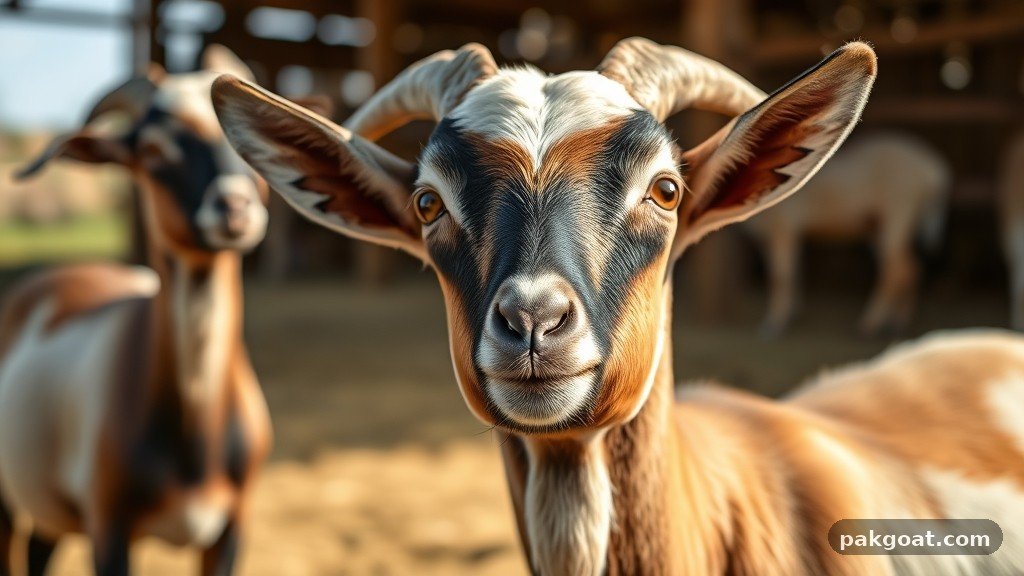
Starting a goat rearing business requires careful planning and a clear understanding of livestock management to turn a profit. Whether you are aiming for meat production, dairy products, or fiber, success depends on selecting the right breeds and maintaining high health standards. This industry offers significant opportunities for small-scale farmers to supply local markets with high-demand agricultural products.
By focusing on efficient feeding strategies and robust animal welfare, you can establish a sustainable operation. This article provides the essential insights into managing the operational, financial, and logistical aspects of your venture.
The profitability of a goat rearing business depends heavily on your chosen niche and your ability to manage overhead costs effectively. Most small-scale commercial operations report a net profit margin ranging from 15% to 30% once the herd reaches a mature, sustainable size. Beginners should expect to operate at a break-even point for the first 18 to 24 months as they invest in infrastructure and breeding stock.
Returns are highest when you diversify your revenue streams, such as selling milk, meat, and organic manure simultaneously. High-quality meat breeds like the Boer can fetch premium prices, while dairy breeds like the Saanen offer consistent daily income. You must track your expenses meticulously to ensure that feed and veterinary costs do not erode your margins.
Selecting the Right Breed for Your Goals
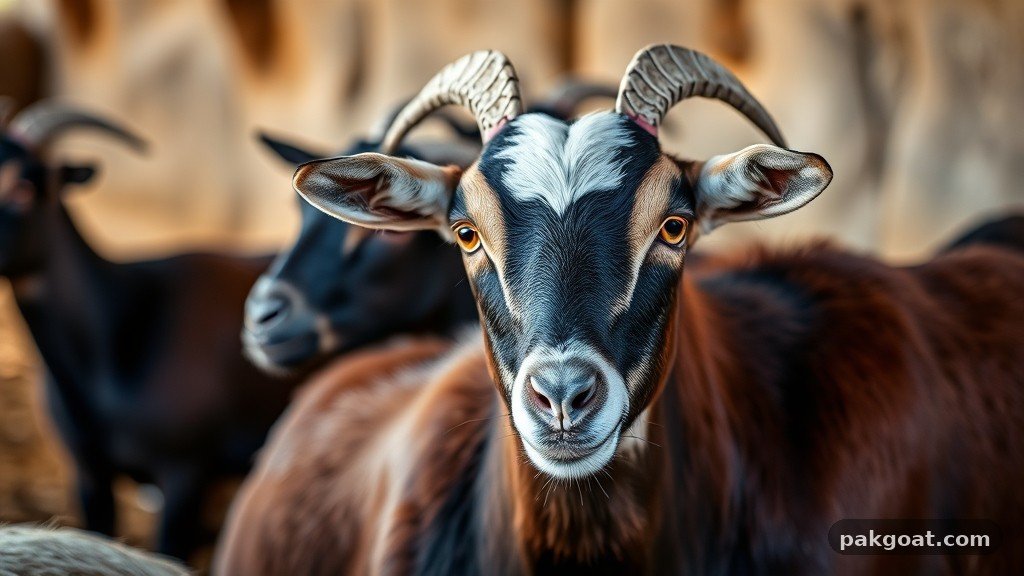
Choosing the correct breed is the most critical decision for any new goat rearing business. If your primary goal is meat production, the Boer goat is widely considered the industry standard due to its rapid growth rate and heavy muscle mass. For those focusing on dairy, breeds such as the Nubian or Alpine provide excellent milk yields with high butterfat content.
You should research local demand to see which products are currently underserved in your region. Crossbreeding local, disease-resistant goats with high-production breeds can often yield a herd that is both hardy and highly productive. Always purchase your initial stock from reputable breeders who provide health records and vaccination histories.
Space Requirements and Infrastructure
Managing the land requirements is essential for keeping your herd healthy and productive. A common rule of thumb is that you can comfortably house 6 to 10 goats per acre depending on the quality of the pasture and your supplemental feeding program. If you are keeping 100 goats, you should plan for at least 10 to 15 acres to allow for proper rotational grazing and to prevent overgrazing.
Rotational grazing prevents the buildup of internal parasites and ensures the land remains productive over the long term. Your infrastructure needs to include a dry, well-ventilated barn to protect the animals from extreme weather and predators. Fencing is another major initial cost, as goats are notorious for escaping; invest in high-tensile wire or woven wire fencing to keep them secure.
Feeding and Nutrition Strategies
Nutrition accounts for the largest portion of your operating budget, often consuming 60% to 70% of total variable costs. Goats are browsers rather than grazers, meaning they prefer shrubs, woody plants, and weeds over simple grass. You must provide a balanced diet that includes high-quality forage, hay, and a mineral supplement specifically designed for goats.
Copper, for example, is vital for goats, but you must be careful to avoid sheep mineral mixes, which can be toxic to them. Water availability is non-negotiable; a single lactating doe can drink up to 3 to 4 gallons of water per day in hot weather. Providing clean, fresh water at all times will directly correlate to your milk production and overall herd growth.
Health Management and Disease Prevention
A successful goat rearing business relies on proactive health management to minimize expensive veterinary interventions. You should establish a relationship with a local large-animal veterinarian who has experience with small ruminants. Common health issues include internal parasites, foot rot, and respiratory infections, all of which can be managed with a strict vaccination and deworming schedule.
Quarantine any new animals for at least 30 days before introducing them to your existing herd to prevent the spread of contagious diseases. Keep detailed medical logs for every animal, noting dates of vaccinations, treatments, and reproductive cycles. For more information on maintaining herd health, consult the USDA Animal and Plant Health Inspection Service for official guidelines.
Financial Projections and Market Analysis
Understanding the economics of your operation is vital for long-term viability. You should categorize your expenses into capital expenditures, such as fencing and housing, and operational expenses, such as feed, veterinary care, and labor. The table below outlines a typical startup cost structure for a small-scale farm.
| Expense Category | Estimated Startup Impact |
|---|---|
| Infrastructure (Barn/Fencing) | 40% |
| Initial Breeding Stock | 35% |
| Equipment (Feeders/Waterers) | 15% |
| Initial Feed/Veterinary Supply | 10% |
Monitoring these costs ensures you don’t overextend your resources during the early phases of growth. Revenue will fluctuate based on seasonal demand, particularly around major holidays when demand for goat meat often spikes. Build relationships with local butchers, farmers’ markets, and cheese producers to secure reliable buyers for your products.
Marketing Your Goat Products
Selling your livestock or dairy products requires a clear strategy to reach your target audience. If you are selling meat, you may choose to sell live animals at auction, sell directly to consumers, or supply local restaurants. Direct-to-consumer sales, such as selling meat cuts or artisanal goat cheese, usually yield the highest profit margins but require additional permits.
Use social media to showcase the quality of your farming practices, as consumers are increasingly interested in the origin of their food. Transparency about your feeding practices, such as pasture-raised or organic, can justify higher price points. Networking with other farmers through local agriculture cooperatives can also open up bulk feed discounts and shared marketing opportunities.
Common Pitfalls to Avoid
Many new owners fail because they underestimate the labor-intensive nature of a goat rearing business. Goats are intelligent and social animals that require daily attention, meaning you cannot simply set them up and walk away. Overstocking your land is another frequent mistake that leads to poor health outcomes and degraded soil quality.
Failing to keep accurate financial records makes it impossible to identify which animals are actually profitable and which ones are just costing you money. Always perform a cost-benefit analysis on every animal in your herd; if a doe consistently produces low milk yields or has a poor reproduction rate, she may be a liability. Consistent, incremental growth is almost always safer than a rapid, capital-heavy expansion.
Frequently Asked Questions
Is a goat rearing business profitable for beginners?
Yes, it can be quite profitable if you start small and focus on a specific niche, such as meat or milk. Success requires a solid business plan and an understanding of animal husbandry to keep overhead costs low.
How many goats should a beginner start with?
It is recommended to start with a small herd of 5 to 10 does and one buck. This allows you to learn the nuances of breeding and health management without being overwhelmed by the labor requirements of a large herd.
What is the most profitable goat breed to raise?
Profitability is subjective and depends on your market. The Boer goat is highly sought after for meat, while dairy breeds like the Nubian are prized for their high-butterfat milk, which is excellent for making cheese.
How much land do I need for 100 goats?
You generally need between 10 and 15 acres of quality pasture to support 100 goats. This space allows for effective rotational grazing, which is necessary to maintain soil health and minimize parasite issues.
What is the biggest expense in goat farming?
Feed is consistently the largest ongoing expense, often representing more than half of your total operational costs. Managing your own hay production or securing bulk feed contracts can significantly improve your profit margins.
The path to a successful goat rearing business is paved with consistent management and a commitment to animal health. By focusing on efficient grazing practices, selecting the right breeds for your local market, and maintaining detailed financial records, you can build a stable agricultural venture. Start small, monitor your expenses closely, and always prioritize the welfare of your herd to ensure long-term productivity.
As you gain experience, you will find that the demand for high-quality, ethically raised goat products continues to grow in many regions. With the right approach, your farm can become a reliable source of income and a rewarding lifestyle choice for years to come.
