

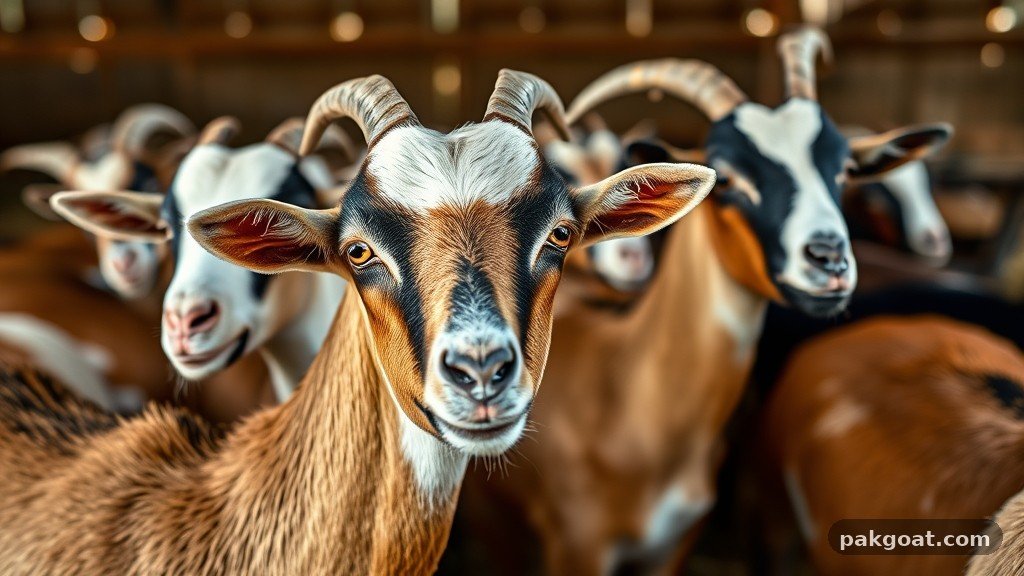
Practicing effective goat husbandry requires a blend of animal science, daily observation, and proactive health management. Whether you are raising goats for milk, meat, fiber, or simply as brush-clearing companions, understanding their specific physiological needs is the foundation of a productive herd.
The most critical aspect of goat husbandry is maintaining a clean, dry, and well-ventilated living environment. Goats are notoriously sensitive to respiratory issues caused by dampness and ammonia buildup in their housing. You should prioritize a shelter that keeps them off the cold ground and protected from drafts while ensuring that fresh air can circulate freely at the ceiling level.
Daily Nutritional Requirements for Healthy Goats
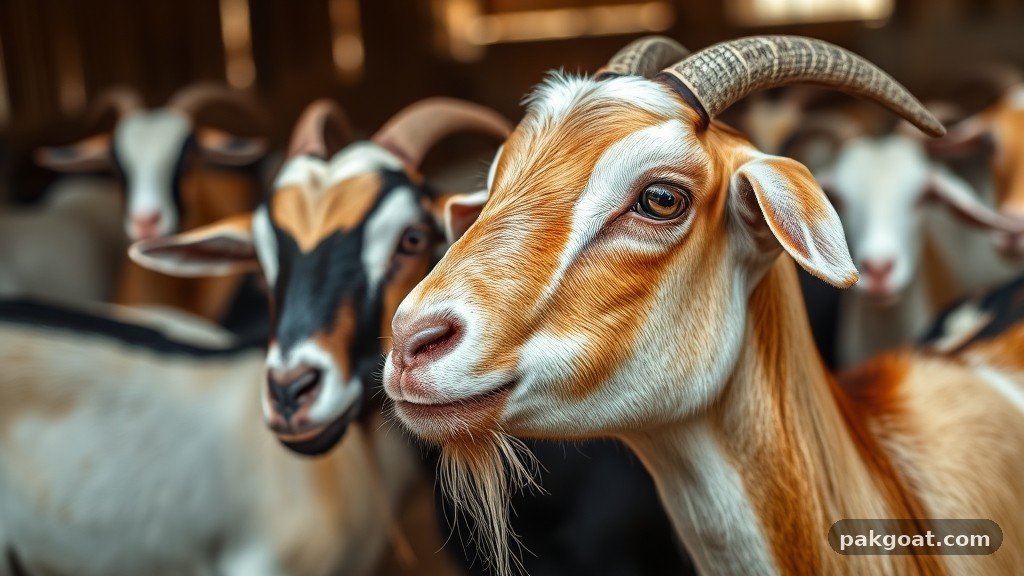
Goats are browsers, not grazers, meaning they prefer to eat leaves, twigs, and weeds rather than short grass. Providing them with high-quality forage is the primary component of a balanced diet. You must ensure they have access to clean hay or pasture at all times to keep their complex digestive systems moving correctly.
Mineral supplementation is a non-negotiable part of keeping your herd in peak condition. Unlike sheep, goats require specific minerals like copper to maintain healthy coats and strong immune systems. You should provide a loose, high-quality goat mineral mix rather than a pressed block, as most goats struggle to get enough from licking hard surfaces.
Water consumption is often overlooked, yet it remains the most vital nutrient. A lactating doe can consume several gallons of water a day, especially during hot summer months. You must keep water troughs scrubbed clean and filled with fresh, cool water to encourage consistent intake.
Managing Herd Health and Disease Prevention
Preventative care serves as the backbone of successful goat husbandry. You should establish a regular schedule for vaccinations, typically focusing on Clostridium perfringens types C and D, as well as tetanus. These diseases are common in many environments and can be fatal if not managed through routine boosters.
Parasite control represents the biggest challenge for most goat owners. Internal parasites, particularly Haemonchus contortus, or the barber pole worm, can quickly devastate a herd if left unchecked. You should learn to perform FAMACHA scoring, which involves checking the color of the inner eyelid to determine if an animal is anemic and requires deworming.
Biosecurity practices protect your existing animals from outside pathogens. When you bring new goats into your herd, always implement a strict quarantine period of at least 30 days. This practice allows you to monitor for signs of contagious illnesses like caseous lymphadenitis or caprine arthritis encephalitis before the new animal integrates with your healthy stock.
Infrastructure and Shelter Design
A well-designed goat barn should prioritize functionality over aesthetics. The floor should be sloped slightly to prevent water pooling and covered with deep bedding such as straw or wood shavings. This deep litter method provides insulation during the winter while keeping the goats comfortable and dry.
Fencing is another critical investment in goat husbandry. Goats are intelligent, agile, and persistent escape artists that will test any weak point in your perimeter. Woven wire fencing, often called “no-climb” fencing, is the gold standard because it prevents them from getting their heads stuck or pushing through the mesh.
You should divide your property into smaller paddocks to facilitate rotational grazing. Moving your goats to fresh pasture every few weeks helps break the life cycle of intestinal parasites. This method also allows your pastures to recover, ensuring that your goats always have access to high-quality, nutrient-dense forage.
Understanding Goat Reproductive Cycles
Managing a breeding program requires careful timing and record-keeping. Goats are seasonally polyestrous, meaning they typically cycle during the shorter days of late autumn and early winter. You should track the breeding dates of your does to anticipate kidding times accurately.
The gestation period for a goat is approximately 150 days. As the due date approaches, you should prepare a clean, private kidding pen. Having essential supplies on hand, such as iodine for navel dipping, towels, and a kid-safe colostrum replacer, can make a significant difference during a difficult birth.
Nutrition during late pregnancy is critical for both the doe and the developing kids. You must gradually increase the energy density of the diet to support fetal growth while preventing metabolic issues like pregnancy toxemia. After kidding, ensure the kids receive colostrum within the first few hours of life to build their passive immunity.
Selecting the Right Breed for Your Goals
Different goat breeds offer distinct advantages depending on your end goals. If your priority is dairy production, breeds like the Nubian or Alpine are known for their high milk yields and rich butterfat content. For those interested in meat production, the Boer goat remains the industry standard due to its rapid growth rate and muscular build.
Fiber production is another viable path for goat enthusiasts. Angora goats provide mohair, while Cashmere goats offer the highly prized, soft undercoat used in luxury textiles. You should research the specific grooming and shearing requirements for these breeds before committing to a fiber-focused operation.
The following table compares typical characteristics across major goat categories to help you decide which type best fits your farm management style:
| Breed Category | Primary Output | Management Intensity | Temperament |
|---|---|---|---|
| Dairy | Milk/Cheese | High | Docile/Interactive |
| Meat | Market Kids | Moderate | Hardy/Independent |
| Fiber | Mohair/Cashmere | High (Grooming) | Gentle |
| Pygmy/Miniature | Pets/Brush Control | Low | Playful |
Essential Tools for Daily Operations
Equipping yourself with the right tools saves time and reduces stress for both you and the goats. A sturdy set of hoof trimmers is perhaps the most important handheld tool you will own. Regular hoof maintenance is mandatory to prevent foot rot and lameness, which can severely impact an animal’s ability to forage.
You should also invest in a quality grooming kit, including stiff-bristled brushes and a metal comb. Grooming not only keeps the coat clean but also allows you to inspect the animal for skin issues, lice, or injuries that might otherwise go unnoticed. Developing a relationship with a local large animal veterinarian is also essential for emergency care.
Keeping accurate records is a hallmark of professional-level animal management. You should maintain a binder or digital log that tracks the following information for every goat in your herd:
- Individual identification numbers or names
- Birth dates and lineage records
- Vaccination and deworming dates
- Breeding and kidding history
- Milk production yields or growth weight milestones
- Medical treatments and antibiotic withdrawal periods
Frequently Asked Questions
How often should I trim my goats’ hooves?
Most goats require hoof trimming every 6 to 8 weeks, though this varies based on the terrain and the goat’s activity level. Goats kept on rocky or hard ground may wear their hooves down naturally, while those on soft pasture will need more frequent attention. If you see the hoof wall curling over the sole, it is time to trim.
What is the best way to introduce new goats to an existing herd?
The best approach is to keep the newcomer in a separate pen where they can see and smell the established herd without physical contact. After a week of visual introduction, you can allow supervised playtime in a neutral space. Always watch for signs of excessive bullying or aggression, as goats are hierarchical and will establish a new pecking order.
Are goats capable of living alone?
Goats are herd animals and suffer significant stress if kept in isolation. They require the companionship of at least one other goat to remain healthy and well-adjusted. If you cannot provide a second goat, you may find that a sheep or even a donkey can provide the necessary social interaction to keep your goat calm.
How do I know if my goat is sick?
A sick goat will often isolate itself from the rest of the herd and stop eating or ruminating. Watch for subtle signs such as a dull coat, drooping ears, or a change in manure consistency. You can find detailed health assessment guidelines through the eXtension Foundation, which offers research-based resources for livestock owners.
Can goats eat all types of garden waste?
While goats enjoy many plants, you must be careful to avoid toxic varieties like rhododendrons, azaleas, and wilted cherry leaves. Never feed them moldy hay or grain, as this can lead to severe digestive distress or poisoning. Always verify that any green waste you provide is safe for ruminants before tossing it into the pen.
Refining Your Management Strategy
Successful animal ownership is a continuous learning process that evolves as your herd grows. You will inevitably face challenges, but consistent attention to detail and a commitment to animal welfare will ensure your success. Focus on creating a stable environment where your goats can thrive, and the results will follow.
Goat husbandry is rewarding, but it demands patience and a willingness to stay informed. By keeping accurate records, managing your pastures effectively, and staying proactive with health care, you create a sustainable operation.
Reach out to local livestock associations or extension offices if you find yourself needing specific regional advice. Engaging with a community of fellow keepers is often the best way to gain practical wisdom and troubleshooting tips that you won’t find in any manual.
