

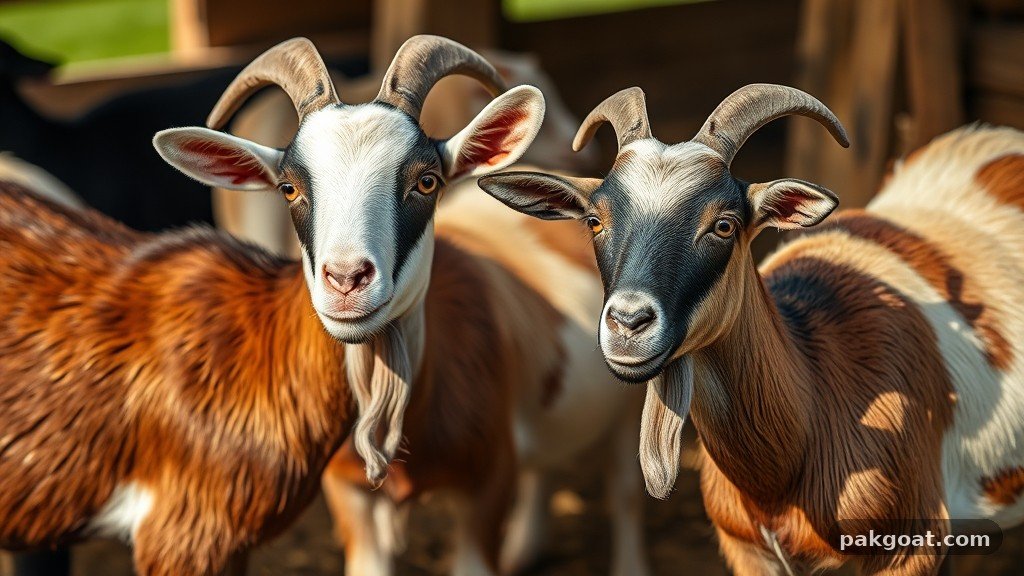
Keeping goats is a rewarding endeavor that provides families with fresh milk, natural land management, and engaging companionship. Successful stewardship requires understanding their specific dietary needs, social behaviors, and the infrastructure necessary to keep them secure and healthy. By planning your setup before bringing animals home, you ensure a productive and stress-free experience for both the herd and the owner.
The Initial Cost of Keeping Goats
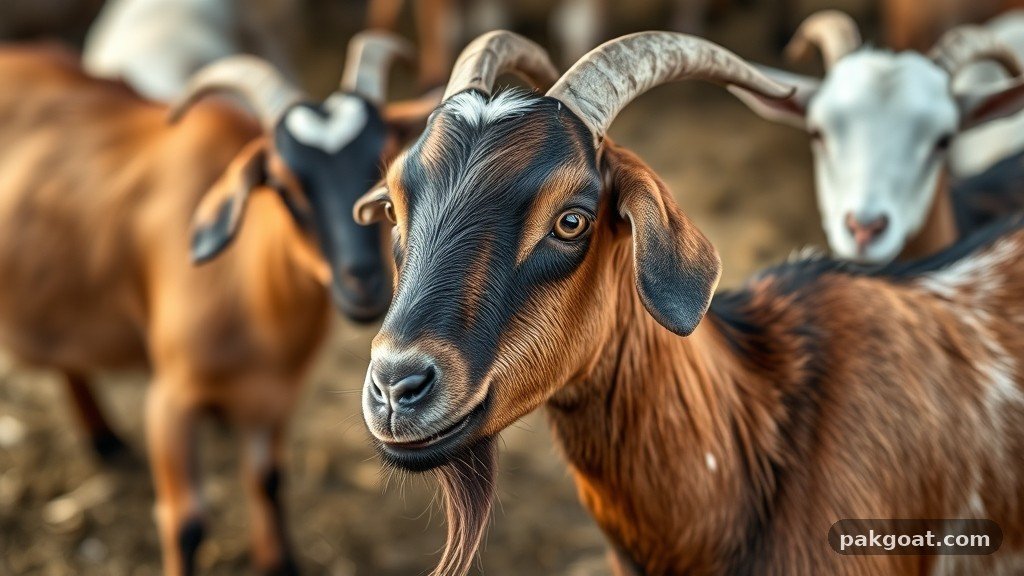
The cost of keeping goats varies significantly depending on your location, the breed you choose, and the level of self-sufficiency you aim for. A standard starter herd usually consists of two to three animals, as goats are social creatures that suffer when kept in isolation. You should expect to spend between $200 and $600 per goat for high-quality, healthy stock from a reputable breeder.
Beyond the purchase price, you must budget for essential infrastructure, including sturdy fencing and a secure shelter. Fencing is often the most expensive single investment, as goats are notorious for testing boundaries and escaping through small gaps. A quality woven-wire fence, which prevents heads from getting stuck, typically costs between $2.00 and $4.50 per linear foot.
Ongoing expenses include high-quality hay, loose minerals, and veterinary care. On average, a single goat requires approximately $300 to $500 annually for basic maintenance and supplemental feeding. These figures represent the base investment required to maintain a healthy, productive herd throughout the year.
Shelter and Housing Requirements
Goats are remarkably hardy, but they are highly sensitive to moisture and drafts. A draft-free, dry shelter is non-negotiable for their long-term respiratory health. You do not need an elaborate barn; a simple three-sided shed oriented away from prevailing winds is often sufficient.
The structure must provide at least 15 to 20 square feet of floor space per goat to prevent overcrowding and bullying. If you live in a region with heavy snowfall or extreme winters, ensure the roof is sloped steeply enough to shed ice. Use deep bedding, such as wood shavings or straw, to provide insulation from the cold ground.
Ventilation is just as important as protection from the elements. Moisture buildup inside a shed leads to ammonia accumulation, which can cause severe pneumonia. Keep the upper portions of your shelter open to allow fresh air to circulate without creating a direct breeze on the resting animals.
Nutritional Needs and Dietary Management
Understanding the dietary habits of your herd is the cornerstone of keeping goats effectively. Contrary to popular belief, they are not “garbage disposals” and have complex digestive systems that require high-quality forage. They are browsers, not grazers, meaning they prefer to eat leaves, shrubs, and weeds rather than just grass.
Your primary feed source should be high-quality hay, ideally alfalfa or a mix of orchard grass, depending on the age and production status of the goat. Providing a loose mineral supplement specifically formulated for goats is critical for preventing deficiencies. Never use sheep minerals, as the added copper in goat supplements can be toxic to sheep.
Water consumption is another vital component of their health. A single adult goat can drink between one and three gallons of water daily, depending on their size and the ambient temperature. Always keep water troughs scrubbed clean to prevent the buildup of algae or bacteria.
Common Dietary Requirements
- Forage: Access to browse like brambles, brush, and woody plants.
- Roughage: High-quality hay during winter or when pasture is depleted.
- Minerals: A dedicated, loose mineral mix available free-choice.
- Water: Fresh, clean water changed daily to encourage intake.
- Treats: Small amounts of fruits or vegetables used for training.
The Importance of Fencing and Security
When keeping goats, the quality of your fencing determines the success of your operation. Goats are intelligent and will exploit any weakness in a perimeter to access forbidden greenery. Woven wire or “no-climb” fencing is the industry standard for keeping them contained while preventing predators from entering.
Electric fencing is a popular and cost-effective alternative for rotational grazing. A two-strand or three-strand electric setup can effectively discourage goats from leaning on or jumping over barriers. You must keep the vegetation mowed under the wires to prevent the current from grounding out.
Predator control is a major concern for smallholders, especially in areas with coyotes, stray dogs, or bobcats. Many owners utilize livestock guardian dogs or donkeys to provide a layer of security. If you are interested in official guidelines on animal welfare and herd management, the USDA Animal and Plant Health Inspection Service provides comprehensive resources for small-scale operations.
Health and Preventative Maintenance
Maintaining a healthy herd requires proactive monitoring rather than waiting for signs of illness. You should establish a regular schedule for hoof trimming, which generally needs to be done every six to eight weeks. Overgrown hooves can lead to lameness and permanent structural damage.
Internal parasites are the most common health challenge for goats in humid climates. Developing a FAMACHA score system, which involves checking the color of the eyelid membranes to estimate anemia levels, helps you determine when to deworm. Never deworm indiscriminately, as this leads to drug-resistant parasite populations.
Vaccinations are another layer of defense you should implement. Most veterinarians recommend a CD&T vaccine, which protects against Clostridium perfringens types C and D, as well as Tetanus. Consult with a local large-animal veterinarian to create a vaccination protocol tailored to your specific region and environmental risks.
Standard Health Metrics
| Metric | Typical Range |
|---|---|
| Temperature | 101.5°F – 103.5°F |
| Heart Rate | 70 – 80 beats per minute |
| Respiration | 15 – 30 breaths per minute |
| Hoof Trimming | Every 6 – 8 weeks |
Managing Herd Dynamics
Goats are strictly herd animals that thrive on established social hierarchies. When you introduce new members to an existing group, expect a period of “butting” and dominance displays. This behavior is normal and usually settles within a few days, provided the individuals have enough space to move away from each other.
You must be aware of the temperament of your bucks, especially during the breeding season. Mature bucks can become aggressive and possessive, requiring careful handling and separate housing if you aren’t ready to manage breeding. Wethers, or castrated males, are generally much friendlier and make better pets for beginners.
Observation is your best tool for managing these social structures. Watch for signs of bullying, such as an animal being kept away from the feed trough or sleeping alone. Often, simply adding a second feeding station or a separate water bucket can resolve these conflicts immediately.
Frequently Asked Questions
Do goats need a lot of land?
Goats actually require less acreage than cattle or sheep because they are browsers. You can successfully keep two to four goats on as little as half an acre, provided you manage their grazing and provide supplemental hay.
Are goats difficult to keep healthy?
They require consistent, daily attention, but they aren’t inherently difficult if you prioritize their diet and shelter. Parasite management and hoof care are the two biggest tasks that you must stay on top of to ensure longevity.
Can I keep a single goat as a pet?
It is highly discouraged to keep a single goat. They are herd animals that experience extreme stress, depression, and vocal distress when isolated. You should always have at least two goats to ensure they remain calm and healthy.
How long do goats live?
A well-cared-for goat typically lives between 10 and 15 years. Factors like genetics, nutrition, and early detection of illnesses play a major role in how long your herd will remain productive and active.
Do goats eat everything?
They do not eat everything, and in fact, they can be quite picky. While they enjoy a wide variety of plants, they have sensitive stomachs and can be poisoned by certain ornamental plants like azaleas or rhododendrons.
Conclusion
Keeping goats is a commitment that balances hard work with tangible rewards. Whether you are interested in their milk production, their ability to clear overgrown brush, or simply their unique personalities, the initial setup is the most vital step. By focusing on secure housing, high-quality nutrition, and a proactive health schedule, you create an environment where your animals can thrive.
Success in this field comes from steady observation and a willingness to learn the specific needs of your herd. Start small, consult with local experts or experienced breeders, and prioritize the well-being of the animals above all else.
With the right foundation, managing a small herd becomes a routine and deeply satisfying part of your daily life. We hope this information helps you get started on your journey.
