

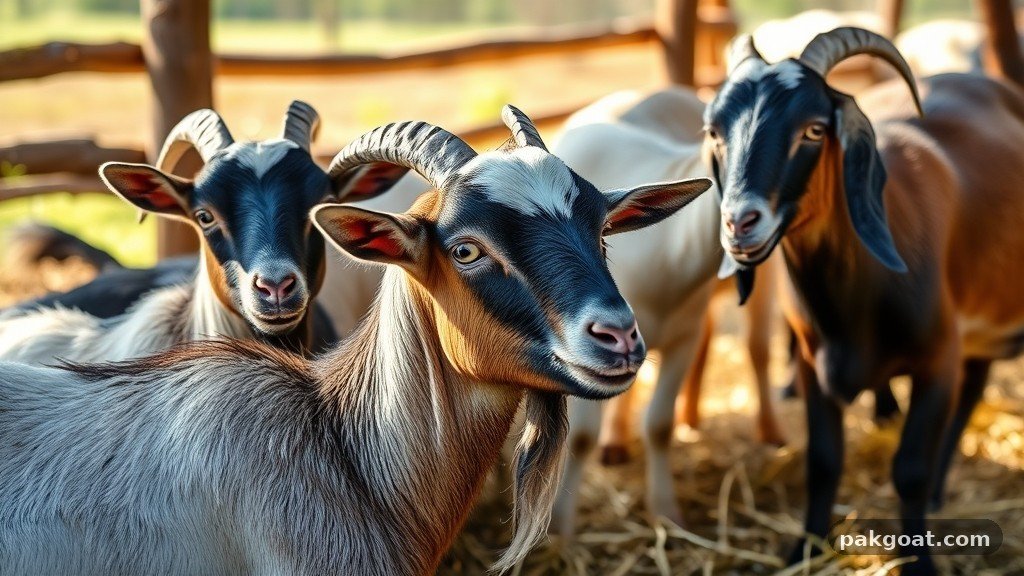
Raising goats for beginners is a rewarding endeavor that combines animal husbandry with practical self-sufficiency, though it requires careful preparation and a commitment to daily animal welfare. Whether you are interested in milk production, brush management, or simply companionship, understanding the fundamental needs of your herd is the first step toward success.
This article details the essential infrastructure, nutritional requirements, and health management protocols necessary to keep your goats thriving on your property. By focusing on consistent care and environment, you will find that managing these intelligent, curious creatures becomes a manageable and deeply satisfying part of your daily routine.
The most critical decision when starting your herd is determining your stocking rate and understanding the social nature of these animals. You should never keep a single goat, as they are herd animals that experience extreme stress and behavioral issues when isolated. For most smallholders, starting with two or three does is the ideal entry point.
This allows you to observe their health and behavior without the overwhelming complexity of managing a large, high-output commercial herd. A small group of three is often better than two, as it prevents one goat from becoming the sole target of bullying if a dominance hierarchy develops.
Essential Infrastructure for Your Herd
Goats are famous for their ability to escape, so your fencing must be robust and well-maintained. Woven wire fencing, often called “no-climb” fencing, is the gold standard for keeping goats contained while preventing predators from entering.
You should aim for a height of at least 48 inches, though 60 inches is safer if you are dealing with particularly athletic breeds or aggressive predators like coyotes. Avoid using barbed wire, as it can cause serious injuries to their skin and udders, leading to costly veterinary bills and unnecessary suffering.
Housing requirements are surprisingly simple, provided you prioritize dry, draft-free shelter. Goats are susceptible to respiratory issues if kept in damp or poorly ventilated conditions, so your barn or shed must have good airflow without blowing directly on the animals.
A three-sided structure facing away from the prevailing wind is usually sufficient in moderate climates. Ensure the floor is kept dry with straw or wood shavings, and perform a “muck out” at least once a week to prevent ammonia buildup.
Space and Shelter Requirements
* Bedding: Use clean straw, pine shavings, or sawdust to absorb moisture and provide insulation.
* Ventilation: High-level vents allow warm, moist air to escape without creating floor-level drafts.
* Perches: Goats love to jump and climb, so adding wooden platforms or stable stumps provides enrichment.
* Access: Ensure gates are equipped with double-latch mechanisms, as goats are clever enough to manipulate simple sliding bolts.
Nutritional Needs and Feeding Habits
Goats are browsers rather than grazers, meaning they prefer eating brush, weeds, and tree leaves over standard pasture grass. While they will eat grass, their natural inclination to browse means they are excellent at clearing overgrown areas of your property.
You must provide access to high-quality hay, especially during winter months or when natural forage is scarce. Alfalfa hay is a popular choice for milking does due to its high protein and calcium content, while grass hay is typically sufficient for wethers and dry does.
Mineral supplementation is a non-negotiable aspect of goat health that many novices overlook. Goats require a specific balance of copper, selenium, and zinc that is rarely found in sufficient quantities in regular pasture or hay. You must provide a loose, goat-specific mineral supplement in a protected feeder at all times.
Never use a sheep mineral block, as the copper content is toxic to sheep but essential for goats. Consult the Penn State Extension resources on goat nutrition to ensure you are meeting the specific metabolic needs of your particular breed and stage of life.
Managing Goat Health and Common Ailments
Maintaining a healthy herd requires a proactive approach rather than a reactive one. You should establish a relationship with a local large-animal veterinarian before you even bring your goats home.
Most common health issues in goats relate to parasite loads, particularly barber pole worms, which can be fatal if left untreated. Implementing a fecal egg count monitoring program is far more effective than blindly deworming your animals, as parasites are rapidly developing resistance to standard chemical treatments.
Foot rot and hoof issues are the second most common problem for beginners. Goats require regular hoof trimming, usually every six to eight weeks, depending on the terrain and the rate of growth.
If your goats spend most of their time on soft, wet pasture, their hooves will grow quickly and trap bacteria, leading to painful infections. Keep a sharp pair of hoof trimmers in your kit and learn the proper technique for leveling the hoof wall and cleaning the sole.
Understanding the Economics of Goat Keeping
When evaluating the financial side of raising goats, you must balance initial setup costs against the potential for self-sufficiency or small-scale profit. Your primary expenses will be fencing materials, shelter construction, and ongoing feed costs.
While goats can produce milk, meat, or fiber, these outputs often serve to offset the costs of ownership rather than providing a primary income source for small-scale beginners. The table below illustrates the typical cost categories you should expect in your first year.
| Expense Category | Initial Cost Estimate | Ongoing Annual Cost |
|---|---|---|
| Fencing/Infrastructure | $500 – $1,500 | $50 – $100 (Maintenance) |
| Feed (Hay/Grain) | $0 | $300 – $600 per goat |
| Veterinary/Supplies | $100 | $150 – $300 |
| Equipment (Hoof tools, etc.) | $150 | $20 |
Choosing the Right Breed for Your Goals
Selecting a breed should be dictated by your end goal, whether that is dairy production, meat, or land management. Nigerian Dwarf goats are a favorite for beginners because of their small size, manageable temperament, and high-butterfat milk production.
If you are interested in meat production, Boer goats are the industry standard due to their rapid growth rates and heavy muscling. For those who simply want pets or brush clearing, Kiko goats are known for their extreme hardiness and parasite resistance.
Do not be swayed by appearances alone when choosing your first animals. Temperament is arguably more important than breed standards, especially if you have children or limited experience handling livestock.
Always ask to see the parents of the goats you are considering purchasing. A calm, friendly dam usually produces offspring with a similar disposition, which will make your daily chores much easier as you learn the ropes.
Daily Care and Routine Maintenance
A successful daily routine for goat owners involves more than just throwing hay into a trough. You must check each goat individually every single morning for signs of illness, such as dull eyes, isolation from the herd, or unusual breathing.
Goats are experts at hiding symptoms until they are quite ill, so learning to identify subtle shifts in behavior is a vital skill. Spend at least 15 minutes interacting with them daily to build trust and ensure they remain manageable for health checks.
Water management is another daily necessity that often goes neglected. Goats are notoriously picky about their water and will refuse to drink if it is dirty or has algae growth.
Clean their water troughs daily, especially during summer months, to prevent the buildup of bacteria. If you live in a cold climate, you will also need to invest in a heated water bucket or a stock tank heater to ensure the water does not freeze, as dehydration is a common cause of urinary calculi in male goats.
Frequently Asked Questions
What is the most difficult thing about raising goats?
The most challenging aspect is managing internal parasites and maintaining strict hoof health. Because goats are browsers, they are naturally exposed to various pathogens in the soil, and they require a vigilant owner to monitor their FAMACHA scores and general condition to prevent serious illness.
How many goats should a beginner start with?
You should start with a minimum of two or three goats. Keeping a single goat is considered inhumane due to their need for social interaction, and a group of three provides better social stability than a pair, as it prevents one animal from being singled out.
Do goats need to be put away at night?
Yes, you should secure your goats in a predator-proof barn or stall every night. Predators such as coyotes, stray dogs, and bobcats are most active at night, and standard pasture fencing is rarely enough to stop a determined carnivore from entering an open field.
How long does it take for 10 goats to clear an acre?
The time required depends entirely on the density of the brush and the size of the goats, but a herd of 10 mature goats can typically clear an acre of heavy brush in about two to four weeks. They will prioritize the most palatable weeds and saplings first, so you may need to move them to a new area if the vegetation is sparse.
What is the best way to handle a goat that escapes?
The best method is to use positive reinforcement, such as a handful of grain or a specific treat, to lure them back into the pen. Never chase a goat, as this triggers their flight response and makes them more likely to run further away from the safety of their enclosure.
Building a Sustainable Future
Raising goats for beginners is a journey that evolves from basic survival to a sophisticated understanding of animal husbandry and land management. As you gain confidence, you will likely find that your initial anxiety about health and containment gives way to a deeper appreciation for the unique personality and utility of your herd. By focusing on the fundamentals—sturdy fencing, proper mineral balance, and daily observation—you create an environment where these animals can thrive.
Every hour spent learning their habits and refining your systems contributes to the long-term health of your property and the well-being of your goats. Start small, remain observant, and do not hesitate to reach out to local agricultural extension offices for region-specific advice as you grow your operation.
