

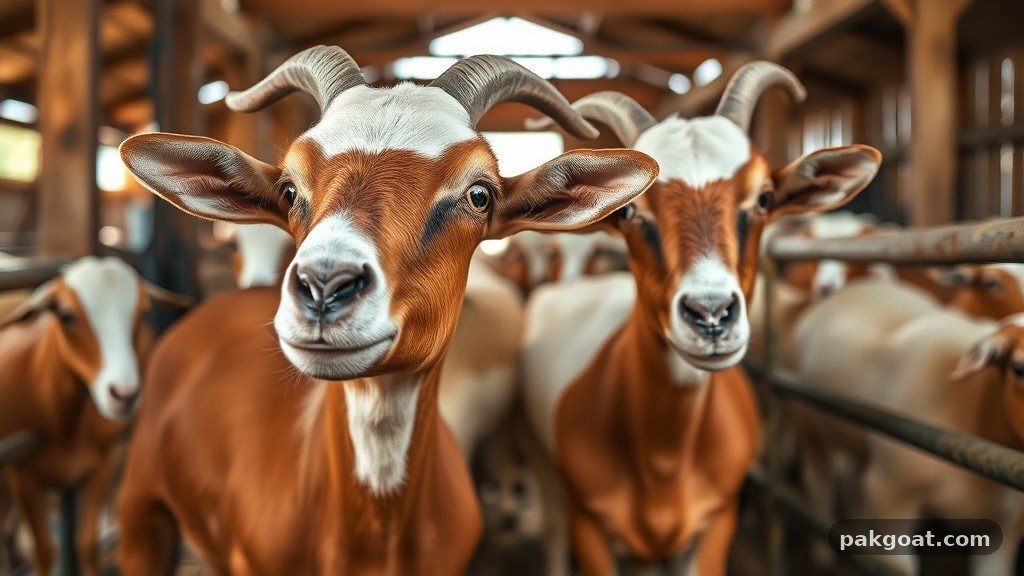
Engaging in goat keeping requires a balance of patience, physical labor, and a solid understanding of animal husbandry. Whether you are aiming for milk production, fiber, or simply clearing brush on your property, these animals offer unique benefits that few other livestock can match. Success in this field depends on your ability to provide consistent care and appropriate infrastructure.
The foundational question for most new owners is how much space and cost is associated with goat keeping. You should allocate at least 25 to 50 square feet of indoor shelter space per goat to ensure they remain healthy and stress-free.
For outdoor grazing, a minimum of one-tenth of an acre per goat is recommended if you are relying on pasture for a portion of their diet. Expect to spend between $200 and $500 annually per goat for basic feed, minerals, and routine veterinary care.
Infrastructure and Housing Requirements
Proper housing is the first line of defense against disease and predators. Goats are notoriously sensitive to moisture and drafts, meaning their barn must be dry and well-ventilated without being breezy. You can repurpose existing sheds, but they must be cleaned thoroughly to remove any lingering pathogens.
Fencing is arguably the most critical investment you will make. Goats are intelligent, curious, and excellent at finding weaknesses in barriers.
A standard woven-wire fence at least 48 inches high is generally sufficient to keep them contained. Avoid using barbed wire, as it can snag their coats and cause severe injuries.
Managing Interior Barn Conditions
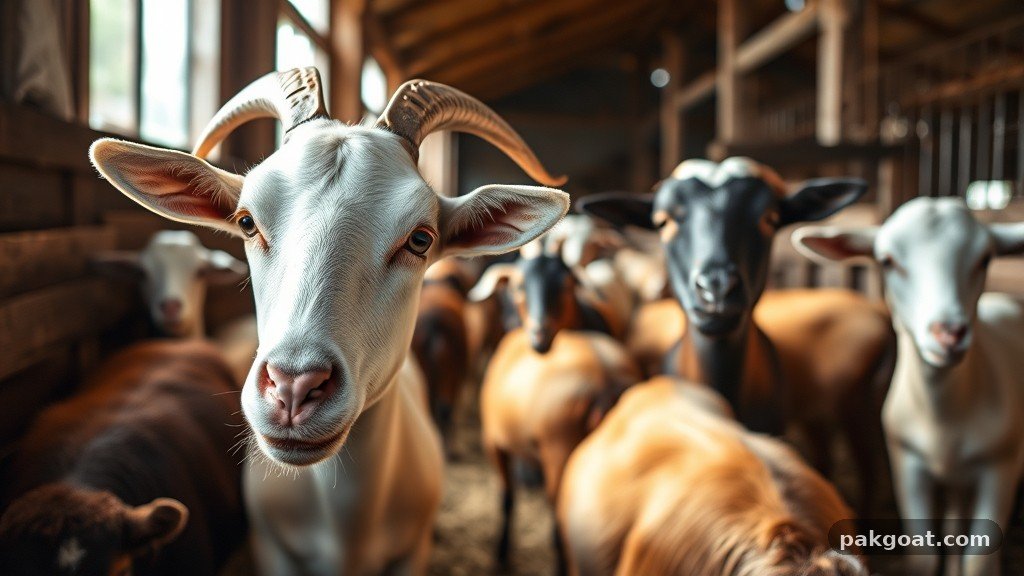
The floor of your shelter should be made of a material that drains well, such as packed dirt or crushed stone topped with deep bedding. Straw or wood shavings work best for absorbing moisture and keeping the goats comfortable during colder months. You must clean the bedding regularly to prevent the buildup of ammonia, which can damage their sensitive respiratory tracts.
Provide elevated platforms or benches inside the barn for the goats to sleep on. Goats prefer sleeping off the ground, and these structures help keep them away from damp bedding. Ensure these platforms are sturdy enough to support their weight and low enough to prevent injury if they jump off.
Nutritional Needs and Diet
Goats are browsers, not grazers, meaning they prefer eating leaves, weeds, and brush over standard pasture grass. While they will eat grass, their digestive systems are optimized for woody plants and broadleaf weeds. Providing a diverse diet is essential to their long-term health and productivity.
Always provide access to high-quality hay, especially during winter months when forage is unavailable. Alfalfa hay is a popular choice for milking does due to its high protein and calcium content. For wethers or dry does, a grass-hay mix is often safer to prevent urinary issues.
The Role of Minerals and Water
Fresh, clean water is non-negotiable for goat health. A single goat can drink up to 3 gallons of water per day, and this amount increases significantly during hot weather or lactation. Use heavy-duty troughs that cannot be easily tipped over or contaminated with manure.
Goats require specific mineral supplements to thrive, particularly copper. Unlike sheep, which can be poisoned by copper, goats have a high requirement for it to maintain healthy coats and immune systems. You should provide a loose mineral mix specifically formulated for goats rather than a generic block.
- Provide access to a loose mineral supplement designed for caprine use.
- Ensure hay is stored in a dry area to prevent mold growth.
- Rotate pastures to help break the life cycle of intestinal parasites.
- Monitor body condition scores regularly to adjust grain intake.
- Keep salt blocks available as a secondary mineral source.
Healthcare and Parasite Control
Parasite management is the most challenging aspect of goat keeping for many owners. Internal parasites, particularly the barber pole worm, can devastate a herd if not monitored closely. You should learn to perform a FAMACHA eye score check, which involves examining the color of the lower eyelid to assess anemia levels.
Regular hoof trimming is also mandatory to prevent foot rot and lameness. Depending on the terrain and the rate of growth, you should trim hooves every 6 to 8 weeks. Invest in a pair of high-quality, sharp hoof shears to make the process efficient and less stressful for the animal.
Establishing a Vet Relationship
Finding a local veterinarian who specializes in small ruminants is a vital step before you bring your first goat home. Not all rural vets are comfortable treating goats, so ask for recommendations from local agricultural extensions. You can find detailed resources on animal management through the USDA Animal and Plant Health Inspection Service to help guide your health protocols.
Keep a basic medical kit on hand that includes antiseptic spray, thermometer, electrolyte powder, and syringes. Being able to administer basic care can save your animal during an emergency before a professional can arrive. Always keep records of vaccinations, deworming dates, and any illnesses for each individual goat.
Understanding Goat Temperament
Goats are highly social creatures that should never be kept in isolation. A single goat will become depressed, vocal, and prone to destructive behavior if it does not have a companion. Aim to keep at least two goats, though a small herd of three or four is often more manageable for social stability.
They are also incredibly inquisitive animals that enjoy climbing and exploring their environment. Providing “goat toys” like large wooden spools, stumps, or ramps can keep them occupied and prevent them from chewing on your fencing. This natural curiosity makes them fun to interact with but also requires a high level of vigilance regarding safety.
Training and Handling
Working with your goats daily makes them easier to handle for health checks and milking. Spend time sitting in the pasture or barn to get them accustomed to your presence. Using food rewards can help build trust, but be careful not to encourage aggressive behavior like head-butting.
If you plan to milk your goats, start training them early by getting them comfortable on a milking stand. Even if they are just young kids, letting them hop onto the stand for a treat helps them view it as a positive space. This preparation drastically reduces the stress of the process once they reach maturity and begin producing milk.
Financial Considerations and ROI
The financial reality of goat keeping varies depending on whether you are raising them for hobby or production. While you might save money on dairy costs, the initial investment in fencing, shelter, and breeding stock can be substantial. Many owners find that the “return” is found in high-quality manure for gardens or the satisfaction of self-sufficiency.
| Expense Category | Estimated Monthly Cost | Notes |
|---|---|---|
| Quality Hay | $30 – $60 | Varies by local market prices |
| Grain/Minerals | $15 – $25 | Depends on production level |
| Vet/Medications | $10 – $20 | Budget for emergency needs |
| Bedding/Supplies | $10 – $15 | Dependent on barn size |
Scaling for Profit
If you intend to sell milk or cheese, you must research your local and state regulations thoroughly. Selling raw milk is heavily restricted in many jurisdictions, and you may need a commercial license to process dairy products for sale. Always check with your local health department to ensure you are compliant with all food safety standards.
Selling goat kids or breeding stock can also provide a supplemental income stream. High-quality, registered dairy or meat goats can command significant prices from other breeders. Focus on maintaining strong genetics and a clean health history to maximize the value of your offspring.
The Importance of Breed Selection
Choosing the right breed depends entirely on your specific goals for your herd. Dairy breeds like the Nubian or Alpine are known for their milk production but require more intensive management. Meat breeds such as the Kiko or Boer are hardier and generally more efficient at converting forage into body mass.
Consider the climate of your region when selecting your goats. Some breeds are better adapted to heat, while others have thicker coats that allow them to handle wet, cold winters with ease. Research the specific history of the breeds you are interested in to understand their temperament and common health issues.
Matching Breed to Purpose
If your primary goal is land management or clearing brush, smaller breeds like the Nigerian Dwarf or Pygmy goats can be effective. They are easier to handle than large dairy goats and have a high metabolism that keeps them motivated to forage. However, ensure your fencing is secure, as smaller goats can often squeeze through gaps that larger breeds cannot.
Always buy from reputable breeders who test their herds for common diseases like CAE (Caprine Arthritis Encephalitis) and CL (Caseous Lymphadenitis). These diseases are highly contagious and can be difficult to eradicate once they enter a herd. A small investment in disease-free stock will pay off significantly over the long term.
Common Challenges for Owners
One of the most frequent hurdles in goat keeping is the emotional toll of dealing with illness or predation. Goats are prey animals that often hide signs of sickness until they are quite advanced. You must be observant, checking your herd at least twice a day for any changes in appetite or behavior.
Predators such as coyotes, stray dogs, and bobcats can pose a serious threat, especially to young kids. A strong, secure barn that can be locked at night is essential. Many owners also employ livestock guardian dogs or donkeys to provide an extra layer of protection for their herd while they are out on pasture.
Environmental Factors
Weather extremes can also be difficult to manage, especially during kidding season. If you are breeding your goats, ensure that your kidding barn is warm and protected from the elements. Newborn kids are extremely susceptible to hypothermia and require immediate attention to ensure they are dry and nursing.
Finally, do not underestimate the amount of physical labor involved in keeping your facility clean. Removing manure, hauling water, and moving hay are daily tasks that require consistent effort. If you are not prepared for the physical demands, look into automated waterers or efficient feeding systems to reduce the workload.
Frequently Asked Questions
Is it difficult to milk a goat every day?
Milking a goat is a skill that requires practice and consistency, but it becomes routine quite quickly. Once you have a proper milking stand and a clean setup, the process for one goat usually takes about 10 to 15 minutes. The challenge lies in the commitment; you must milk at the same times every day to keep the doe’s production steady and prevent mastitis.
Do goats really eat everything?
Contrary to popular belief, goats do not eat everything; they are actually quite picky eaters. While they will investigate many items, they prefer high-quality forage, leaves, and bark. They will avoid plants that are dirty, moldy, or taste unpleasant, so it is important to keep their feeding areas clean and free of debris.
How do I know if my goat is sick?
A sick goat will often stand apart from the herd, have a dull coat, or exhibit a lack of appetite. You should check their temperature, which should be between 101.5 and 103.5 degrees Fahrenheit. If a goat is lethargic or stops chewing its cud, you should isolate it and contact your veterinarian immediately to prevent the potential spread of infection.
Can goats live with other farm animals?
Goats can live with other animals, but you must be careful with compatibility. They can share space with cows or horses, but they should never be kept with sheep without professional guidance on mineral management. Because sheep and goats have different mineral requirements, keeping them together often leads to one group suffering from toxicity or deficiency.
What is the best way to handle a stubborn goat?
Patience and positive reinforcement are the best tools for handling goats. Never use physical force or anger, as this will only make the animal fearful and harder to manage. Use treats like small pieces of carrot or special grains to encourage them onto the milking stand or into a transport crate, and always keep your movements calm and predictable.
Goat keeping is a rewarding pursuit that offers a unique connection to the land and the animals you care for. By focusing on proper infrastructure, nutritional balance, and proactive health management, you can build a thriving herd that meets your personal goals. Whether you are producing milk, clearing brush, or simply enjoying the company of these intelligent creatures, the effort you invest will be returned in the form of a healthy, productive, and engaging experience.
Start small, learn from local experts, and remain consistent with your daily care routines. With the right preparation, you can enjoy the many benefits that come with successful goat keeping for years to come.
