

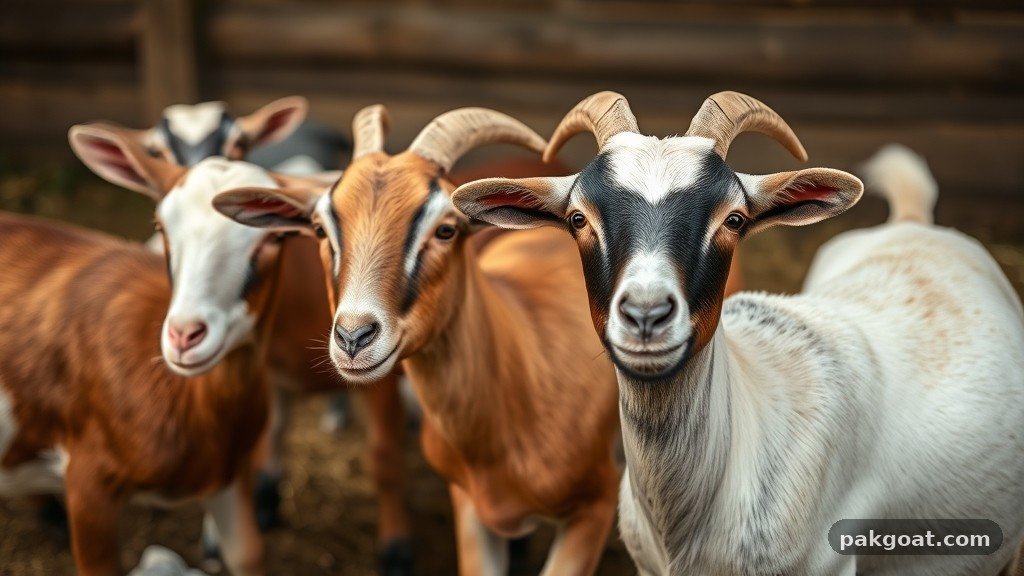
Raising goats serves as a rewarding venture for smallholders, offering a unique blend of companionship, sustainable food production, and land management. Whether you aim to produce fresh milk, clear stubborn brush, or simply enjoy the personality of these curious animals, success depends on understanding their specific biological and behavioral needs.
By focusing on proper shelter, nutrition, and routine healthcare, you can ensure your herd thrives in almost any environment. This article provides the essential insights needed to establish a healthy, productive flock while navigating the common challenges of livestock ownership.
Initial Costs and Setup Requirements
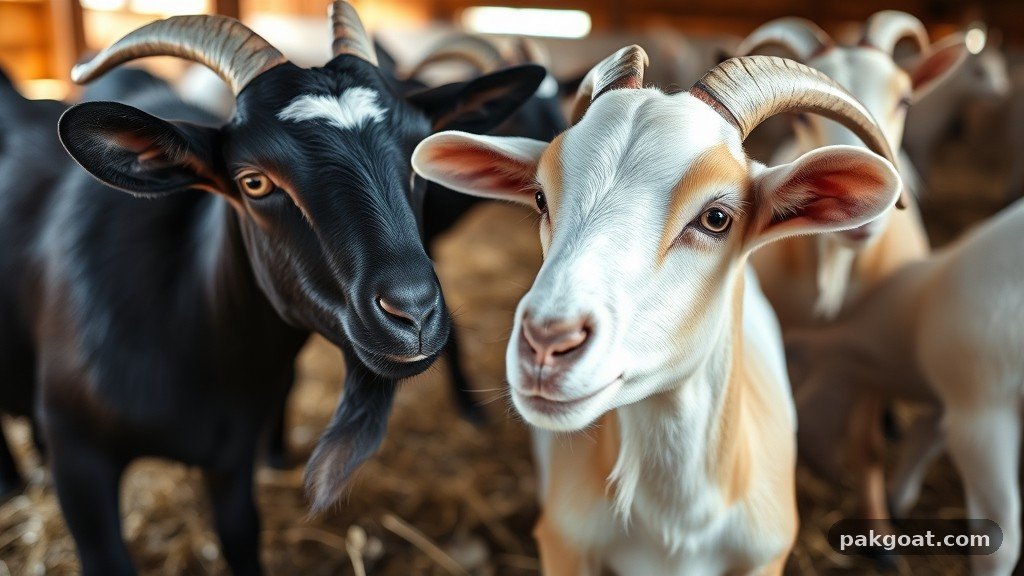
The financial commitment involved in raising goats varies significantly based on your goals and location. For a beginner, the primary investment goes toward fencing, housing, and the purchase of the animals themselves.
You should expect to spend between $200 and $500 per goat for high-quality, healthy stock from a reputable breeder. Do not overlook the cost of infrastructure, as goats are notorious escape artists that require robust containment systems.
Fencing is arguably your most critical expense. Standard barbed wire is insufficient, and many types of woven wire fencing will fail if the goats learn to jump or push through.
High-tensile, fixed-knot wire fencing at least 48 inches high is the industry standard for keeping your herd safe and contained. You must also budget for a dry, draft-free shelter that provides at least 15 square feet of interior space per goat.
Ongoing monthly expenses include high-quality hay, mineral supplements, and routine veterinary care. While goats can browse on weeds and brush, they require supplemental forage or hay during winter months or when pasture quality declines.
A single goat typically consumes 2 to 4 pounds of hay daily, depending on their size and breed. Factor in the cost of a specialized mineral block, as goats have different copper requirements than sheep and can suffer from toxicity if given the wrong supplement.
Understanding Herd Dynamics
Goats are inherently social, herd-oriented animals that suffer from extreme stress when kept in isolation. You should never attempt to keep a single goat; they require the company of at least one other goat to remain mentally healthy and physically active.
A small herd of three to five goats is often the ideal starting point for a beginner. This size allows for natural social hierarchy without overwhelming your available land or resources.
When establishing your herd, consider the temperament and maturity of the animals. Does (females) are generally easier for beginners to handle than bucks (intact males).
Bucks can become aggressive during breeding season and often carry a strong odor that is difficult to manage on a small property. If you do not plan on breeding your animals, consider keeping a group of wethers (castrated males) or does for milk production.
Hierarchy in a goat herd is established through head-butting, pushing, and vocalization. You will notice a “queen” of the herd who leads the group to grazing spots and sets the pace for movement.
Watch for excessive bullying, which can prevent lower-ranking goats from accessing food or water. Ensure you have multiple feeding and watering stations to minimize competition if you notice one goat consistently dominating others.
Nutritional Needs and Foraging Habits
Contrary to popular belief, goats are not “garbage disposals” that will thrive on tin cans or scraps. They are browsers by nature, preferring to eat leaves, weeds, shrubs, and bark rather than grazing low to the ground like sheep or cattle.
This behavior makes them excellent for clearing overgrown land. However, you must provide a balanced diet to prevent health issues like bloat or urinary calculi.
The cornerstone of a goat’s diet is high-quality forage and clean, dry hay. During the growing season, a well-managed pasture can provide most of their nutritional requirements.
If your land lacks sufficient browse, you must provide hay consistently. Always ensure they have access to clean, fresh water, as goats are notoriously picky and will refuse to drink water that has been contaminated by manure or debris.
Mineral supplementation is non-negotiable for long-term health. Goats require specific levels of copper, selenium, and zinc that are often missing from standard commercial feed.
Consult with a local agricultural extension office or the USDA Animal and Plant Health Inspection Service to learn about the common mineral deficiencies in your specific region. Providing a loose mineral mix rather than a pressed block can encourage consistent intake throughout the day.
Shelter and Housing Design
Your goat housing does not need to be expensive or elaborate, but it must be functional. The primary goal of any goat barn or shed is to keep the animals dry and protected from wind.
Goats are highly susceptible to respiratory infections if they are forced to sleep in damp, drafty, or ammonia-heavy environments. A simple three-sided structure facing away from the prevailing wind is often sufficient in mild climates.
Bedding management is essential for maintaining hygiene and preventing foot rot. Straw or wood shavings are the most common options, though they must be kept dry and replaced regularly.
If you use the “deep litter” method, where you layer new bedding over old material, ensure the floor remains dry to prevent the buildup of bacteria. Poorly managed bedding is a leading cause of hoof issues and mastitis in dairy goats.
Ventilation is just as important as protection from the elements. A completely sealed building can trap moisture, leading to mold growth and respiratory distress.
Ensure your shelter has high-level vents to allow hot, humid air to escape without creating a draft at the level where the goats sleep. If you live in an area with heavy snowfall, ensure your roof structure can support the weight and that the entrance remains clear of drifts.
Health Management and Preventive Care
Proactive health management is the hallmark of successful livestock ownership. Goats are prone to internal parasites, particularly stomach worms, which can be devastating if left untreated.
Implement a fecal egg count monitoring program rather than relying solely on blanket deworming. Over-treating with chemical dewormers has led to widespread resistance, making it harder to manage parasite loads in modern herds.
Foot care is another essential routine task. You should trim your goats’ hooves every six to eight weeks to prevent overgrowth, which can lead to lameness and bacterial infections.
Use sharp hoof shears and keep a bottle of antiseptic spray on hand for any accidental nicks. A sturdy milking stand or trimming station can make this task much easier and safer for both you and the animal.
Vaccinations provide a baseline of protection against common diseases like enterotoxemia and tetanus. Most veterinarians recommend a CD&T vaccine, typically administered to kids at eight to twelve weeks of age with a booster three weeks later.
Keep a detailed medical log for every goat in your herd, noting dates of vaccinations, deworming, and any observed health changes. This documentation is invaluable if you ever need to consult a veterinarian or sell a goat to another producer.
Comparing Goat Breeds by Purpose
Choosing the right breed depends on your primary goal, whether it is milk, meat, fiber, or land management. Different breeds have been developed over centuries to excel in specific roles. The following table provides a quick reference for common goat classifications and their primary output.
| Breed Category | Primary Purpose | Key Characteristics |
|---|---|---|
| Dairy | Milk Production | High volume, steady temperament, requires daily milking. |
| Meat | Meat Production | Muscular, rapid growth, hardy in various climates. |
| Fiber | Wool/Cashmere | Produces fine hair or fleece, requires seasonal shearing. |
| Pygmy/Mini | Pets/Maintenance | Smaller footprint, manageable size, excellent brush clearers. |
Dairy goats, such as the Alpine or Nubian, are productive but require a significant time commitment for twice-daily milking. If your goal is meat production, breeds like the Boer are favored for their ability to gain weight efficiently on pasture.
Fiber goats, such as the Angora, require specific grooming and shearing schedules to keep their coats clean and healthy. Always research the specific breed standards and local availability before making a purchase.
Common Challenges and Risks
Raising goats is not without its difficulties, and beginners should be prepared for the realities of livestock management. Predator control is a major concern in many areas, as goats are vulnerable to coyotes, stray dogs, and bobcats.
A guardian animal, such as a Great Pyrenees or a donkey, can provide effective protection, but these animals require their own training and care. Electric fencing is also a popular deterrent for predators.
Poisonous plants are a silent threat in many pastures. Goats are curious and will often sample vegetation that is toxic to them, such as rhododendrons, azaleas, or wild cherry trees.
Walk your perimeter regularly to identify and remove any toxic flora. If you suspect your goat has ingested a poisonous plant, contact a veterinarian immediately, as symptoms can progress rapidly.
Finally, consider the time commitment involved in daily chores. You must check on your herd at least once a day, regardless of the weather.
If you plan to travel, you need a reliable backup person who understands the basics of goat behavior and can identify a sick or injured animal. Being prepared for these challenges will ensure your experience remains positive and productive.
Frequently Asked Questions
How difficult is it to raise goats for a beginner?
Raising goats is moderately difficult but highly manageable with proper research. The biggest hurdles are building secure fencing and learning to spot early signs of illness, as goats are masters at hiding discomfort. If you start with a small, healthy herd and invest time in daily observation, you will find the learning curve manageable.
How many goats should I start with?
You should start with at least two, but three is often better for a balanced social dynamic. Keeping a group of three provides a safety net if one goat becomes ill or needs to be separated. Avoid starting with a large herd until you have mastered the basics of nutrition, health, and fencing.
Do goats need to be put away at night?
Yes, it is strongly recommended to lock goats in a secure, predator-proof shelter every night. Even in areas with few known predators, nocturnal animals can easily breach standard fencing. A secure barn also provides protection from sudden temperature drops and severe weather events.
What are the primary disadvantages of keeping goats?
The main drawbacks include the high cost of adequate fencing, the constant threat of internal parasites, and the time commitment required for daily care. Goats can also be destructive to gardens and landscaping if they are not properly contained. Additionally, they require specialized veterinary care that can be difficult to find in some rural areas.
Can I raise goats for profit?
Yes, profitability is possible, but it usually requires a niche market such as artisan goat cheese, high-quality fiber, or breeding stock. Raising goats solely for commodity meat or milk on a small scale is rarely lucrative due to the high input costs of feed and supplies. Most small-scale owners find the most value in personal food security and land management.
The journey of raising goats requires patience, observation, and a willingness to learn from the animals themselves. By prioritizing secure infrastructure, proper nutrition, and consistent health checks, you create a sustainable environment for your herd to flourish. Whether you are clearing land or producing your own dairy, the rewards of small-scale farming are tangible and deeply satisfying.
Start small, focus on the fundamentals of animal welfare, and don’t hesitate to reach out to local agricultural communities for guidance as you grow. With the right preparation, your experience with raising goats will prove to be a productive and enjoyable way to connect with the land.
