

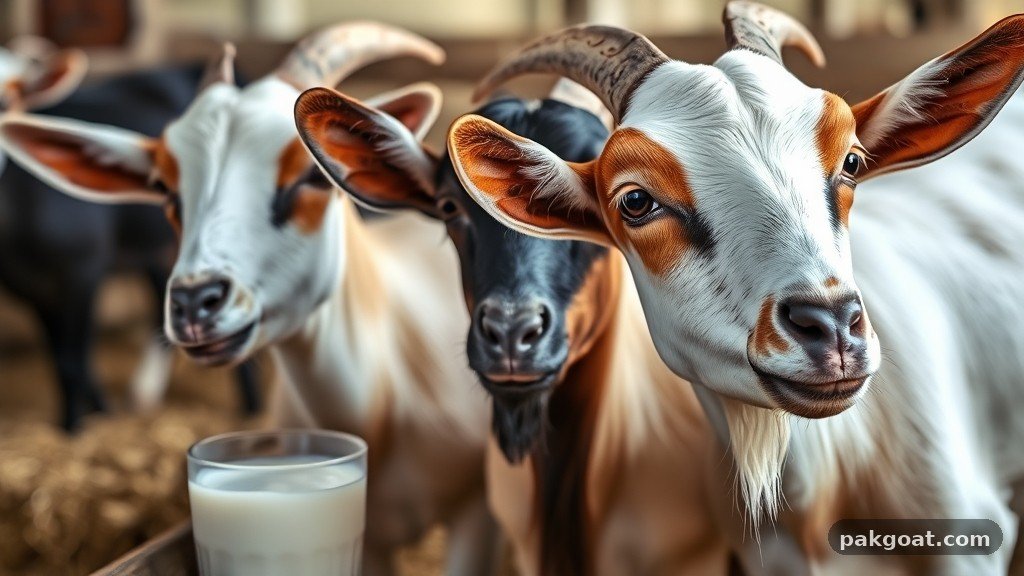
Raising goats for milk is a rewarding endeavor that bridges the gap between self-sufficiency and agricultural production. Whether you are seeking a sustainable source of nutrition for your family or looking to start a small-scale dairy operation, understanding the commitment required is essential.
By focusing on breed selection, nutrition, and daily management, you can successfully integrate these animals into your homestead. This article provides the foundational knowledge necessary to manage a healthy dairy herd and produce high-quality milk consistently throughout the year.
Most homesteaders want to know the bottom-line production figures before investing in livestock. A healthy, well-managed dairy goat typically produces between one and three gallons of milk per day. This output depends heavily on the breed, the stage of lactation, and the quality of forage provided.
High-production breeds like the Alpine or Saanen often hit the upper end of this spectrum, while smaller breeds like the Nigerian Dwarf produce less total volume but higher butterfat content. You should expect an average lactation cycle to last about 305 days per year.
Selecting the Right Dairy Breed
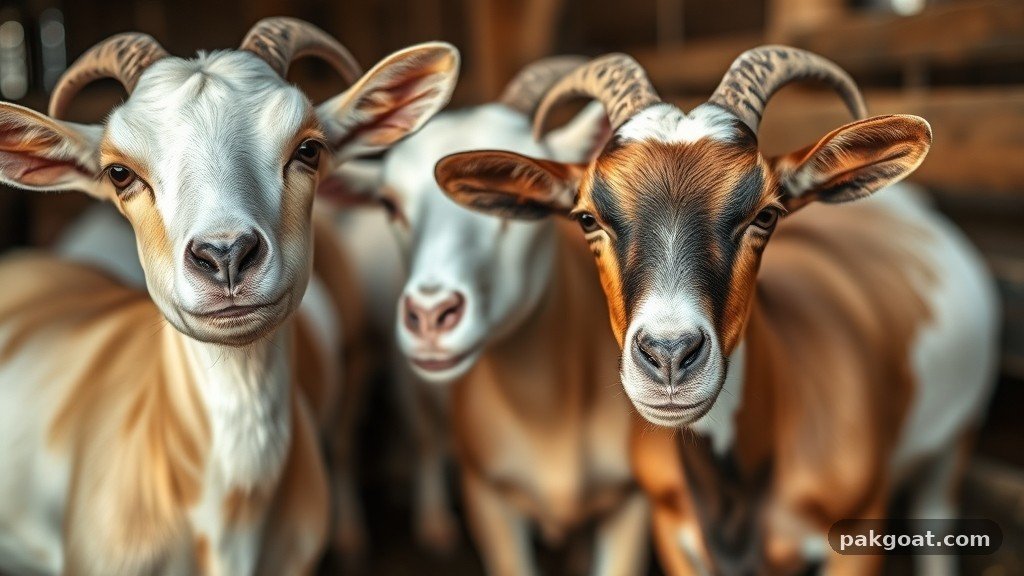
Choosing the right breed is the most significant decision you will make when starting out. If your primary goal is volume, you should investigate breeds known for high yields.
Saanens are frequently called the “Holsteins of the goat world” due to their consistent, high-volume production. They are generally calm and handle the rigors of twice-daily milking quite well.
For those with limited space, the Nigerian Dwarf is an excellent alternative. While they produce significantly less milk by volume, their milk is exceptionally rich, often containing 6% to 10% butterfat.
This makes them ideal for making cheese, yogurt, or butter in smaller quantities. Nubians are another popular choice because they offer a middle ground, producing a decent volume of milk that is also high in butterfat.
Daily Management and Milking Routine
Consistency is the cornerstone of successful dairy operations. Goats are creatures of habit and thrive on a rigid schedule.
You must milk your does at the same time every morning and evening to maintain production levels. Irregular timing can lead to stress, which directly impacts the quantity and quality of the milk.
Hygiene during the milking process is non-negotiable. Always wash your hands thoroughly and clean the goat’s teats with an approved udder wash before you begin.
Using a strip cup allows you to check for signs of mastitis, such as clumps or discolored milk, before it enters your collection pail. Keeping your milking area clean and free of dust reduces the risk of bacterial contamination in your final product.
Nutritional Requirements for Milk Production
A goat’s ability to produce milk is directly tied to the quality of fuel it consumes. You cannot expect high yields from an animal grazing on poor-quality pasture alone.
Dairy goats require a balanced diet of high-quality hay, fresh water, and a specifically formulated dairy ration. Alfalfa hay is the gold standard for dairy goats because it provides the necessary protein and calcium levels to support lactation.
Mineral supplementation is equally vital for long-term health. Goats are prone to copper deficiencies, which can cause poor coat condition and reduced fertility.
Providing a loose mineral mix specifically designed for goats ensures they get the necessary trace elements. Access to clean water must be constant, as a lactating doe will drink significantly more than a dry doe or a buck.
Infrastructure and Housing Needs
You do not need a massive barn to start raising goats for milk, but you do need a dry, draft-free shelter. Goats are notoriously sensitive to moisture and will develop respiratory issues if kept in damp conditions.
A simple three-sided shed facing away from the prevailing wind is often sufficient in moderate climates. Ensure the floor is elevated or well-drained to keep the bedding dry.
Fencing is perhaps the most significant infrastructure expense. Goats are notorious escape artists and require sturdy barriers to keep them contained and safe from predators.
Woven wire fencing is generally the most effective option, as it prevents them from poking their heads through and getting stuck. You should also consider a dedicated milking stand, which makes the act of milking much safer and more ergonomic for both you and the animal.
Health and Veterinary Care
Maintaining a healthy herd requires proactive veterinary care and observation. You should establish a relationship with a local large-animal veterinarian before you even bring your first goat home.
Common health issues include internal parasites, which can decimate production if left unchecked. Implementing a fecal testing program helps you avoid over-treating with dewormers, which leads to resistance.
Hoof care is another routine task that cannot be ignored. You will need to trim your goats’ hooves every six to eight weeks to prevent lameness and infections like foot rot.
Keep a basic medical kit on hand that includes supplies for treating minor wounds, thermometer, and antiseptic sprays. You can find detailed resources on herd health protocols through the University of Minnesota Extension livestock pages.
Financial Considerations and Costs
The cost of entry varies based on your location and the quality of stock you purchase. A registered dairy doe with a proven pedigree will cost significantly more than a grade animal.
However, the investment in good genetics often pays off in better health, temperament, and lifetime milk production. You must also account for the hidden costs of feed, bedding, and veterinary supplies.
| Expense Category | Estimated Annual Range |
|---|---|
| Quality Hay | $200 – $400 per goat |
| Grain and Supplements | $150 – $300 per goat |
| Vet/Medical Supplies | $50 – $150 per goat |
| Bedding/Maintenance | $100 – $200 per goat |
Common Challenges for Beginners
Raising goats for milk is not without its difficulties. The most common struggle for beginners is managing the breeding cycle.
A goat must be bred and give birth to a kid before she will produce milk, meaning you must plan for kidding season carefully. This cycle often results in a “dry” period where you will have no milk for several months unless you stagger the breeding of multiple does.
Handling the kids is another logistical hurdle. You must decide whether you will bottle-feed the kids or let them nurse, as this dictates how much milk you have left over for your own use.
Bottle-feeding takes a significant amount of time but results in friendlier, more manageable animals. Letting them nurse is easier on the farmer but makes it harder to track exactly how much milk the doe is producing.
- Stagger breeding dates to ensure a year-round milk supply.
- Invest in a high-quality milking stand to save your back.
- Keep detailed records of health, breeding, and production for every animal.
- Build a predator-proof enclosure to ensure the safety of your herd at night.
- Learn to make shelf-stable products like cheese to manage milk surpluses.
Frequently Asked Questions
How many acres does one goat need?
While goats can technically survive on very small plots, a general rule of thumb for sustainable management is one acre for every 4 to 6 goats. This allows for rotational grazing, which is critical for parasite control and pasture health. If you have less land, you will need to rely more heavily on stored hay and supplemental feeding.
Can you drink goat milk straight from the goat?
Technically, yes, but it is highly recommended to chill it immediately and pasteurize it if you are concerned about pathogens. Raw milk carries risks such as E. coli, Salmonella, and Listeria, which can be introduced during the milking process. If you choose to drink it raw, strict hygiene practices during milking are absolutely essential.
Are dairy goats profitable for small farms?
Profitability depends on your ability to add value to the raw product. Selling raw milk is restricted in many jurisdictions, so most small farmers turn their milk into cheese, yogurt, or soap. When you sell these value-added goods at farmers’ markets, the margins are much higher than selling raw milk alone.
Why is goat milk considered easier to digest?
Goat milk has smaller fat globules and a different protein structure compared to cow milk, which many people find easier to break down. It also contains lower levels of alpha-S1 casein, which is the protein often responsible for cow milk allergies. This makes it a popular choice for those with mild dairy sensitivities.
How do I handle a goat that kicks during milking?
Kicking is usually a response to stress, discomfort, or simply being unaccustomed to the routine. Use a milking stand with a headlock to keep the goat secure and provide a small amount of grain during the process to create a positive association. With patience and consistent handling, most goats eventually settle into the routine without needing physical restraints.
Raising goats for milk is a journey that requires patience, physical labor, and a willingness to learn animal husbandry. You will find that the bond you form with your herd becomes as rewarding as the dairy products you harvest. By focusing on proper nutrition, consistent milking hygiene, and smart management practices, you can create a sustainable source of food for your household.
Remember that starting small is the best way to develop the skills needed to manage a larger herd effectively. As you gain confidence, you can refine your techniques and expand your operations to meet your specific goals. If you are prepared to put in the daily effort, the rewards of high-quality, home-produced dairy are well worth the investment.
