

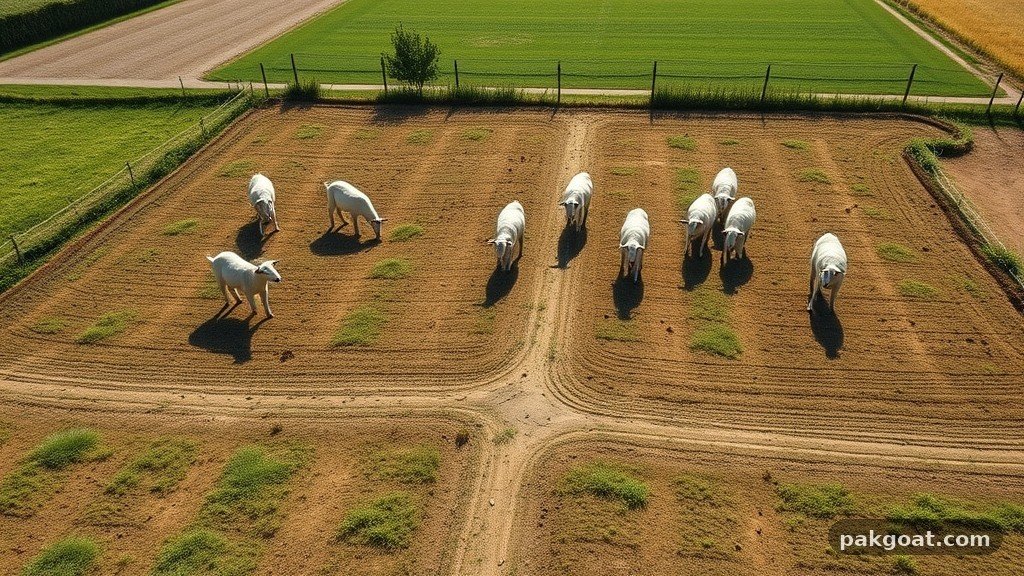
Designing an effective goat farm layout requires balancing animal welfare, labor efficiency, and biosecurity. A well-planned facility minimizes daily travel distance for the farmer while ensuring that animals have adequate space, ventilation, and protection from the elements. By mapping out zones for housing, grazing, and waste management, you can prevent common operational bottlenecks that lead to increased disease risk and higher labor costs.
The most critical factor in a functional goat farm layout is the separation of clean zones from waste management areas. You should aim for a flow that moves from storage to housing, and finally to pasture, without crossing paths with manure handling routes.
A standard rule of thumb for housing space is to provide 12 to 15 square feet per mature goat in a bedded pack system. If you utilize elevated flooring, this requirement can drop slightly, though cleaning processes become more intensive.
Zoning and Flow Patterns
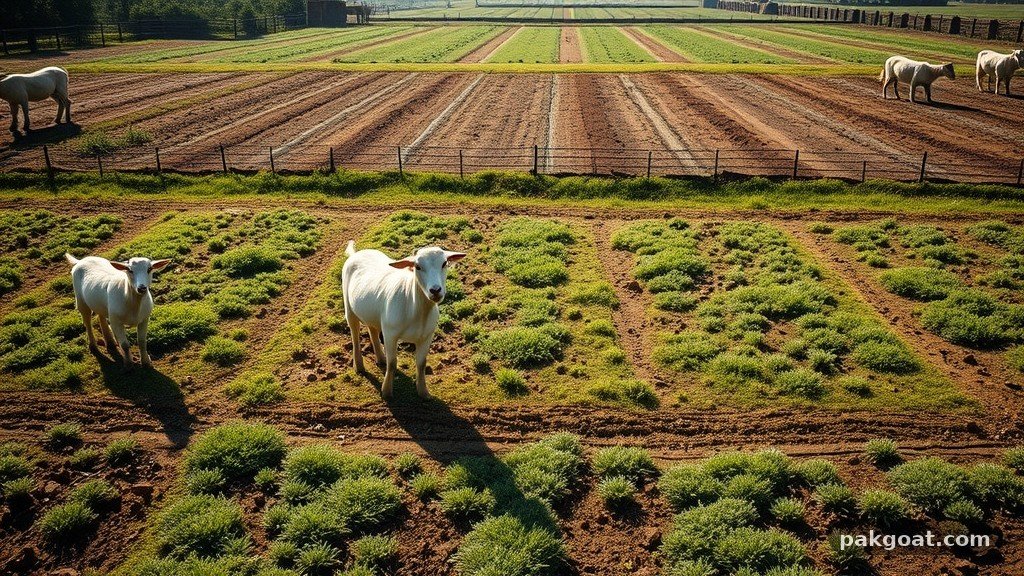
Organizing your farm into functional zones is the primary step in creating a productive environment. The main barn should be centrally located to provide easy access to all paddocks. Ideally, the milking parlor, if you are running a dairy operation, sits at the front of the barn to allow for quick transport of milk to the processing area.
Keep your feed storage area dry and separate from animal living quarters to prevent contamination and rodent infestation. A dedicated quarantine area must be positioned at the perimeter of the main barn or in a separate building entirely. This ensures that new arrivals or sick individuals do not interact with the main herd until they are cleared by a veterinarian.
Pasture Rotation and Fencing
Your grazing layout dictates the long-term health of your soil and the parasite load of your herd. Using a permanent perimeter fence with flexible interior electric netting allows you to divide pastures into smaller segments. This practice, known as rotational grazing, prevents overgrazing and disrupts the life cycle of common internal parasites.
A central lane or “alleyway” running through the middle of your pasture system is a massive time-saver. By designing this access point, you can move goats between paddocks without needing to navigate through thick brush or across uneven terrain. Ensure that water troughs are placed at the intersection of multiple paddocks to minimize the amount of piping required for irrigation.
Shelter Design and Ventilation
Goats are notoriously sensitive to moisture and drafts, making proper shelter design a cornerstone of your layout. A three-sided structure facing away from prevailing winds is often sufficient in mild climates. However, in regions with harsh winters, a fully enclosed barn with adjustable windows is necessary for survival.
Ventilation is more important than pure heat retention for adult goats. High ceilings or ridge vents allow ammonia and moisture to escape, which is vital for preventing respiratory issues like pneumonia. If you notice condensation on the ceiling or walls, your current ventilation setup is inadequate and needs immediate modification.
Waste Management Integration
Manure management is often the most neglected aspect of farm planning, yet it dictates the daily chore load. A concrete pad located at the edge of the farmyard serves as a primary composting area. This location should be downwind from the barn and far enough from any water sources to prevent runoff contamination.
You should design your stalls with removable panels to allow for mechanical cleaning. Using a skid steer or a small tractor to muck out the barn once or twice a year is significantly more efficient than manual labor. Incorporating a slight slope into the barn floor toward a drainage channel can also keep the bedding pack drier for longer periods.
Essential Infrastructure Components
Every successful farm needs a set of core structures to function smoothly. The following table outlines the minimum space and utility requirements for a standard herd of 20 goats.
| Component | Space Requirement | Purpose |
|---|---|---|
| Primary Shelter | 250–300 sq. ft. | Bedding and protection |
| Quarantine Pen | 50–80 sq. ft. | Isolation and health monitoring |
| Feed Storage | 100 sq. ft. | Dry hay and supplement storage |
| Milking/Work Area | 60 sq. ft. | Handling and health checks |
Safety and Biosecurity Protocols
Biosecurity starts with the physical barriers you put in place. A sturdy, 4-foot-high woven wire fence is the industry standard for keeping goats contained and predators out. You should also consider adding a top strand of electric wire to deter climbing predators like coyotes or stray dogs.
Keep your tool shed and equipment storage locked and away from the goats. Goats are curious animals that will chew on anything, including power cords, chemical containers, and loose hardware. Creating a “goat-free” zone for your machinery ensures that your equipment remains in working order for longer.
Managing Herd Growth
As your operation scales, your initial layout may need to adapt to accommodate higher numbers. Planning for future expansion is much easier than retrofitting an existing barn. Leave enough open space around your primary structures to add extra stalls or a larger hay shed without disrupting the existing flow.
* Design gates that are wide enough for a wheelbarrow or small tractor to pass through easily.
* Install water hydrants at every major corner of the farm to reduce hose dragging.
* Use non-slip materials for flooring in high-traffic areas to prevent hoof injuries.
* Ensure all electrical outlets are encased in conduit to prevent damage from chewing.
You can find more detailed information on livestock facility planning through the eXtension Foundation, which offers resources on agricultural management and safety.
Frequently Asked Questions
How many goats can fit on one acre of land?
The number of goats per acre depends heavily on your region’s rainfall and forage quality. As a general rule, you can sustain 6 to 8 mature goats on one acre of high-quality pasture if you practice intensive rotational grazing. If the land is arid or poorly managed, this number can drop to 2 or 3 per acre to avoid total vegetative depletion.
Should my goat shelter be elevated off the ground?
Elevating a shelter is not strictly necessary, but it is highly beneficial in areas with heavy rainfall or poor drainage. An elevated floor allows for better airflow beneath the structure, which helps keep the bedding dry and reduces the risk of foot rot. If you choose to build on the ground, ensure the site is slightly elevated above the surrounding grade to prevent water pooling.
How do I determine the best location for a barn?
The best location for your barn is on high, well-draining ground that is easily accessible from a main road. You want to avoid low-lying areas where water collects, as these spots will become mud pits during the rainy season. Ensure the site has access to electricity and a reliable water source to simplify daily chores.
What is the most efficient way to handle manure?
The most efficient method is a “deep litter” system combined with semi-annual mechanical removal. By layering fresh bedding over old manure, you create a heat-generating pack that keeps the goats warm in winter. Once or twice a year, use a front-end loader to clear the entire barn, which is far faster than daily hand-mucking.
How much space do I need for 50 goats?
For a herd of 50 goats, you will need approximately 600 to 750 square feet of interior barn space for sleeping and loafing. This assumes a bedded pack system where goats can huddle together. You will also need significantly more acreage for pasture, typically 6 to 10 acres depending on the productivity of your soil, to provide adequate nutrition.
Conclusion
Establishing a functional goat farm layout requires foresight and a clear understanding of your herd’s daily needs. By prioritizing logical movement patterns, proper ventilation, and easy access to water and feed, you create a sustainable environment that supports animal health. Remember that your infrastructure should serve your workflow, not complicate it.
Regularly evaluate your space as your herd grows to identify bottlenecks before they become major problems. Small adjustments to fencing or gate placement can lead to significant time savings over the course of a year. If you keep your layout simple and focused on the basics of safety and efficiency, you will find that managing your farm becomes a much more rewarding and manageable endeavor.
