

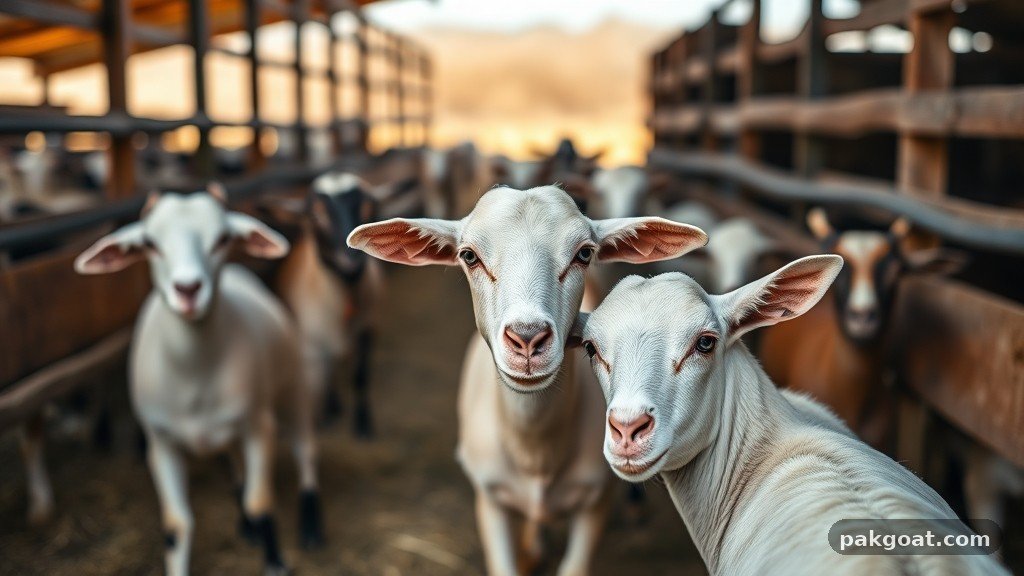
Effective goat farm management relies on balancing animal welfare with strict financial oversight to ensure long-term viability. By focusing on nutrition, herd health, and infrastructure planning, you can transform a small operation into a sustainable agricultural enterprise. Understanding the specific space, feed, and medical requirements of your animals is the primary step in building a profitable herd.
Profitability and Stocking Density
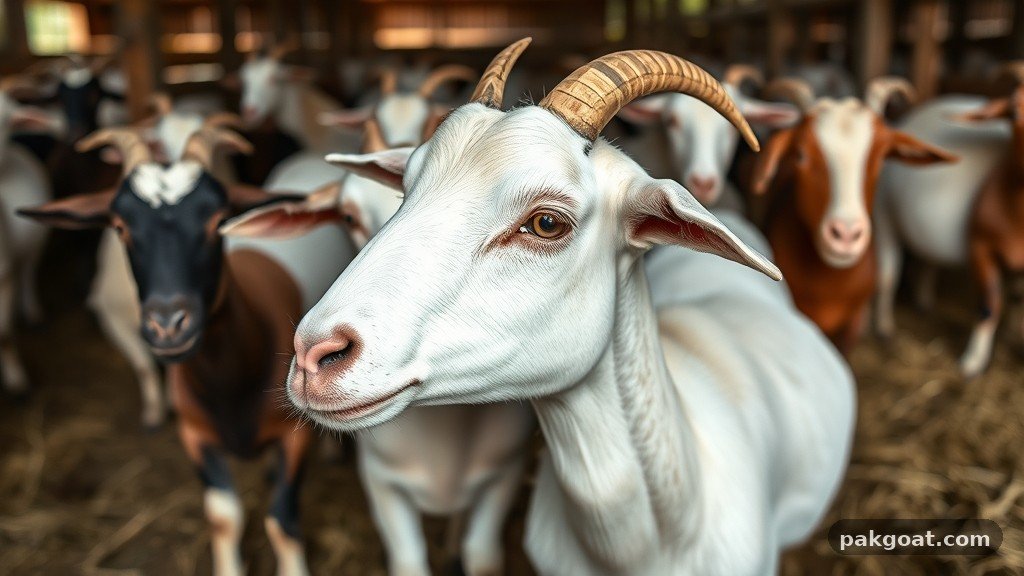
Many producers ask if owning a goat farm is profitable. The answer depends heavily on your scale, market niche, and ability to manage overhead costs. Small-scale operations often struggle with fixed costs, but those focusing on high-value products like artisanal cheese or cashmere wool often see better margins. You generally need at least 0.5 to 1 acre per 10 to 15 goats, depending on pasture quality and the use of supplemental feeding. Intensive grazing systems can lower your land requirements, but they increase your labor and management intensity.
Foundational Infrastructure
Successful goat farm management starts with the physical layout of your facility. You need sturdy fencing to keep your herd contained and predators out. Woven wire fencing, at least 48 inches high, is the industry standard for preventing escapes. Goats are notorious for testing boundaries, so inspect your perimeter monthly for structural weaknesses.
Housing requirements are surprisingly modest compared to other livestock. A simple three-sided shed that protects animals from wind and moisture is sufficient in most climates.
You should provide approximately 10 to 15 square feet of indoor space per adult goat. Ensure the shelter stays dry, as goats are highly susceptible to respiratory issues caused by damp bedding or poor ventilation.
Nutritional Requirements
Goats are browsers, not grazers, meaning they prefer shrubs, weeds, and tree leaves over standard pasture grass. Your management strategy must account for this natural behavior to keep them healthy. A high-quality diet for a lactating doe requires roughly 16% to 18% crude protein. Supplementing with high-quality alfalfa hay during winter months is standard practice for maintaining body condition.
Water is the most overlooked nutrient in many operations. A single adult goat can drink between 1 to 3 gallons of water daily, depending on temperature and lactation status.
Always provide clean, fresh water, as goats will refuse to drink stagnant or fouled sources. Installing automatic waterers can save significant labor time as your herd size grows.
Herd Health Protocols
The number one cause of death in goats is often related to internal parasites, specifically the barber pole worm. Effective parasite management is the backbone of any successful goat farm. You should perform regular FAMACHA scoring to monitor anemia levels in your herd. This involves checking the mucous membranes of the eye against a color-coded chart to determine if deworming is necessary.
Vaccination schedules must be tailored to your specific region and local disease pressure. Most veterinarians recommend at least an annual CD/T vaccination to protect against Clostridium perfringens types C and D, as well as tetanus. Keep a dedicated medical log for every animal, noting dates of treatment, dosages, and withdrawal periods.
Economic Comparisons
| Expense Category | Estimated Monthly Cost (10 Goats) | Priority Level | | :— | :— | :— | | Supplemental Feed | $150 – $250 | High | | Routine Veterinary Care | $40 – $70 | Medium | | Fencing Maintenance | $20 – $50 | Low | | Mineral Supplements | $15 – $30 | High | | Bedding Materials | $30 – $60 | Medium |
Record Keeping Systems
You cannot manage what you do not measure. A robust record-keeping system is vital for identifying your most productive does and your highest-cost bucks. Many modern farmers use digital tools to track breeding dates, kidding intervals, and weight gain. If digital apps feel overwhelming, a simple physical binder with individual animal cards works just as well.
Key data points to record include:
-
- Date of breeding and expected kidding date
-
- Birth weight and health status of kids
-
- Milk production volumes for dairy breeds
-
- Dates of hoof trimming and parasite treatments
-
- Feed conversion ratios for meat-focused herds
Marketing and Sales
Your approach to sales should be determined before you even purchase your first breeding pair. If you are raising meat goats, identify local ethnic markets or auction houses that specialize in small ruminants. For dairy producers, investigate local regulations regarding raw milk sales or the licensing required for on-farm cheese production. The United States Department of Agriculture provides extensive resources on market reports and livestock standards that can help you gauge current pricing trends.
Direct-to-consumer sales often yield the highest margins. Selling goat meat or dairy products at farmers’ markets allows you to build a loyal customer base.
However, this requires significant time investment in marketing and packaging. Always calculate your break-even point for each product to ensure you aren’t losing money on labor and transport.
Breeding and Selection
Genetic selection is the engine of improvement for your herd. You should cull animals that consistently produce low-quality offspring or have poor temperament. Focus on traits that add value to your specific business model, such as growth rate for meat or udder conformation for dairy. Keeping a buck that carries superior genetics is often a better investment than relying on artificial insemination for small flocks.
Always maintain a strict culling policy to keep your operation efficient. An unproductive doe eating high-quality hay is a direct drain on your bottom line.
Replace aging stock with well-performing replacements raised on your own farm whenever possible. This strategy helps maintain biosecurity, as you aren’t bringing unknown pathogens onto your property.
FAQ
Is it difficult to start a goat farm?
Starting is straightforward if you have secure fencing and access to clean water. The difficulty lies in the day-to-day commitment to parasite control and labor-intensive tasks like kidding.
How many acres do you need to raise 100 goats?
You generally need between 5 and 10 acres for 100 goats if you use rotational grazing. If you rely solely on stored hay, you can manage them on much less land, but your feed costs will increase significantly.
What is the most important skill for a goat farmer?
Observation is the most critical skill. You must be able to spot subtle signs of illness or stress before they become life-threatening emergencies.
How much does it cost to get started?
Startup costs vary wildly, but a modest beginning with five does and a buck, including fencing and basic equipment, often ranges from $3,000 to $7,000. This figure excludes land purchase prices.
Should I focus on meat or dairy?
Choose based on your local market demand and your personal schedule. Dairy requires milking twice a day, every day, while meat goats offer more flexibility in daily labor.
Conclusion
Mastering goat farm management is a long-term commitment that rewards attention to detail and consistent husbandry. By focusing on the health of your soil, the quality of your forage, and the precision of your record-keeping, you build a foundation that can withstand market fluctuations. Prioritize your herd’s health and maintain clear financial boundaries to ensure your operation remains sustainable. Whether you are scaling up for commercial production or maintaining a small-holding, the principles of regular monitoring and proactive care remain the same. Start by focusing on one or two core goals, such as improving parasite control or optimizing your feeding program, and expand your operation as your expertise grows. Consistent, disciplined effort is the most reliable path to achieving your goals in the agricultural sector.
