

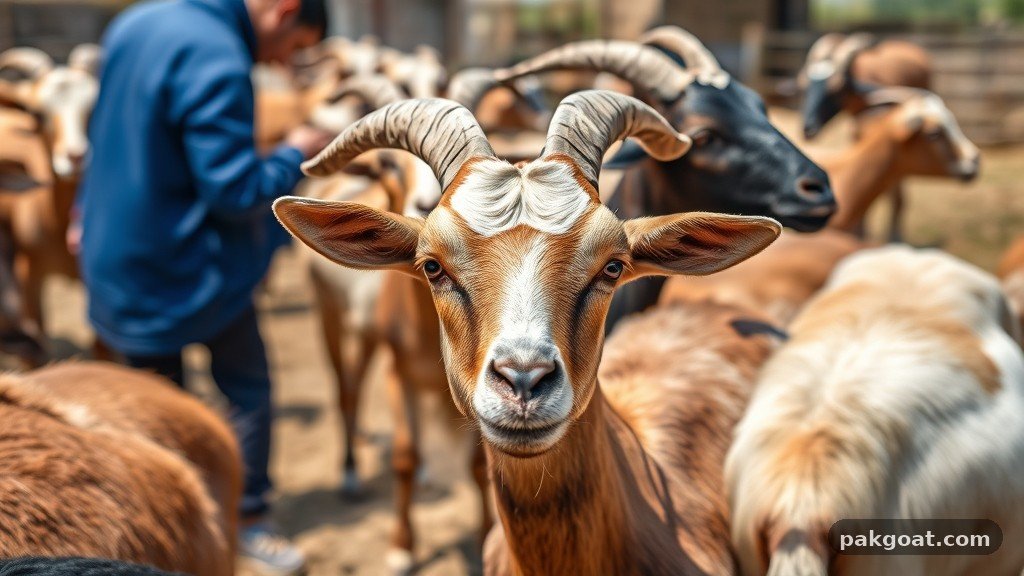
Goat farming in Pakistan serves as a vital pillar of the rural economy, providing consistent income for millions of smallholder farmers and specialized entrepreneurs. Because the climate and topography across the provinces vary significantly, this sector offers diverse opportunities for both subsistence production and large-scale commercial ventures. Understanding the market dynamics, breed selection, and operational costs is essential for anyone looking to enter this industry.
This article outlines the core requirements for establishing a sustainable operation, covering everything from initial capital investment to long-term herd management strategies. By focusing on efficient feed conversion and disease prevention, you can turn a small herd into a reliable source of revenue.
The profitability of goat farming in Pakistan typically ranges from 20% to 35% annually for well-managed commercial units. While these figures fluctuate based on local fodder prices and seasonal demand, the industry remains highly resilient due to the consistent demand for meat during religious festivals like Eid-ul-Adha.
Smaller, family-run operations often see lower margins due to higher overheads per animal, but commercial farms with 50 to 100 goats can achieve significant economies of scale. Success depends heavily on minimizing mortality rates, which can wipe out annual profits if not managed through a strict vaccination schedule.
Understanding the Economic Potential
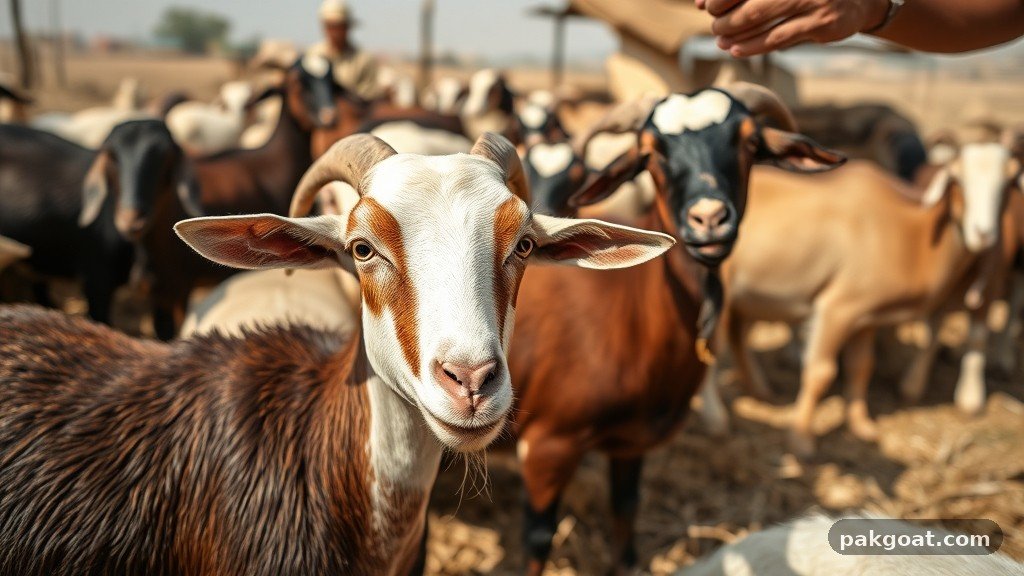
The financial viability of this sector is underpinned by the high demand for chevon, the meat of goats, which is a staple in the Pakistani diet. Unlike beef or poultry, goat meat maintains a premium price point in urban centers like Lahore, Karachi, and Islamabad.
Investors often find that the “fattening” business model—purchasing young males and raising them for specific market events—offers the fastest return on investment. This approach requires less infrastructure than a full-scale breeding operation, allowing for quicker cash flow.
Profitability is also heavily influenced by the ability to manage feed costs, which usually account for 60% to 70% of total operational expenses. Farmers who cultivate their own green fodder or utilize crop residues effectively see much higher net returns than those relying solely on commercial concentrates.
Furthermore, the sale of manure as high-quality organic fertilizer provides an additional, often overlooked, revenue stream for farm owners. By diversifying income sources beyond meat sales, you create a more stable financial foundation for your business.
Key Breeds and Selection Criteria
Choosing the right breed is the most critical decision you will make before purchasing your first animal. In Pakistan, the Beetal breed is widely considered the gold standard for commercial farming due to its fast growth rate and large frame.
Other popular breeds include the Dera Din Panah, which is highly valued for milk production, and the Kamori, known for its distinct appearance and resilience in the Sindh region. Your choice should align with your primary goal, whether it is meat production, milk, or breeding stock sales.
When inspecting animals, look for clear signs of health, such as bright eyes, a smooth coat, and active movement. Avoid purchasing animals that show signs of respiratory distress or listlessness, as these are often indicators of underlying chronic infections.
It is standard practice to quarantine all new arrivals for at least 14 to 21 days before introducing them to the main herd. This simple step prevents the introduction of contagious diseases like Peste des Petits Ruminants (PPR) into your established population.
Infrastructure and Land Requirements
The amount of land required depends entirely on your management style, but a general rule of thumb for intensive farming is roughly 10 to 15 square feet per goat inside a shed. For 100 goats, you would need approximately 1,500 square feet of covered space to ensure adequate ventilation and movement. The shed should be elevated slightly to prevent water accumulation during the monsoon season, as damp environments are the primary cause of hoof rot and respiratory issues.
Proper ventilation is far more important than expensive construction materials. You can build highly effective sheds using local materials like bamboo, thatch, or low-cost steel framing.
The goal is to keep the animals protected from extreme heat and direct drafts while allowing for maximum airflow. A well-designed facility also includes a dedicated area for isolating sick animals and a separate storage room for feed and veterinary supplies.
Managing Feed and Nutrition
Nutrition determines the growth rate and overall health of your livestock. A balanced diet consists of a mix of green fodder, dry hay, and a concentrated feed ration containing proteins and minerals.
During the winter months, when green grass is less available, farmers must rely on silage or high-quality hay to maintain the animals’ body condition. Neglecting the mineral component of the diet often leads to reproductive issues and stunted growth in kids.
You can calculate the daily feed requirement based on the body weight of the animal. An adult goat typically consumes about 3% to 4% of its body weight in dry matter every day.
Providing constant access to clean, fresh water is equally vital for digestion and milk production. If you are interested in official guidelines on livestock nutrition, the Food and Agriculture Organization of the United Nations provides extensive documentation on sustainable animal husbandry practices.
Market Dynamics and Sales Channels
The market for goats in Pakistan is highly seasonal, with demand peaking sharply before Eid-ul-Adha. Many successful farmers time their production cycles so that their animals reach optimal market weight exactly two to three weeks before these events.
Selling directly to urban wholesalers or butchers can reduce your profit margin, so many farmers build relationships with private buyers or participate in local livestock auctions. Digital marketing has also become a game-changer, with social media platforms allowing farmers to sell directly to consumers in major cities.
| Expense Category | Estimated Share of Total Cost |
| :— | :— |
| Animal Purchase | 40% |
| Feed and Nutrition | 35% |
| Labor and Management | 15% |
| Vaccination and Vet Care | 7% |
| Contingency/Miscellaneous | 3% |
This table illustrates the approximate allocation of capital for a startup. Note that the animal purchase cost is a one-time capital expenditure, whereas feed and labor are recurring monthly costs.
Keeping your overheads low during the first six months is essential for long-term viability. Always maintain a small cash reserve for unexpected veterinary emergencies, as a single disease outbreak can be costly.
Common Health Challenges
Disease prevention is the most effective way to protect your investment. The most common threats to a herd in Pakistan include PPR, Enterotoxemia, and parasitic infestations.
A rigorous vaccination schedule, developed in consultation with a local veterinarian, should be the cornerstone of your management plan. Deworming cycles should be conducted every three to four months, depending on the grazing environment and local climate conditions.
Internal parasites are particularly dangerous because they often go unnoticed until the animal has lost significant weight or become anemic. You can monitor the health of your herd by regularly checking the color of the mucous membranes in the eyes.
Pale membranes are a reliable indicator of anemia caused by high parasite loads. By staying ahead of these issues with proactive medicine, you avoid the much higher costs of treating advanced infections.
Strategic Scaling of Operations
Scaling up your farm should only happen after you have successfully navigated at least two full production cycles. Rapid expansion without established systems often leads to increased mortality and mismanagement of feed resources.
Start by increasing your herd size by 20% to 30% each year to ensure that your labor force and infrastructure can keep up with the increased demand. Documentation is key here; keep detailed records of weight gain, birth rates, and medical history for every animal in your herd.
* Vaccination Records: Track the date and type of vaccines administered.
* Feed Inventory: Monitor monthly consumption to identify waste.
* Weight Tracking: Weigh animals monthly to assess growth performance.
* Sales Ledger: Record the price per kg of every animal sold.
* Birth Logs: Note the date and health status of each newborn.
Using these simple tools, you can identify which breeding lines are the most productive and which animals are underperforming. This data-driven approach allows you to cull unproductive animals and focus your resources on the most profitable members of the herd. Over time, this selective breeding will naturally improve the genetics of your stock, leading to higher weights and better disease resistance.
Frequently Asked Questions
How many goats do I need to start a profitable farm?
Profitability is achievable with as few as 20 to 30 goats, provided you focus on high-value breeds and direct-to-consumer sales. However, most commercial operations in Pakistan find that a herd of 50 to 100 animals provides the best balance between labor efficiency and income generation. Scaling beyond this point requires more advanced infrastructure and a dedicated team.
What is the most profitable breed for meat production?
The Beetal breed is widely regarded as the most profitable for meat because of its rapid growth rate and ability to reach market weight quickly. Other regional breeds like the Teddy are also popular due to their high fertility rates and ability to thrive in diverse climatic conditions. Your specific choice should depend on your local market preferences and the availability of feed.
How much land is required for a herd of 100 goats?
For a semi-intensive system where you provide supplemental feed, you need roughly 1,500 square feet of covered shed space for 100 goats. If you intend to rely on grazing, you will need approximately 1 to 2 acres of land per 20 goats, depending on the quality of the pasture. Most commercial farmers use a mix of both to minimize costs.
Is goat farming in Pakistan year-round?
Yes, goat farming is a year-round business, though income is often concentrated around religious festivals. A successful farmer manages cash flow by selling milk, manure, and breeding stock throughout the year. This diversification ensures that the farm remains solvent even during the months when meat demand is lower.
What is the biggest risk in goat farming?
The highest risk factor is disease outbreaks, particularly respiratory infections and viral diseases like PPR. These can result in high mortality rates within a short period if the farmer is not prepared. Strict adherence to vaccination protocols and a robust quarantine process for new animals are the best defenses against these threats.
Conclusion
Building a successful business in the livestock sector requires a mix of patience, discipline, and constant learning. Goat farming in Pakistan offers a genuine opportunity for those willing to manage the day-to-day details of animal health and feed efficiency. By starting small and focusing on the growth of your herd, you can mitigate the risks inherent in agricultural ventures.
Remember that your primary assets are the animals themselves, and their health must always be your top priority. As you gain experience, you will find that the local market for quality meat continues to expand, offering significant potential for those who prioritize quality over quantity. If you are ready to begin, start by visiting local farms and speaking with experienced breeders in your area.
