

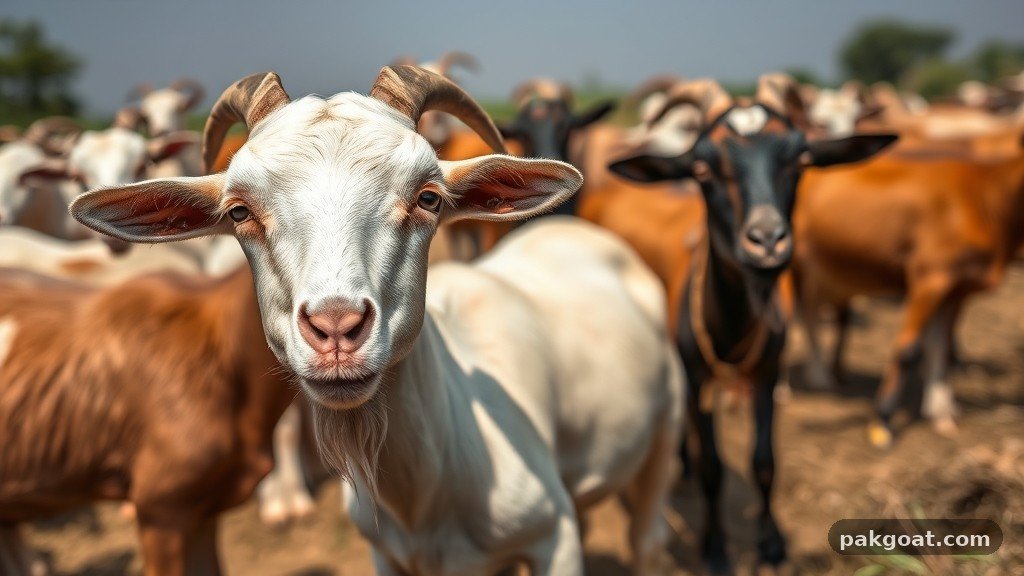
Goat farming in India serves as a vital pillar of the rural economy, providing consistent income to millions of small-scale farmers across the country. Because of their adaptability to harsh climates and their ability to thrive on minimal resources, these animals are often referred to as the “ATM of the poor.”
Whether you are looking to start a small backyard unit or a larger commercial operation, understanding the market dynamics and husbandry requirements is essential for long-term profitability. This article examines the practical realities of managing a successful enterprise within the Indian agricultural sector, focusing on breed selection, nutrition, and market integration to help you build a sustainable business model.
The primary question many entrepreneurs ask is whether goat farming in India is actually profitable. For a well-managed farm, the net profit margin typically ranges between 20% and 30% after accounting for feed, labor, and veterinary costs.
Success depends heavily on the scale of operation, with commercial units housing over 100 goats often achieving economies of scale that smaller units cannot match. Market demand for chevon—the meat of goats—remains consistently high throughout the year, especially during festivals, which helps maintain stable price points for producers.
Economic Potential and Market Dynamics
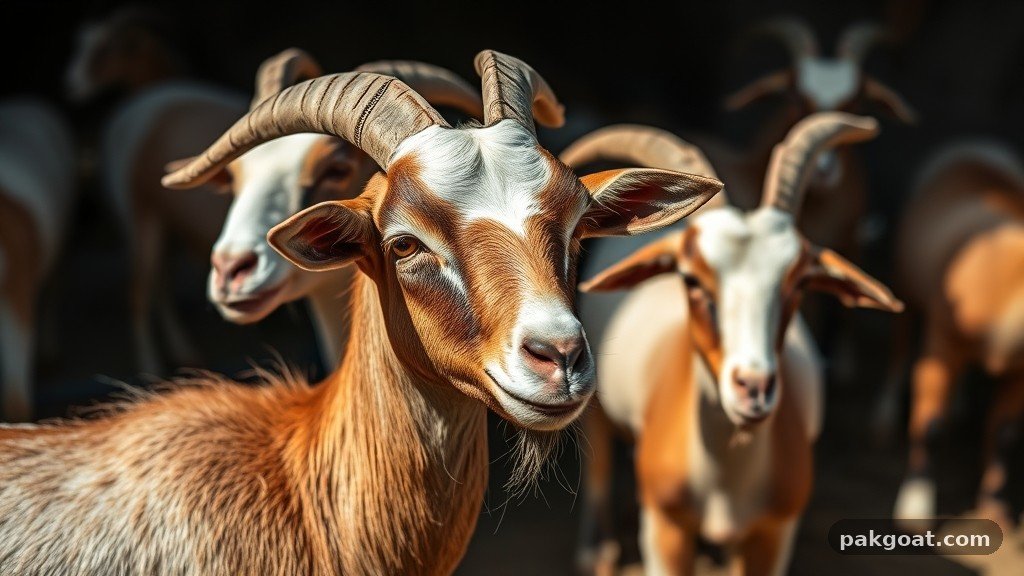
The domestic demand for goat meat in India is immense, as it is one of the most preferred meats across various regions and cultures. Unlike pork or beef, which face religious or social taboos in certain parts of the country, chevon is widely consumed and commands a premium price in urban markets.
You should expect to sell your animals at a price determined by their live body weight rather than just age or size. This shift toward weight-based pricing is gradually becoming the industry standard, ensuring fairer compensation for farmers who invest in quality nutrition.
Retail prices for goat meat often fluctuate based on seasonal demand, particularly during holidays like Eid or Diwali. Savvy farmers often time their breeding cycles so that their kids reach market weight exactly when demand peaks.
This strategy allows them to capture the highest possible margins without needing to store perishable inventory. By focusing on consistent supply chains and building direct relationships with local butchers or restaurant chains, you can bypass middlemen and retain a larger share of the final sale price.
Selecting the Right Breed for Your Region
India is home to a diverse range of goat breeds, each adapted to specific climatic zones and fodder availability. Choosing the wrong breed for your local environment is a common mistake that leads to high mortality rates and reduced growth performance.
For example, the Jamunapari breed is prized for its large size and milk yield, making it an excellent choice for the fertile plains of North India. Conversely, the Osmanabadi or Black Bengal breeds are far more resilient in the arid or tropical conditions of the Deccan plateau and Eastern India.
Before purchasing your foundation stock, conduct a survey of the local market to see which breeds are currently in high demand. Some regions prefer smaller, lean animals for specific culinary traditions, while others prioritize larger, meat-heavy breeds for commercial processing.
You should also consider the dual-purpose nature of certain breeds that provide both milk and meat. While milk production is often secondary in meat-focused models, it can provide a supplemental daily cash flow that helps cover the daily operating expenses of the farm.
Infrastructure and Housing Requirements
Effective goat housing does not require expensive materials, but it must prioritize ventilation, sanitation, and protection from predators. The most common and successful model is the raised platform or “stilt” housing, which keeps the animals off the damp ground.
This design significantly reduces the incidence of hoof rot and internal parasite infections, which are the leading causes of illness in Indian goat herds. Elevating the floor also makes it much easier to clean and manage manure, which can be sold as high-quality organic fertilizer.
Your shed should be oriented to maximize natural light while shielding the animals from direct, harsh winds or rain. Ensure that each goat has at least 10 to 12 square feet of space to prevent overcrowding, which causes stress and lowers immunity.
A well-designed facility includes separate areas for pregnant does, kids, and bucks to manage breeding cycles efficiently. Installing proper drainage systems is non-negotiable, as stagnant water near the shed is a breeding ground for vectors that carry diseases like Peste des Petits Ruminants (PPR).
Nutritional Management and Fodder Security
The biggest expense in any livestock operation is feed, which typically accounts for 60% to 70% of the total production cost. To remain profitable, you must move away from expensive commercial concentrates and toward a balanced diet based on locally available fodder.
Cultivating your own Azolla or hydroponic green fodder can significantly reduce your dependence on purchased grains. Goats are natural browsers, not grazers, meaning they prefer eating leaves and shrubs over short grass.
Integrating trees like Subabul or Gliricidia into your farm boundary provides a sustainable source of protein-rich foliage. Supplementing this with mineral blocks and clean water is vital for weight gain and overall herd health. You can use the following table to understand the approximate daily requirements for an adult goat:
| Feed Category | Daily Quantity (Approx) | Nutritional Focus |
|---|---|---|
| Green Fodder | 3 to 5 kg | Fiber and hydration |
| Dry Straw | 1 to 2 kg | Roughage and digestion |
| Concentrate Mixture | 200 to 300 grams | Protein and energy |
Preventive Healthcare and Disease Control
Disease management is the difference between a thriving farm and a failed investment. You must establish a strict vaccination schedule to protect your herd from common threats like Enterotoxaemia, Foot and Mouth Disease, and PPR.
Consult with a local veterinarian to design a deworming program that rotates different classes of anthelmintics to prevent resistance. A quarantine area is essential; never introduce new animals directly into your main herd without a 15 to 21-day observation period.
Small signs of illness, such as a drop in feed intake or dull eyes, should be addressed immediately. Early detection prevents a localized infection from becoming an outbreak that could wipe out your entire stock.
Maintaining a detailed health register for every animal, including vaccination dates and treatment history, is a best practice for professional farming. For further information on animal health guidelines, you can visit the Department of Animal Husbandry and Dairying official portal for government-approved protocols.
Scaling and Business Diversification
Once your primary herd is stable, you can look into diversifying your income streams to increase the farm’s overall revenue. Selling goat manure as organic compost is an overlooked but highly lucrative side business, especially as the demand for organic farming inputs grows in India.
You might also consider value-added products like goat milk soap or artisanal cheeses if you are located near urban centers with a high-end customer base. These products command much higher margins than raw meat or live animal sales.
Scaling up requires a transition from traditional free-range grazing to intensive stall-fed systems. While stall-feeding involves higher initial investment in infrastructure and fodder management, it allows for much faster growth rates and better control over the final meat quality.
You should also explore government subsidies and insurance schemes offered by the National Livestock Mission. These programs can provide the financial buffer needed to expand your shed capacity or upgrade your equipment.
Common Risks and Mitigation Strategies
Every agricultural business faces inherent risks, and goat farming is no exception. Market price volatility is a constant challenge, but you can mitigate it by maintaining a diverse age structure in your herd.
By having animals ready for sale at different times of the year, you avoid being forced to sell your entire stock when prices are temporarily low. Predator attacks are another significant risk, particularly for farms located near forest fringes or rural outskirts.
* Fencing: Invest in high-quality chain-link or electric fencing to secure the perimeter.
* Record Keeping: Track growth rates, birth intervals, and feed conversion ratios to identify underperforming animals.
* Training: Participate in workshops conducted by local Krishi Vigyan Kendras to stay updated on modern breeding techniques.
* Insurance: Insure your herd against death due to disease or accidents to protect your capital.
Frequently Asked Questions
How much land is needed for 50 goats?
For a semi-intensive system with 50 goats, you generally need about 0.5 to 1 acre of land for the shed and fodder cultivation. If you rely entirely on outside grazing, you need less space for the shed, but you must ensure the availability of common grazing lands nearby.
What is the best age to sell goats for meat?
The most profitable age to sell is typically between 8 and 12 months, when the animal reaches its peak growth velocity. Selling at this stage ensures the meat is tender and the feed-to-weight gain ratio remains efficient.
Are there government subsidies for goat farming?
Yes, the Indian government provides various subsidies under the National Livestock Mission for entrepreneurs and self-help groups. These subsidies often cover a portion of the capital cost for establishing a new farm, though criteria vary by state.
How do I identify a healthy goat before buying?
Look for active behavior, a shiny coat, and clear eyes. A healthy goat should have a good appetite and no signs of nasal discharge, coughing, or diarrhea, and it should move easily without limping.
Can I start goat farming with a small budget?
Absolutely, many successful farmers start with 5 to 10 goats in their backyard. This allows you to learn the nuances of animal behavior and local market preferences before scaling up your operation with more capital.
The path to success in goat farming in India is built on consistent daily management rather than sudden breakthroughs. By focusing on breeding for health, optimizing your fodder sources, and maintaining strict bio-security, you can create a reliable and profitable agricultural venture. The sector continues to grow as urban consumption patterns shift, offering ample opportunity for those willing to put in the necessary effort.
Remember that your herd is a living asset; the quality of care you provide today directly dictates the revenue you realize at market. Start with a manageable number, learn from each cycle, and gradually expand your operations as your expertise and market connections grow.
