

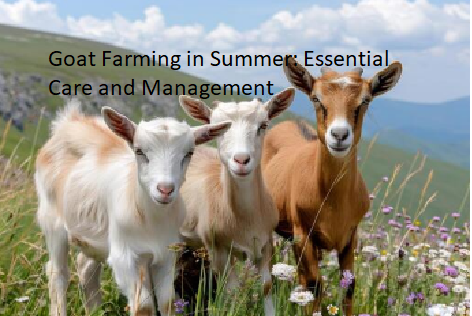
Managing goat farming in summer requires a proactive approach to heat stress, parasite control, and pasture rotation to ensure your herd remains productive. High temperatures often lead to decreased feed intake and lower milk yields, meaning that your strategy for shelter and hydration is the difference between a thriving farm and a struggling one.
By focusing on environmental modifications and nutritional adjustments, you can maintain animal health throughout the hottest months of the year. This article examines the practical steps needed to protect your investment during peak heat.
The primary requirement for successful goat farming in summer is providing constant access to clean, cool water and deep shade. A mature goat can consume between 2 to 4 gallons of water daily, a figure that often doubles when ambient temperatures exceed 90 degrees Fahrenheit.
If your water source is exposed to direct sunlight, its temperature may become unpalatable, causing the animals to reduce their intake. Ensure that troughs are scrubbed weekly to prevent algae growth and that they are positioned in areas protected from direct sun exposure.
Essential Heat Mitigation Strategies
Providing adequate airflow is just as vital as shade, as goats do not sweat efficiently to regulate their body temperature. You should aim to keep barn doors and windows open to encourage cross-ventilation, even if the exterior air is warm.
If your facility lacks natural airflow, installing industrial-grade fans can help pull hot air away from the sleeping areas. These small investments significantly reduce the respiratory strain on your herd during the peak of the afternoon heat.
Managing Pasture and Forage
Goat farming in summer involves careful management of grazing patterns to prevent overgrazing and parasite infestation. During the hot months, grasses often go dormant or become stemmy, which reduces their nutritional density significantly.
You should implement a rotational grazing system, moving your herd every 5 to 7 days to fresh paddocks. This prevents the goats from grazing too close to the ground, where parasite larvae—such as Haemonchus contortus—are most concentrated.
| Management Area | Summer Target/Action |
|---|---|
| Water Consumption | 2-4 Gallons per head/day |
| Grazing Rotation | 5-7 days per paddock |
| Shade Requirement | 15-20 sq. ft. per goat |
| Parasite Check | FAMACHA scoring bi-weekly |
Nutritional Adjustments for Hot Weather
When temperatures rise, goats naturally reduce their forage intake to minimize the metabolic heat generated during digestion. You can compensate for this by offering high-quality forage during the cooler parts of the day, such as early morning or late evening.
Supplementing their diet with small amounts of high-energy feed can bridge the gap, but be careful not to trigger digestive upsets. Always ensure that mineral blocks or loose minerals are available, as goats lose essential electrolytes through panting and minor perspiration.
Parasite Control and Health Monitoring
Warm, humid weather creates the perfect environment for internal parasites to thrive and multiply rapidly. You must monitor your goats using the FAMACHA scoring system to identify animals that require targeted deworming. Do not deworm the entire herd simultaneously, as this accelerates the development of drug-resistant parasites on your property.
Instead, identify the individuals showing signs of anemia and treat only those specific animals. Regular fecal egg counts conducted by a local veterinarian can provide a clearer picture of the parasite load on your specific acreage.
Infrastructure and Shelter Requirements
Effective goat farming in summer depends on the quality of your physical structures. Goats require at least 15 to 20 square feet of shade per animal to prevent crowding and heat buildup. If your pastures lack natural tree cover, you must construct temporary shelters using shade cloth or metal roofing painted white to reflect heat.
These structures should be oriented to capture prevailing breezes, ensuring the interior remains significantly cooler than the surrounding environment. Avoid using materials that trap heat, such as dark-colored plastic or unventilated metal sheds.
Water System Maintenance
A reliable water system is the backbone of your summer operation. If you rely on well water, ensure your pump is serviced before the heatwaves begin to avoid mid-summer failures. Consider installing float-valve systems to ensure that water troughs refill automatically, reducing the labor burden during long, hot days.
For those using gravity-fed systems, check hoses for leaks daily, as evaporation and leaks can drain a tank faster than you might expect. If you notice goats congregating around the water source, it is a clear signal that they are struggling with the heat.
Seasonal Breeding Considerations
Many goat breeds are seasonal breeders, and the heat of summer can negatively impact both buck fertility and doe conception rates. If you are planning for an autumn breeding season, keep your bucks in a cool, well-ventilated area to protect their reproductive health.
High temperatures can cause temporary sterility in males, which might lead to a disappointing kidding season the following spring. Providing adequate nutrition and minimizing stress during the summer months ensures that your herd is in peak condition when the breeding window opens.
Frequently Asked Questions
How do I know if my goats are suffering from heat stress?
Signs of heat stress include excessive panting, lethargy, drooling, and a lack of interest in grazing. If you observe a goat standing away from the herd with its head down and rapid breathing, it requires immediate shade and cool water. In severe cases, you may need to spray the animal’s legs with cool water to help lower its body temperature safely.
Is it necessary to shear goats in the summer?
For most breeds, such as Boers or dairy goats, shearing is not necessary and can even be detrimental. Their coat provides insulation against both cold and direct solar radiation, which helps prevent sunburn. If you are raising Angora or other fiber-producing breeds, shearing is essential before the summer peak to prevent overheating.
How many acres do I need for a small herd?
The number of acres required depends heavily on your soil quality and forage management. A general rule of thumb is that you can sustain 6 to 8 adult goats per acre on improved pasture. However, this capacity drops significantly in arid regions or on poor-quality land, where supplemental hay becomes a necessity.
What is the best way to clear brush with goats?
Goats are natural browsers and excel at clearing brush, often removing invasive species that cattle or sheep ignore. To clear an acre efficiently, you might need a group of 10 to 15 goats for a period of two weeks, depending on the density of the vegetation. Always monitor them to ensure they aren’t consuming toxic plants, such as wild cherry or azalea.
Can I keep goats and sheep together in the summer?
While they can graze together, they have different mineral requirements, particularly regarding copper. Goats require higher levels of copper, which can be toxic to sheep if they share the same mineral supplement. It is safer to separate them or provide species-specific minerals to avoid health complications during the stress of summer.
Conclusion
Successful goat farming in summer relies on your ability to anticipate environmental stressors before they impact the health of your animals. By prioritizing shade, consistent hydration, and strategic pasture management, you minimize the risks associated with heat and parasite pressure. Remember that your role is to act as a steward of their environment, making small, daily adjustments that keep the herd comfortable and productive.
Whether you are managing a small homestead or a commercial operation, your attention to detail during these months directly influences your overall success. As you continue to refine your summer protocols, you will find that these habits become second nature, leading to a more resilient and profitable farm year after year.
