

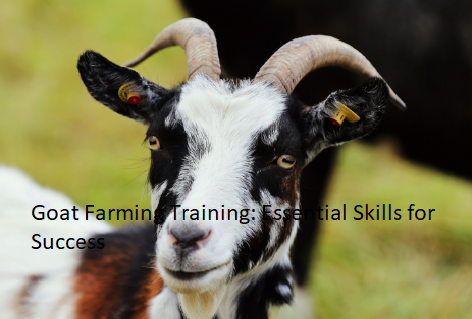
Starting a successful livestock operation requires more than just acquiring animals; proper goat farming training provides the technical foundation needed to avoid common pitfalls. Prospective farmers often underestimate the complexity of herd health and pasture management, leading to preventable losses in their first year. By focusing on breed selection, nutritional requirements, and basic veterinary care, you can transition from a hobbyist to a profitable producer.
Effective goat farming training typically costs between $200 and $1,500 depending on whether you choose a short-term workshop or a comprehensive certification program. Short, weekend-based seminars often cover basic handling and fencing, while intensive courses spanning several weeks dive deep into financial modeling and genetic selection.
Many agricultural extension offices offer low-cost or free introductory classes to get you started on the right foot. You should expect to pay more for hands-on, on-farm experiences compared to theoretical classroom lectures.
Foundational Knowledge for New Producers
Every aspiring goat farmer must understand the biological needs of the animals before bringing them onto the property. Goats are browsers, not grazers, meaning they prefer shrubs, woody plants, and weeds over simple grass. This distinction is critical because it dictates how you manage your pastures and what supplemental feed you must purchase.
Training programs emphasize the importance of infrastructure, specifically fencing and shelter. Goats are notorious escape artists that challenge even the most secure boundaries.
You will learn to install woven wire fencing, often reinforced with electric strands, to keep predators out and goats in. A basic shelter must provide protection from wind and moisture, as goats are highly susceptible to respiratory illnesses in damp conditions.
Proper herd management begins with understanding the life cycle of the goat. You need to know how to identify signs of heat, assist with kidding, and recognize when an animal is failing to thrive.
Most professional courses include modules on basic record-keeping, where you learn to track birth dates, vaccination schedules, and weight gain. These metrics are the backbone of any operation that intends to turn a profit.
Nutritional Requirements and Feed Management
Understanding the digestive system of the goat is a core component of any high-quality goat farming training curriculum. Goats have a complex, four-compartment stomach that requires a diet high in fiber and specific minerals. If you fail to provide a balanced diet, your herd will face issues like bloat, acidosis, or mineral deficiencies.
Forage quality is the most significant variable in your feed budget. You must learn to assess pasture health and implement rotational grazing to prevent overgrazing and parasite buildup. When pasture is insufficient, you will need to supplement with high-quality hay and potentially grain, though grain should be used sparingly to avoid metabolic disorders.
Water intake is frequently overlooked by beginners but remains essential for milk production and overall health. Goats require clean, fresh water at all times, and they are notoriously picky about the quality of their supply. If the water is stagnant or dirty, they will drink less, directly impacting their growth rates and immune systems.
Veterinary Care and Parasite Control
Internal parasites, particularly the barber pole worm, represent the greatest health threat to goats in many climates. Training programs focus heavily on the FAMACHA system, a diagnostic method that uses eyelid color to determine if a goat needs deworming. Relying on chemical dewormers without testing leads to widespread drug resistance, which can quickly wipe out a herd.
Vaccination schedules are another non-negotiable aspect of herd management. You must learn to administer core vaccines, such as CD&T, which protects against enterotoxemia and tetanus.
Knowing how to give subcutaneous and intramuscular injections is a skill you will use repeatedly. Many farmers also learn to perform basic hoof trimming to prevent foot rot and lameness.
Recognizing the early symptoms of illness allows for prompt intervention. You should be able to check a goat’s temperature, monitor its respiratory rate, and listen for abnormal digestive sounds. A well-trained farmer keeps a basic veterinary kit on hand at all times, containing supplies like antiseptic, electrolytes, thermometers, and basic antibiotics.
Infrastructure and Land Use Planning
The amount of land you need depends on your specific goals and the quality of your forage. A common rule of thumb suggests that one acre of well-managed, high-quality pasture can support six to eight mature goats. However, if you are working with poor-quality land, that number drops significantly.
Land Capacity Comparison
| Pasture Quality | Goats per Acre | Supplemental Feed Needs |
|---|---|---|
| Excellent/Irrigated | 8–10 | Low |
| Average | 4–6 | Moderate |
| Poor/Dry | 1–2 | High |
Developing your infrastructure requires a strategic layout that minimizes labor. You should design your paddocks to allow for easy rotation, which naturally breaks the lifecycle of many parasites.
Include a central handling area where you can catch and restrain goats for medical exams or hoof trimming. This setup saves hours of time and reduces the stress levels of both the farmer and the animals.
Water lines should be easily accessible from every paddock to reduce the physical labor of manual hauling. If you are planning for a large herd, investing in automated waterers will significantly reduce your daily workload. Always consider the terrain, as goats prefer well-drained land that does not accumulate standing water after a heavy rain.
Financial Planning for Profitability
Many people enter the industry without a clear business plan, which is why financial literacy is a major focus of advanced goat farming training. You need to account for startup costs, which include purchasing breeding stock, building pens, and acquiring basic tools. Ongoing costs include feed, hay, medicine, and marketing expenses for your products.
Income streams for a goat farm are diverse but require active management to sustain. You might focus on meat production, milk products, or selling breeding stock to other producers. Some farmers even rent their goats out for vegetation management services, a growing niche in urban and suburban areas.
- Meat sales: Selling kids at weaning or at a specific market weight.
- Dairy products: Processing milk into cheese, yogurt, or soap.
- Breeding stock: Selling registered animals with high-quality genetics.
- Vegetation management: Providing clearing services for brush and weeds.
- Manure sales: Composting waste for use as high-quality garden fertilizer.
Maintaining accurate records of every dollar spent and earned is essential. If you cannot track your cost per pound of gain, you will never know which part of your operation is profitable. Many successful farmers use software or simple spreadsheets to monitor their expenses against industry benchmarks.
Choosing the Right Breed for Your Goals
Selecting the right breed is a critical decision that should be based on your climate and your end product. Dairy breeds like the Nubian or Alpine require more intensive management but offer high-value milk production. Meat breeds such as the Boer or Kiko are known for their rapid weight gain and hardiness in varied environments.
Consider the temperament of the breed before you commit to a large herd. Some breeds are notoriously high-strung, while others are more docile and easier to handle for beginners. If your goal is to sell fiber, you will be looking at Angora or Cashmere goats, which require a completely different set of shearing skills and marketing channels.
For further reading on animal welfare and production standards, consult the United States Department of Agriculture resources on livestock management. They provide excellent documentation on health regulations and movement requirements. Always ensure that your chosen breed is well-suited to your local climate to minimize the risk of heat stress or cold-related illnesses.
Frequently Asked Questions
Is it hard to train goats to stay in a fence?
Goats are intelligent and curious, so they will test your fences regularly. If the fence is properly constructed and the goats have enough food, they generally stay within the boundaries, but you must check the perimeter for breaches at least once a week.
How much space do goats need for housing?
A general recommendation is to provide at least 10 to 15 square feet of indoor shelter space per goat. This ensures they have room to move around and stay dry without crowding, which helps reduce the spread of illness.
Can you make a full-time living from a goat farm?
It is possible to make a full-time income, but it usually requires a large herd and a focus on value-added products like artisan cheese or high-demand breeding stock. Most small-scale farmers start with a part-time model to build their skills and market base.
Do I need a veterinarian on call?
Yes, establishing a relationship with a large-animal veterinarian is vital. You need someone who understands small ruminants specifically, as they have different medical needs compared to cattle or horses.
How often should I trim goat hooves?
Hoof trimming is typically done every 6 to 8 weeks, though the frequency depends on the terrain and the individual animal. If the goats have access to rocky, hard ground, their hooves may wear down naturally, but you should still inspect them regularly.
Your journey into livestock production is a continuous process of learning and adaptation. Engaging in structured goat farming training early on will help you build a profitable, sustainable, and healthy herd from the start. Focus on the basics of nutrition, parasite management, and infrastructure to minimize your risks and maximize your output.
As you gain experience, you will naturally refine your practices to better suit your specific environment and market goals. Remember that the most successful producers are those who prioritize animal health and maintain meticulous records.
Start small, learn from your successes and mistakes, and continue to seek out professional advice as your operation grows. Your commitment to proper training will pay dividends in the long run.
