

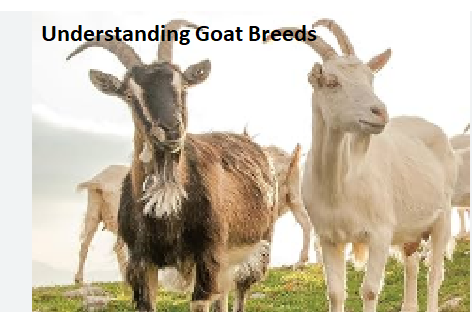
Selecting the right animal for your farm requires understanding how different goat breeds align with your specific goals, whether you are interested in milk production, meat, or fiber. With hundreds of varieties existing globally, identifying the characteristics that define each group helps you avoid common pitfalls when starting your herd.
This article provides a clear breakdown of the most popular goats, their primary utility, and the environmental factors that influence their health and productivity. By focusing on breed-specific traits like temperament, size, and maintenance needs, you will be better equipped to manage a successful herd that fits your property and your lifestyle.
Dairy Goat Breeds and Milk Production
Dairy production remains the most popular reason for keeping goats, with several highly specialized breeds dominating the industry. These animals are selected for their high lactation volume, fat content, and ease of milking.
The most prominent dairy choice is the Alpine, known for its consistent production and ability to adapt to varying climates. Alpines are medium-to-large animals that produce a high volume of milk throughout a long lactation cycle.
Another staple in the dairy world is the Nubian. Nubians are instantly recognizable by their long, pendulous ears and Roman noses.
They produce milk with a higher butterfat content compared to other breeds, which makes their output excellent for cheesemaking and soap production. While they are vocal and can be more demanding, their milk quality is widely considered the gold standard for home dairies.
The Saanen breed serves as the powerhouse of the dairy industry. Often referred to as the “Holstein of the goat world,” these white animals are prized for their calm disposition and impressive milk volume.
They thrive best in cooler climates and require a high-quality diet to maintain their peak production levels. You should expect to invest in robust infrastructure, such as proper milking stands and cooling systems, when working with high-output dairy breeds.
Meat Goat Breeds for Sustainable Farming
If your goal is meat production, you must prioritize growth rates and carcass quality over lactation volume. The Boer goat is the undisputed leader in this category.
Originating from South Africa, this breed was specifically developed for its rapid weight gain and muscular structure. Boers are hardy, adaptable to various grazing conditions, and reach market weight faster than almost any other breed.
Kiko goats represent a strong alternative for producers looking for lower-maintenance animals. Originally developed in New Zealand from feral stock, they are known for their parasite resistance and ability to thrive on marginal forage.
They do not require the intensive supplemental feeding that Boers often need, making them a cost-effective choice for large-scale grazing operations. Their maternal instincts are also exceptionally strong, which reduces the need for human intervention during kidding.
Spanish goats are another reliable option for meat production in rugged terrain. They are survivors that can handle harsh brush and unpredictable weather without sacrificing herd health.
While they may not reach the sheer size of a Boer, their hardiness and low input costs often result in better profit margins for farmers managing difficult land. Selecting the right meat breed often comes down to your local forage quality and the level of management you can provide daily.
Fiber Goat Breeds for Specialty Products
Fiber production offers a unique niche for farmers interested in producing high-quality textiles. The Angora goat is the most famous breed for this purpose, producing the soft, lustrous fiber known as mohair.
These animals require meticulous care, including regular shearing and protection from extreme weather, as their coats can easily become matted or soiled. Their fiber is highly valued in the luxury textile market, but it demands a commitment to herd grooming that dairy or meat goats do not.
Cashmere goats are not a single breed but rather a classification based on the type of undercoat they produce. Any goat that grows a fine, soft down beneath its coarse outer guard hair can be managed for cashmere.
Many farmers crossbreed standard dairy or meat goats with specific cashmere-producing lines to improve the quality of their harvest. Harvesting requires careful combing during the molting season, which is a labor-intensive process that requires patience and experience.
Managing fiber goats requires a different set of skills compared to traditional livestock management. You must monitor skin health closely and ensure that the animals are kept in clean, dry environments to prevent fiber contamination.
Because the value of the final product depends on the purity and length of the fibers, selective breeding is essential for long-term success. If you are interested in official breed standards and international registration, you can consult the American Dairy Goat Association for detailed records and lineage data.
Small-Scale Options: Nigerian Dwarf and Pygmy
For hobbyists or those with limited acreage, smaller goats offer a manageable and rewarding alternative. The Nigerian Dwarf is arguably the most popular small-breed choice.
Despite their tiny stature, they are prolific milk producers with surprisingly high butterfat levels. They are gentle, easy to handle, and require significantly less feed and space than full-sized dairy goats.
Pygmy goats are primarily kept as pets or for 4-H projects rather than for commercial production. They are sturdy, compact animals with a friendly demeanor that makes them excellent companions.
While they can be milked, their yield is minimal, and most owners focus on their personality and hardiness. Pygmies are highly active and require plenty of space to jump, climb, and exercise to stay healthy.
When choosing between these small breeds, consider your long-term objectives. If you need a consistent supply of milk for a small family, the Nigerian Dwarf is usually the better investment.
If you simply want friendly animals to clear brush or provide companionship, the Pygmy or a mix of smaller breeds will likely suit your needs. Remember that even small goats require proper fencing and regular veterinary care to prevent common health issues.
Comparison of Key Characteristics
Understanding the differences between these groups helps in planning your infrastructure and budget. The table below summarizes the primary strengths and requirements for the most common categories of goats found on small farms.
| Breed Category | Primary Strength | Management Needs | Typical Size |
|---|---|---|---|
| Dairy | High Milk Volume | High (Milking, Feed) | Large |
| Meat | Rapid Growth | Moderate (Grazing) | Large |
| Fiber | Mohair/Cashmere | Very High (Grooming) | Medium |
| Miniature | Space Efficiency | Low to Moderate | Small |
Each breed comes with its own set of trade-offs that influence daily labor requirements. High-production dairy goats require strict adherence to milking schedules and high-quality nutritional supplements. Meat goats are generally more hands-off but require extensive fencing to keep them contained while they graze.
Fiber goats demand the most time in terms of coat maintenance and handling. Choosing a breed that matches your available time and resources is the most critical step in ensuring you enjoy the experience of keeping goats.
Health and Maintenance Considerations
Regardless of the breed you choose, basic health management remains constant across the board. Goats are susceptible to internal parasites, particularly in humid climates.
Implementing a strategic deworming program and rotating pastures are essential practices to keep your herd thriving. You should always maintain a relationship with a large-animal veterinarian who has experience with caprine health.
Nutrition plays a massive role in the productivity of all goat breeds. While they are often viewed as animals that eat “anything,” they are actually selective browsers that prefer weeds, brush, and high-quality hay over simple grass.
Providing a loose mineral supplement specifically formulated for goats is non-negotiable to prevent common deficiencies. Clean, fresh water must be accessible at all times, as dehydration is a leading cause of health decline in managed herds.
Housing does not need to be elaborate, but it must be functional. Goats require a dry, draft-free shelter to escape the rain and wind. They are notoriously poor at tolerating wet conditions, which can quickly lead to respiratory issues or hoof rot.
Proper ventilation is just as important as protection, as ammonia buildup from waste can irritate their sensitive lungs. Keeping the living area clean reduces the incidence of disease and makes the daily management of your animals much more enjoyable.
Essential Equipment for Goat Keeping
Before you bring your first goat home, you need to have the right infrastructure in place. Fencing is the most important investment you will make.
Goats are natural escape artists that will test the integrity of any barrier. Woven wire fencing, often called “no-climb” fencing, is usually the best choice for keeping them secure while keeping predators out.
You will also need a basic medical kit to handle minor injuries and routine care. This kit should include items like:
-
- Rectal thermometer for checking temperatures
-
- Hoof trimmers for regular maintenance
-
- Antiseptic spray for wound cleaning
-
- Electrolyte powder for hydration support
-
- Tattoo kit or ear tags for identification
-
- Scale for monitoring growth and dosage accuracy
Having these items on hand before an emergency occurs allows you to act quickly and effectively.
You should also establish a record-keeping system to track breeding dates, vaccination history, and medical treatments for every individual in your herd. Consistent documentation is the key to identifying which animals are the most productive and which ones may need to be retired or replaced.
Frequently Asked Questions
Which breed of goat is the friendliest?
Nigerian Dwarf and Pygmy goats are widely considered the friendliest and most docile breeds. They are smaller and easier to handle, which makes them less intimidating for beginners or families with children. However, individual temperament is largely influenced by how much time you spend socializing the animals from a young age.
How many goats should a beginner start with?
You should never keep a goat alone, as they are herd animals that become stressed and prone to behavioral issues in isolation. A pair of goats is the absolute minimum requirement to ensure they stay happy and healthy. Starting with two or three does allows you to learn the basics of herd management without becoming overwhelmed by the labor requirements of a large group.
Do all goats require regular milking?
No, milking is only necessary for does that have given birth and are currently in lactation. If you are keeping meat or fiber goats, you do not need to milk them at all. Dairy goats require twice-daily milking for roughly 10 months out of the year, which is a significant time commitment that you must be prepared for before choosing a dairy breed.
How often do goats need their hooves trimmed?
Most goats require hoof trimming every 6 to 8 weeks depending on the terrain and their activity level. Animals kept on rocky or hard ground may wear their hooves down naturally, while those on soft pasture will need more frequent manual trimming. Neglecting this task can lead to painful lameness and permanent joint issues over time.
Conclusion
Selecting among various goat breeds is a foundational step that directly impacts the success and enjoyment of your farm. Whether you are driven by the prospect of home-produced milk, the efficiency of meat production, or the artistry of fiber work, there is a breed designed to meet those specific needs. Success in this endeavor relies less on choosing the “perfect” animal and more on providing consistent care, proper nutrition, and a secure environment.
As you begin your journey with these animals, remember that observation is your best tool. Spend time with your herd, track their individual progress, and adapt your management style to support the specific requirements of the breed you have selected. You will find that goats are not only productive assets but also rewarding companions that bring a unique energy to your property.
