

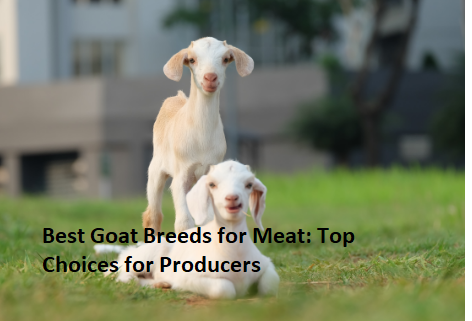
Selecting the best goat breeds for meat requires a clear understanding of growth rates, carcass quality, and environmental adaptability. Whether you are a small-scale homesteader or managing a commercial operation, your choice of genetics dictates your profit margins and management requirements.
While many dual-purpose animals exist, focusing on specialized meat breeds ensures you reach market weight faster with better muscle conformation. This guide highlights the top performers in the industry, helping you weigh the pros and cons of each breed based on your specific farm conditions and production goals.
Top Performers in Meat Production
The Boer goat is widely considered the industry standard for commercial meat production. Originating in South Africa, these goats were selectively bred for rapid growth and superior muscling. A mature Boer buck typically weighs between 200 and 300 pounds, while does often reach 170 to 225 pounds.
Their high meat-to-bone ratio makes them the preferred choice for producers looking to maximize carcass yield. Beyond their size, Boer goats are known for their docile temperament, which simplifies handling during routine health checks and transport.
Kiko goats represent the primary alternative to Boers, particularly for producers seeking hardiness. Developed in New Zealand, the breed was created by crossing feral goats with dairy genetics, resulting in an animal that thrives on minimal maintenance.
Kikos are famous for their parasite resistance and ability to forage on rough terrain where other breeds might struggle. While they may not hit the extreme muscling levels of a purebred Boer, their low medical costs and high kid survival rates often lead to better overall profitability for extensive grazing operations.
Spanish goats round out the top tier of meat-producing breeds in the United States. Often referred to as “brush goats,” these animals have adapted naturally to harsh environments over centuries.
They are exceptionally hardy and possess strong maternal instincts, which significantly reduces the need for human intervention during kidding season. While they are generally smaller than Boers, their ability to gain weight on low-quality forage makes them an excellent choice for land management and sustainable meat production systems.
Comparing Meat Goat Productivity
Understanding the differences between breeds is essential for planning your herd’s growth. The following table highlights key performance metrics for the most common meat breeds found in production systems today.
| Breed | Average Mature Weight (Bucks) | Primary Strength |
|---|---|---|
| Boer | 200–300 lbs | Carcass yield and muscling |
| Kiko | 180–260 lbs | Parasite resistance |
| Spanish | 150–225 lbs | Environmental adaptability |
| Myotonic | 150–250 lbs | Low fencing requirements |
Managing Parasite Resistance in Meat Herds
Parasite management is the single largest operating expense for many goat producers. Breeds like the Kiko and Spanish goat have evolved to tolerate higher worm burdens without requiring frequent chemical deworming.
This trait is invaluable because it slows the development of drug-resistant parasite populations on your pasture. If you choose to raise more sensitive breeds like the Boer, you will likely need to implement a strict rotational grazing schedule to keep internal parasite levels in check.
Producers often use crossbreeding to capture the benefits of multiple breeds simultaneously. A common strategy involves crossing a Boer buck with Kiko or Spanish does.
This hybrid vigor—or heterosis—often results in offspring that exhibit the rapid growth of the Boer and the hardiness of the dam. You get the best of both worlds, creating a meat goat that is both heavy at weaning and resistant to common regional health issues.
Always consult local agricultural extensions for data on regional health challenges. The United States Department of Agriculture provides comprehensive resources on livestock health and biosecurity protocols for small ruminant operations.
Maintaining a clean environment and providing proper mineral supplementation remains just as important as the genetics you select. Even the most productive breed will fail to thrive if it is constantly battling nutritional deficiencies or heavy parasite loads.
Fencing and Infrastructure Requirements
Goats are notoriously difficult to contain compared to sheep or cattle. While Boers are generally less flighty, they still require solid fencing to prevent wandering and predation.
Woven wire fencing, often called “no-climb” fencing, is the gold standard for meat goat operations. It should be at least 48 inches high to deter jumpers and feature small enough gaps to prevent kids from getting their heads stuck.
Myotonic goats, also known as fainting goats, are a unique option for those with limited fencing resources. Due to their genetic condition, they do not jump or climb as readily as other breeds.
This makes them significantly easier to contain with standard four-strand electric fencing. Despite their reputation as a novelty breed, they are actually quite muscular and are increasingly used to improve the carcass quality of other meat-oriented herds.
Consider your predator pressure when designing your infrastructure. In areas with high coyote or bobcat populations, a simple fence may not be enough. Many producers invest in livestock guardian dogs (LGDs) to protect their investment.
Breeds like the Great Pyrenees or Anatolian Shepherd are commonly used to live with the herd. A well-trained LGD can be the difference between a successful season and losing a significant portion of your kid crop to predators.
Optimizing Growth Rates for Profit
Reaching market weight efficiently is the goal of any commercial meat operation. Most markets prefer kids that weigh between 50 and 80 pounds, typically at an age of 4 to 6 months.
To hit these targets, you must provide high-quality forage or supplemental grain during the peak growth phase. Providing free-choice, high-quality hay is mandatory during winter months or periods of drought.
Nutrition impacts more than just growth; it influences the quality of the meat. A goat that is consistently gaining weight will produce a more tender and desirable carcass than one that experiences “check-points” in growth due to nutritional stress.
Ensure your mineral program is specifically designed for goats, as sheep minerals often lack the copper necessary for goat health. An improper mineral balance can lead to poor coat condition, weakened immune systems, and stunted growth.
Keep detailed records of your birth weights and weaning weights to identify your most productive lines. If a specific doe consistently produces kids that reach market weight slower than the rest of the herd, she may not be the best candidate for future breeding.
Selection based on performance data is the most reliable way to improve your herd over time. Over several generations, this data-driven approach will significantly increase your overall output.
Essential Traits for Breeding Stock
When selecting your foundation animals, look beyond just size and muscle mass. A good meat goat must be sound in its structure, particularly its feet and legs.
A goat that cannot walk properly will not forage effectively, which leads to poor weight gain. Inspect the udders of breeding does to ensure they are functional and free of mastitis or other structural defects.
Temperament is another critical factor that is often overlooked. Working with aggressive or flighty animals increases the risk of injury to both the handler and the goats themselves. Select breeding bucks that are manageable and calm.
A docile herd is easier to move, easier to treat for health issues, and generally less stressed. Stress reduction is a direct contributor to better meat quality and faster growth rates.
Consider the following list of traits to prioritize when selecting your herd:
- Structural soundness, especially in the hooves and pasterns.
- High fertility rates and consistent twinning ability in does.
- Strong maternal instincts and milk production capabilities.
- Good parasite resilience relative to your local climate.
- Fast growth rates from birth to weaning.
- Adaptability to your specific geographic terrain and forage type.
Common Management Challenges
Raising goats for meat is a rewarding but demanding pursuit. One of the most common mistakes beginners make is overstocking their land.
Goats are browsers, not grazers, meaning they prefer to eat leaves and shrubs rather than short grass. If you overstock your pasture, the goats will quickly strip the land bare, leading to soil erosion and an increased likelihood of parasite infection.
Another challenge is the seasonality of the market. Prices for goat meat often spike during specific cultural and religious holidays.
Planning your breeding season to align with these market windows can significantly increase your profit margins. Work with local butchers or direct-to-consumer markets to understand exactly what size and type of carcass your customers are looking for.
Be prepared for the reality of kidding season. Even the best breeds can have trouble, and you must have a basic veterinary kit on hand.
This should include supplies for colostrum feeding, disinfecting umbilical cords, and managing common birth complications. A small investment in training and preparation can save the life of a kid that would otherwise be lost to simple, preventable issues.
Frequently Asked Questions
Which goat breed has the tastiest meat?
The taste of goat meat is largely influenced by the animal’s age and diet rather than the breed itself. However, Boer and Boer-cross goats are often favored by chefs because they produce a higher amount of lean muscle. Younger animals, often called “cabrito,” are generally considered more tender and mild in flavor compared to older goats.
Is raising goats for meat worth it?
Raising goats can be profitable if you manage your input costs and understand your market. It is often more profitable for those with access to land that is otherwise unsuitable for cattle or row crops. Success requires careful attention to parasite management, efficient breeding cycles, and finding a reliable buyer for your finished product.
What kind of goats are the most profitable?
Profitability is usually highest with breeds that balance fast growth with low maintenance requirements. Many producers find that crossbreeding, such as a Boer-Kiko cross, offers the best balance of profitability. These animals grow quickly enough to reach market weight while maintaining the hardiness needed to keep veterinary expenses low.
What are the fastest growing meat goats?
Boer goats remain the fastest-growing breed, specifically bred for muscle development and rapid weight gain. When provided with high-quality nutrition, they consistently outpace other breeds in terms of daily weight gain. This speed of growth makes them the primary choice for intensive, grain-fed production systems.
Conclusion
Choosing the best goat breeds for meat is a fundamental step in building a successful livestock operation. By balancing the rapid growth of the Boer with the inherent hardiness of breeds like the Kiko or Spanish goat, you can create a herd that is both productive and resilient. Success in this field requires more than just good genetics; it demands consistent management of nutrition, parasite control, and infrastructure.
Start by evaluating your local environment and market opportunities before making a significant investment in breeding stock. Once you have selected your foundation animals, focus on data-driven management to refine your herd over time.
Building a sustainable meat goat business takes patience and observation, but the results can be highly rewarding. Engage with local producer groups or agricultural extensions to learn more about the specific needs of your region and take the next step in your production journey.
