

The Beetal goat breed is a highly valued livestock variety originating from the Punjab region of India and Pakistan. Known for its dual-purpose utility, this breed serves as a cornerstone for many small-scale farmers looking to balance milk production with meat yield. Understanding the specific physical and physiological traits of these animals is essential for anyone interested in goat husbandry.
By focusing on their unique dietary needs, growth rates, and environmental adaptability, owners can maximize the economic potential of their herds. This article explores the core characteristics that define this resilient breed and provides actionable insights for effective management in various farming conditions.
What makes the Beetal goat breed stand out?
The primary appeal of the Beetal goat breed lies in its remarkable versatility as both a dairy and meat producer. Adult males typically reach a weight of 65 to 85 kilograms, while females generally range between 45 and 60 kilograms. These goats are prized for their high milk yield, which often averages 1.5 to 2.5 liters per day under optimal feeding conditions.
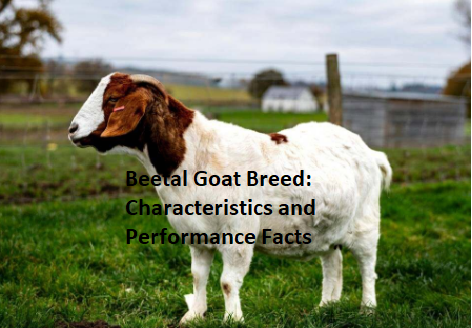
Unlike smaller breeds, they possess a sturdy frame and a convex nose profile, which are hallmark physical identifiers. Their large, pendulous ears and long, muscular legs make them easily recognizable to experienced livestock keepers. This physical stature supports their reputation as a robust breed capable of thriving in diverse climatic zones.
Geographic Origins and Climate Adaptability
The historical roots of the Beetal goat breed are firmly planted in the Gurdaspur, Amritsar, and Ferozepur districts of Punjab. This region experiences extreme temperature fluctuations, ranging from scorching summers to chilly winter nights.
Consequently, these animals have developed a high level of environmental resilience that allows them to perform well in various semi-arid landscapes. They do not require the temperate, stable environments that many imported dairy breeds demand to maintain their health.
When relocated to different regions, these goats typically maintain their productivity provided they receive adequate nutrition and shelter. Farmers in diverse territories have successfully integrated them into local systems by mimicking their native grazing environments.
This adaptability is a significant asset for commercial operations that cannot afford to build expensive, climate-controlled facilities. Their ability to forage efficiently on sparse vegetation helps keep overhead costs lower than those of more sensitive breeds.
Key Physical Characteristics and Appearance
When identifying a true Beetal goat breed specimen, several visual cues serve as reliable indicators. The most prominent feature is the long, drooping ears that can reach lengths of 15 to 25 centimeters.
Their coat is usually short and lustrous, appearing in varied colors such as black, brown, or tan, often with white spots or patches. The head is relatively large with a distinct Roman nose, which gives them a majestic appearance compared to smaller breeds.
These goats are also known for their strong skeletal structure and deep chest cavities, which house large lungs. This build is not merely aesthetic; it is functional, allowing for efficient oxygen intake during movement and grazing.
The legs are long and sturdy, providing the stability needed for traversing uneven terrain. Understanding these physical markers helps buyers avoid crossbred animals that may not possess the same genetic performance traits as purebred stock.
Milk Production and Nutritional Value
For many dairy-focused farmers, the Beetal goat breed is a preferred choice due to the quality and volume of its milk. A well-managed doe can produce milk for a lactation period lasting approximately 180 to 200 days.
The milk is highly sought after for its rich fat content, which typically hovers around 4.5% to 5%. This richness makes it an excellent base for dairy products like yogurt, cheese, and traditional sweets.
Achieving these production levels requires a balanced diet rich in protein and minerals. Farmers often supplement grazing with leguminous fodder or concentrate feed to ensure the animal meets its caloric requirements.
Without this nutritional support, milk volume drops rapidly, as the animal will prioritize its own metabolic maintenance over production. Providing clean, constant access to water is equally critical, as milk is composed primarily of water.
Growth Milestones and Meat Production
While dairy is a primary driver, the meat production potential of the Beetal goat breed is equally significant. Kids grow at a relatively fast rate, often reaching marketable weights within the first year.
By the age of 12 months, a healthy, well-fed buck can weigh between 40 and 50 kilograms. Their meat is lean and considered a delicacy in many markets, commanding a premium price compared to smaller or less muscular breeds.
To maximize growth rates, producers must monitor the weight gain of kids from birth. Weaning usually occurs around 3 to 4 months, at which point the transition to solid feed becomes the primary factor in development.
Providing high-quality creep feed during this period can significantly reduce the time required to reach slaughter weight. The following table illustrates the typical weight progression of a healthy Beetal goat under standard farming conditions:
| Growth Stage | Average Weight (kg) |
|---|---|
| Birth | 3.0 – 4.0 |
| 3 Months (Weaning) | 12.0 – 15.0 |
| 6 Months | 22.0 – 28.0 |
| 12 Months | 40.0 – 50.0 |
Health Management and Disease Resistance
Maintaining the health of the Beetal goat breed involves a proactive approach to vaccination and parasite control. These goats are generally hardy, but they remain susceptible to common caprine diseases like Peste des Petits Ruminants (PPR) and enterotoxemia.
Establishing a rigorous vaccination schedule is the most effective way to prevent costly outbreaks within a herd. Many farmers follow guidelines provided by the Food and Agriculture Organization of the United Nations to ensure their herd management aligns with global biosecurity standards.
Internal parasites, such as worms, represent a significant threat to productivity and weight gain. Regular deworming, combined with rotational grazing practices, keeps parasitic loads at manageable levels.
Furthermore, foot rot can occur in areas with high humidity or poor drainage, making regular hoof trimming a necessary maintenance task. Keeping the bedding area dry and well-ventilated is the best defense against respiratory issues, which can otherwise lead to chronic health degradation.
Economic Considerations for Farmers
Investing in the Beetal goat breed requires a clear understanding of both the initial costs and the long-term revenue streams. The purchase price for a high-quality breeding animal can vary based on pedigree, age, and health history.
Once established, the recurring costs include feed, labor, medical supplies, and shelter maintenance. Evaluating these expenses against the market price for milk and meat is essential for ensuring profitability.
* Milk Sales: Direct sales to local consumers or dairy processors provide a consistent daily income.
* Meat Sales: Selling bucks during festival seasons often fetches significantly higher market prices.
* Breeding Stock: Selling high-quality, registered kids to other farmers can be more lucrative than selling for meat.
* Manure: Goat manure is a highly effective organic fertilizer that can be sold to local agricultural operations.
* Hide Production: The skin of these goats is durable and can be sold to local tanneries for supplementary income.
Frequently Asked Questions
What is the primary specialty of the Beetal goat?
The Beetal goat breed is primarily recognized as a dual-purpose animal, meaning it is highly valued for both its impressive milk production and its rapid growth for meat production.
Which state is the Beetal goat most common in?
This breed is most commonly found in the Punjab region of India and Pakistan, where it has been traditionally reared by local farmers for generations.
What is the typical lifespan of a Beetal goat?
With proper care, nutrition, and regular veterinary check-ups, a healthy Beetal goat can typically live for 10 to 12 years, though their peak productive years usually occur between the ages of 2 and 6.
Is the Beetal goat considered good for meat production?
Yes, it is highly regarded for meat production due to its large frame, muscular build, and the relatively fast growth rate of its kids, which reach market weight quickly.
How often should a Beetal goat be bred?
These goats are polyestrous, meaning they can breed throughout the year, but most farmers manage them for two kidding cycles every 18 to 24 months to ensure the health of the doe.
Conclusion
The Beetal goat breed represents a balanced and efficient choice for farmers who prioritize both dairy output and meat quality. By understanding their specific physical requirements, dietary needs, and growth milestones, owners can foster a productive and sustainable herd. Success with these animals requires consistent attention to health management and a commitment to providing the right environment for them to thrive.
Whether you are expanding an existing operation or starting a new venture, focusing on the quality of your breeding stock will pay dividends over time. As you begin or continue your journey with this resilient animal, remember that meticulous record-keeping and proactive care remain the most reliable paths to achieving success with the Beetal goat breed.
