

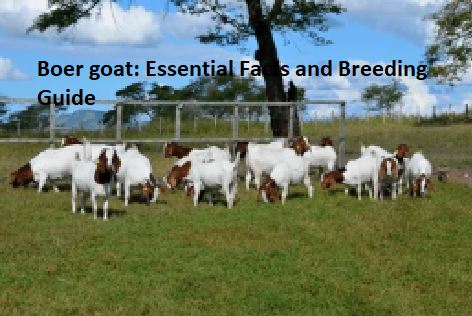
The Boer goat represents the gold standard in the meat goat industry due to its rapid growth rates and superior carcass quality. Originating in South Africa, this breed was developed specifically for its ability to produce high-quality protein in challenging environments.
Understanding the nuances of this animal is critical for anyone looking to enter the livestock business or optimize their current herd’s performance. You will gain a clear perspective on the breed’s distinct physical traits, the economic realities of raising them, and the specific management practices required to ensure their long-term health and profitability.
What Defines a Boer Goat
The primary characteristic that distinguishes a Boer goat from other breeds is its blocky, muscular build. These animals were selectively bred for meat production, resulting in a frame that carries significantly more flesh than dairy or fiber-producing goats. You can easily identify them by their white bodies and distinctively colored heads, which range from light tan to deep reddish-brown.
Their ears are long and pendulous, hanging loosely rather than standing upright like those of a Saanen or Alpine goat. This physical trait is a hallmark of the breed’s South African heritage, helping them regulate body temperature in arid climates. When you observe a mature buck, you should expect to see a strong, well-muscled neck and a broad chest.
These goats are also noted for their high fertility rates and exceptional mothering instincts. A healthy doe frequently produces twins or even triplets, which can significantly accelerate the growth of your herd. Because they are browsers by nature, they are highly efficient at converting brush and weeds into muscle, making them valuable for land management as well as meat production.
Economic Value and Market Pricing
The cost of a Boer goat varies dramatically based on its pedigree, age, and intended use. For a commercial-grade wether—a castrated male intended for meat—you might pay between $250 and $450 in the current market. If you are looking for registered, breeding-quality stock with documented genetics, the prices jump significantly.
High-quality, registered breeding bucks often command prices ranging from $800 to $2,500. Exceptional individuals with show-winning bloodlines can exceed $5,000 at specialized auctions. These premiums reflect the investment breeders have made in tracking traits like growth rate, muscling, and parasite resistance.
When calculating the return on your investment, remember that these animals reach market weight faster than most other breeds. A well-fed kid can reach a slaughter weight of 80 to 100 pounds in approximately 6 to 9 months. This efficiency is the primary reason why they dominate the meat goat sector, as it allows for a faster turnover of capital.
Comparison with Other Goat Breeds
Understanding how the Boer goat compares to other common breeds helps in selecting the right animal for your specific goals. While dairy goats are optimized for lactation, the Boer is optimized for muscle deposition. The following table highlights the primary functional differences between these types.
| Breed Type | Primary Output | Growth Rate | Muscling |
|---|---|---|---|
| Boer | Meat | Very Fast | Heavy/Dense |
| Nubian | Dual (Milk/Meat) | Moderate | Medium |
| Spanish | Meat (Hardy) | Slow/Steady | Lean |
| Angora | Fiber (Mohair) | Slow | Minimal |
The Boer goat’s meat is widely considered superior due to its tenderness and flavor profile. Unlike some other meat breeds that may become tough as they age, Boer crosses retain a manageable texture even at heavier weights. This makes them a favorite among chefs and consumers who prioritize quality in their goat meat consumption.
Space and Land Requirements
One of the most frequent questions regarding goat management is how much acreage is actually necessary. A common rule of thumb is that you can support 6 to 8 mature goats per acre of well-managed pasture. However, this figure depends heavily on your local forage quality and your willingness to provide supplemental feed.
If you are raising them in a dry-lot or confinement system, you need less land but significantly more infrastructure. You must provide at least 15 to 20 square feet of indoor shelter space per goat to prevent overcrowding and stress. Overcrowded conditions are a leading cause of respiratory issues and internal parasite outbreaks in goat herds.
Rotation is essential to keep your land healthy and your goats productive. You should divide your available acreage into smaller paddocks to allow for intensive grazing. Rotating the animals every few days prevents them from grazing too close to the soil, which is where they are most likely to ingest the larvae of internal parasites.
Key Management and Health Considerations
Maintaining the health of a Boer goat herd requires a proactive approach to parasite control and nutrition. Because this breed is susceptible to internal parasites like Haemonchus contortus, you must monitor their FAMACHA scores regularly. This system involves checking the color of the lower eyelid to determine if the animal is suffering from anemia due to worm load.
Nutrition also plays a massive role in their overall performance and immune function. During the breeding and lactation phases, does require higher protein levels to sustain their milk production and support their kids. You can find detailed nutritional guidelines through the eXtension Foundation, which provides evidence-based resources for livestock management.
* Vaccinations: Consult your local vet to establish a schedule for CD/T shots.
* Hoof Care: Trim hooves every 6 to 12 weeks to prevent foot rot.
* Mineral Supplementation: Provide a high-quality, copper-containing loose mineral mix.
* Shelter: Ensure they have a dry, draft-free area protected from extreme weather.
Breeding for Genetic Improvement
To succeed in the long term, you must focus on selecting animals that exhibit superior structural integrity and growth performance. Do not simply buy the largest goat available; look for a balance between size, structural correctness, and maternal ability. A buck that is overly large but lacks proper leg structure will struggle to breed effectively and may pass on poor conformation to his offspring.
Documenting your breeding cycles is essential for genetic progress. Keep records of birth weights, weaning weights, and the number of kids per doe. If a specific doe consistently produces small or sickly kids, she should be culled from your breeding program regardless of her physical appearance.
Focusing on “functional” traits will serve you better than chasing temporary show ring trends. A goat that looks perfect but cannot thrive on your specific forage or management style is a liability. Prioritize animals that maintain weight easily and demonstrate natural resistance to common diseases found in your region.
Common Challenges for Breeders
Raising this breed is not without its difficulties, particularly for beginners who underestimate the impact of predators and climate. Coyotes, stray dogs, and even birds of prey can devastate a kid crop in a single night. You must invest in appropriate fencing, such as high-tensile woven wire, or utilize guardian animals like Great Pyrenees or Anatolian Shepherds.
Climate adaptation is another hurdle if you are located in an area with extreme humidity or cold. While they are resilient, they do not handle constant wet, cold conditions as well as some other breeds. You must ensure your barns are ventilated to prevent the buildup of ammonia, which can lead to pneumonia.
Finally, marketing your product is a skill that takes time to develop. You need to identify your target market: are you selling to other breeders, or are you targeting the ethnic meat market? Each channel requires a different approach, with breeders wanting registration papers and meat buyers looking for consistent weight and carcass finish.
Frequently Asked Questions
What is the typical lifespan of a Boer goat?
A healthy, well-managed goat typically lives between 8 and 12 years. Their productive breeding life usually peaks between the ages of 2 and 6 years, after which their fertility and health may begin to decline.
Are these goats difficult to keep fenced in?
They are notoriously curious and can be escape artists if their nutritional needs aren’t met. A sturdy, 4-foot-tall woven wire fence is usually sufficient, but you must ensure it remains tight and that there are no gaps near the ground.
Do they require special feed to grow fast?
While they thrive on forage, they do require supplemental grain during periods of high demand, such as late pregnancy or lactation. High-quality hay is also vital during winter months when pasture is unavailable.
Can they live with other breeds of goats?
Yes, they can coexist with other breeds, provided the herd is managed for disease control. However, be aware that different breeds may have different susceptibility levels to parasites, which can complicate your treatment schedule.
Is it profitable to raise them on a small scale?
Profitability is achievable on a small scale if you focus on high-value sales, such as selling breeding stock or registered kids. Raising them exclusively for commodity meat production often requires a larger herd size to reach the necessary economies of scale.
Final Thoughts
The Boer goat remains a cornerstone of the meat industry because of its unmatched ability to convert forage into high-quality protein. Whether you are aiming to start a small homestead herd or a large-scale commercial operation, the principles of success are consistent. You must prioritize structural health, proactive parasite management, and a deep understanding of your local market demands.
By focusing on functional traits and keeping detailed records of your herd’s performance, you can build a sustainable and profitable business. Start by acquiring healthy, well-documented foundation stock and ensure your infrastructure is ready before the animals arrive.
The effort you invest in the early stages will pay off in the form of a robust, productive herd that thrives for years to come. If you have any specific questions about local regulations or feed sources, reaching out to your regional agricultural extension office is a great next step.
