

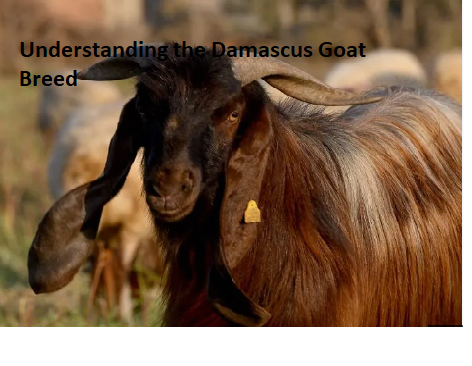
The Damascus goat breed is a unique animal known for its distinct physical appearance and high dairy production capabilities. Originating from the Middle East, particularly Syria, this breed has gained significant attention globally among livestock enthusiasts and commercial farmers.
Understanding why these animals are highly sought after requires looking beyond their unusual facial structure to their functional traits. You will find that these goats offer a balance of aesthetic curiosity and practical agricultural utility for those prepared to manage their specific needs.
Core Physical Characteristics
The most recognizable feature of the Damascus goat breed is its convex facial profile, often referred to as a “Roman nose.” This unique skull structure gives them a look that is quite different from standard dairy breeds like the Alpine or Saanen. Their ears are another defining trait, as they are typically very long, pendulous, and sometimes curled, which is a hallmark of the breed’s genetic heritage.
These goats are generally medium to large in size, with a robust frame that supports their high milk output. A mature doe can weigh between 60 to 90 kilograms, while bucks are often significantly heavier.
Their coat color is predominantly red or brown, though variations exist depending on the specific bloodline and regional breeding practices. The hair is usually short and sleek, making them well-adapted to the hot, arid climates where they originated.
Dairy Production Potential
For many producers, the primary draw is the exceptional milk yield associated with this breed. A high-performing doe can produce anywhere from 3 to 5 liters of milk per day during her peak lactation cycle.
This output is impressive when compared to many other dual-purpose breeds that struggle to maintain such volume over extended periods. The milk is also highly prized for its high fat and protein content.
These nutritional characteristics make their milk ideal for the production of high-quality cheeses and yogurt. In their native regions, the milk is a staple for traditional dairy products that require a rich base.
Farmers looking to scale their dairy operations often find that this breed provides a superior return on investment per animal. Proper nutrition and management are essential to ensure that the does reach their full potential throughout the lactation period.
Adaptability and Climate Tolerance
The Damascus goat breed has evolved to thrive in harsh, semi-arid environments, which makes them remarkably resilient in challenging conditions. They handle extreme heat better than many European breeds that require more temperate climates to maintain health and production. This tolerance is a result of generations of selective breeding in the Levant region.
While they are heat-tolerant, they still require adequate shade and ventilation to perform at their best. They are not strictly desert animals, as they have been successfully integrated into various farming systems across the globe.
However, prospective owners should ensure that the housing environment mimics their need for dry, well-ventilated spaces. Excessively humid or damp conditions can lead to respiratory issues, which these goats are somewhat prone to if not managed correctly.
Economic Value and Market Demand
High-quality specimens of this breed can command premium prices in international markets. Because of their rarity in certain parts of the world, breeding stock is often sold for thousands of dollars.
The value is driven by both their dairy performance and their status as a unique, ornamental, or show-quality animal. Collectors and specialized breeders often pay a premium for goats with the most pronounced “ideal” facial features.
When considering the purchase of breeding stock, you must evaluate the pedigree and health history of the animal. Prices fluctuate significantly based on the breeder’s reputation and the lineage of the goat.
It is recommended to work with established associations to verify the authenticity of the breed’s traits. Investing in top-tier genetics is the standard approach for those looking to start a profitable breeding program.
- High daily milk production (3–5 liters per day)
- Excellent heat tolerance in arid climates
- Unique aesthetic appeal for show and exhibition
- High-fat milk quality suitable for artisanal cheese
- Strong genetic resilience when managed in proper environments
Nutritional and Management Requirements
Feeding the Damascus goat breed requires a balanced approach to ensure they maintain their body condition while producing high volumes of milk. They are efficient foragers, but in a commercial dairy setting, they require high-quality forage supplemented with concentrates. Providing access to clean water is non-negotiable, especially in hotter climates where their metabolic rate remains high.
Mineral supplementation is critical for this breed to prevent common deficiencies that affect productivity. You should consult with a local veterinarian or nutritionist to design a feeding regimen that matches your specific local vegetation and climate.
Regular health checks, including hoof trimming and parasite management, are necessary to keep the herd in peak condition. The following table provides a general comparison of common dairy goat traits.
| Breed | Average Milk Yield (L/day) | Adaptability | Distinguishing Feature |
|---|---|---|---|
| Damascus | 3.0 – 5.0 | High (Arid) | Roman nose/Long ears |
| Alpine | 2.5 – 4.0 | Medium | Upright ears |
| Saanen | 3.5 – 5.5 | Low/Medium | White coat |
| Nubian | 2.0 – 3.5 | Medium | Long ears |
Common Health Considerations
As with any highly specialized livestock, the Damascus goat breed faces specific health challenges that owners must monitor. Respiratory infections are a primary concern, particularly if the animals are kept in poorly ventilated barns during cold or wet seasons. Maintaining a dry environment is the most effective way to prevent these issues from escalating.
Parasite control is another area that requires consistent attention. Because they are often kept in intensive systems, the risk of internal parasites can be higher than in free-range herds.
Developing a proactive deworming schedule with a veterinary professional is essential for long-term health. You can find more detailed information on livestock health protocols via the Food and Agriculture Organization of the United Nations website.
Breeding and Genetic Preservation
Preserving the purity of the Damascus goat breed is a priority for serious enthusiasts who want to maintain the specific traits that make the animal valuable. Crossbreeding can sometimes lead to a loss of the characteristic facial structure or a decline in milk production consistency. Ethical breeding involves careful selection of bucks and does that exhibit the best breed standards.
Genetic testing is becoming more common among top-tier breeders to ensure that the animals are free from recessive disorders. This practice helps ensure the longevity of the breed and protects the investment of future owners.
By documenting lineages and participating in breed registries, you contribute to the stability of the breed’s future. It is a long-term commitment that requires patience and a deep understanding of animal husbandry.
Frequently Asked Questions
What are Damascus goats primarily used for?
They are primarily valued as high-producing dairy goats. Their milk is rich and creamy, making it excellent for cheese production. They are also highly prized in show rings for their unique, distinct facial features.
Why are these goats often expensive?
The price is driven by their status as a specialty breed. High-quality individuals with perfect physical traits are rare outside of their native regions. Breeders invest significant time and resources into maintaining pure bloodlines, which adds to the cost.
How big do they get when fully grown?
A mature doe usually reaches 60 to 90 kilograms. Bucks are typically larger and more muscular, often exceeding 100 kilograms depending on their diet and lineage. They are considered a large-framed breed compared to many common dairy goats.
Do they have specific health issues to watch for?
They are susceptible to respiratory issues if kept in damp or poorly ventilated housing. Owners must also manage parasite loads proactively, as their high production levels can put stress on their immune systems if they are not well-nourished.
Are they difficult to keep for beginners?
They are not necessarily “difficult,” but they do require more specialized care than hardier, local landrace breeds. If you can provide a dry, clean environment and follow a strict nutritional plan, they can be managed successfully by dedicated hobbyists.
Conclusion
The Damascus goat breed represents a fascinating intersection of agricultural utility and distinct biological character. For farmers and enthusiasts who can provide the right environment, these animals offer substantial milk production and a unique presence in any herd. Success with this breed relies on careful management, a focus on health, and a commitment to maintaining high genetic standards.
Whether you are interested in their dairy output or their striking appearance, they remain a significant part of the global caprine landscape. If you are considering adding these goats to your farm, start by connecting with established breeders to learn about the specific needs of the lines available in your region. Your dedication to their care will be rewarded with some of the most productive and distinct animals in the industry.
