

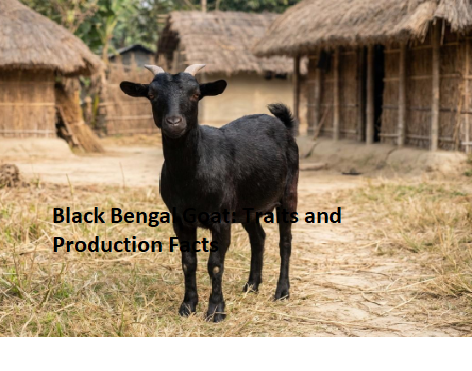
The Black Bengal goat stands out as one of the most economically significant small ruminant breeds in South Asia, particularly across Bangladesh and parts of India. Known for its exceptional adaptability and high-quality meat production, this breed supports millions of smallholder farmers who rely on its hardiness in tropical climates. Understanding the specific biological and productive traits of this animal is essential for anyone interested in sustainable livestock management or agricultural development in the region.
The average weight of a mature Black Bengal goat typically ranges between 15 and 20 kilograms for females, while males often reach 20 to 25 kilograms. These animals are relatively small in stature, but they possess a high feed conversion efficiency that makes them highly profitable for meat-focused operations. Their compact frame allows them to thrive on minimal forage, making them a preferred choice for rural households with limited grazing land.
Key Physical and Biological Characteristics
The Black Bengal goat is easily distinguished by its short, sleek, and typically black coat, although variations like white, brown, or grey sometimes occur. They have a short neck, small ears, and a narrow, well-proportioned body that reflects their adaptation to the humid, hot environments of the Bengal delta. Their limbs are short and sturdy, which gives them stability when navigating the flooded or uneven terrain common in their native habitat.
One of the most notable biological traits is their high reproductive rate. Does often reach sexual maturity between 6 and 7 months of age and are capable of producing two litters per year.
Twinning and even tripling are common occurrences, which allows a small herd to expand rapidly under proper management conditions. This prolific nature is a primary reason the breed remains a cornerstone of rural poverty alleviation programs.
Meat Quality and Market Demand
The meat of the Black Bengal goat is widely regarded for its superior taste and texture compared to larger, more common breeds. It is known for having a lower fat content and a distinct flavor profile that is highly sought after in local markets and traditional culinary preparations. Because of this high demand, the market price for this goat meat often commands a premium over other varieties available in the same region.
Producers find that the dressing percentage of this breed is remarkably high, often exceeding 50% in healthy, well-fed animals. This efficiency translates directly into higher profits for farmers who sell to local butchers or regional distributors. The combination of rapid growth cycles and high meat quality creates a consistent income stream, even for farmers operating on a very small scale with only two or three animals.
Adaptability to Tropical Climates
These goats have evolved to survive in environments where other livestock species might struggle with disease or heat stress. Their natural resistance to common tropical diseases, such as Peste des Petits Ruminants (PPR) or various parasitic infections, reduces the need for expensive veterinary interventions. This resilience is a critical factor in lowering the overhead costs associated with maintaining a healthy herd.
They are also highly efficient foragers, capable of consuming a wide variety of local grasses, leaves, and agricultural byproducts. This dietary flexibility means that farmers do not need to invest heavily in specialized commercial feed to maintain the health and weight of their animals. By utilizing locally available resources, the cost of production remains low, which is a major advantage for subsistence-level farming operations.
Economic Impact on Rural Households
For many families in Bangladesh and West Bengal, the Black Bengal goat acts as a living savings account. Because they require little space and can be raised alongside other crops, they provide a secondary source of income that is both stable and reliable. Many households use the revenue generated from selling kids to pay for essential expenses like education, healthcare, or home repairs.
The ease of management allows women and children to participate actively in livestock care, fostering inclusive economic growth within rural communities. Because these animals are small, they are easier to handle and transport to local markets compared to larger cattle or buffalo. This accessibility ensures that even the most isolated farmers can participate in the regional value chain.
| Metric | Typical Value |
|---|---|
| Average Mature Weight (Female) | 15–20 kg |
| Average Mature Weight (Male) | 20–25 kg |
| Age at First Kidding | 10–12 months |
| Kidding Interval | 6–8 months |
| Dressing Percentage | 50%–55% |
Skin and Hide Quality
Beyond meat production, the skin of the Black Bengal goat is internationally recognized for its exceptional quality. The leather produced from these animals is fine-grained, soft, and remarkably strong, making it a highly valued commodity in the global leather industry. Exporting these hides provides a significant source of foreign exchange for the nations where they are raised.
The leather industry specifically categorizes this hide as “Kushtia grade,” named after a region known for its high-quality leather production. Because the skin is thin but durable, it is ideal for manufacturing luxury goods such as high-end gloves, shoes, and wallets. Farmers who manage their livestock well can often secure a secondary income by selling these hides to tanneries after the meat has been processed.
Challenges in Herd Management
Despite their hardiness, these goats are not immune to the challenges of intensive farming. Overcrowding can lead to an increase in respiratory issues and internal parasites, which can quickly deplete a herd if not managed through proper sanitation and rotational grazing. Farmers must be diligent about maintaining clean, dry housing to prevent hoof rot and other ailments common in humid regions.
Nutritional deficiencies can also occur if the animals are restricted to a single type of forage for too long. Providing a balanced diet that includes mineral supplements and high-quality protein sources is necessary to maximize growth rates and reproductive performance. You can find more detailed information on small ruminant health standards by visiting the Food and Agriculture Organization of the United Nations for global best practices.
- Low initial investment cost compared to large livestock.
- High reproductive rates leading to quick herd expansion.
- Superior meat quality and higher market price points.
- Valuable, high-quality hides for the international leather market.
- Minimal feed requirements due to excellent foraging abilities.
- Natural resistance to many endemic tropical diseases.
Frequently Asked Questions
What is the primary specialty of the Black Bengal goat?
The primary specialty of this breed is its exceptional meat quality and its high adaptability to harsh tropical environments. It is also famous for producing high-quality, fine-grained leather that is highly prized in the global export market.
Where did the Black Bengal goat originate?
This breed originated in the Bengal region, which encompasses modern-day Bangladesh and the Indian state of West Bengal. It has been selectively bred over centuries by local farmers to thrive in the specific climate and agricultural conditions of the Ganges delta.
How rare is a black goat in this breed?
A black coat is not rare at all; in fact, it is the most common color for this specific breed. While other colors like white, brown, or grey do occur, the majority of the population exhibits the signature black coloration that gives the breed its name.
How long does it take for a kid to reach market weight?
Under good management and nutrition, a kid can reach a marketable weight of 12 to 15 kilograms within 6 to 9 months. This rapid growth cycle is a key reason why farmers prefer this breed for quick financial turnover.
Are these goats difficult to raise?
They are considered one of the easiest breeds to raise because of their natural resilience and efficient foraging habits. However, they do require consistent access to clean water and dry shelter to prevent common parasitic and respiratory infections.
Final Perspectives
The Black Bengal goat remains an indispensable asset for rural economies across South Asia. Its ability to provide high-quality protein and valuable hides with minimal resource input makes it a model for sustainable small-scale farming. By focusing on proper health management and nutritional support, farmers can continue to leverage the natural strengths of this breed to improve their livelihoods.
Whether you are looking to start a small enterprise or are interested in agricultural development, the data shows that this breed offers a reliable and efficient path forward. Investing in the health and breeding of your herd will ensure you maximize the benefits that the Black Bengal goat provides to its keepers.
