

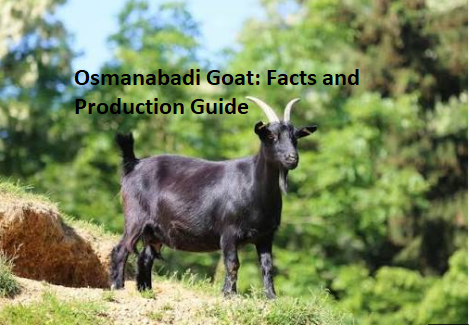
The Osmanabadi goat is a highly resilient breed native to the Maharashtra state of India, primarily found in the Osmanabad, Latur, and Tuljapur districts. Known for its exceptional ability to thrive in harsh, semi-arid climates, this breed serves as a cornerstone for sustainable meat production in rural farming communities.
Smallholder farmers value these animals for their consistent performance under low-input conditions, making them a reliable source of income. By understanding the specific biological traits and management requirements of the Osmanabadi goat, prospective breeders can significantly improve their herd productivity and profitability in challenging environments.
The primary specialty of the Osmanabadi goat lies in its high disease resistance and its impressive adaptability to temperature fluctuations. Unlike many exotic breeds that require climate-controlled environments, this hardy animal maintains productivity even during dry spells when fodder is scarce.
They are primarily raised for meat, as their carcass quality is superior, providing a lean, high-yield product that is in constant demand across regional markets. Additionally, these goats exhibit a strong capacity for foraging, meaning they require less expensive supplemental feed compared to other commercial dairy or meat breeds.
Physical Characteristics and Weight Milestones
The Osmanabadi goat typically features a black, uniform coat, though variations with white patches are occasionally observed. They are medium-sized animals with a sturdy frame, well-suited for the rugged terrain of the Deccan Plateau. An adult male often weighs between 35 to 45 kilograms, while females typically fall in the range of 30 to 35 kilograms. Their ears are medium-sized and drooping, a trait that helps them regulate body temperature in the intense summer heat of their native region.
Growth rates are a critical factor for farmers calculating their return on investment. At the age of 6 months, a well-fed male Osmanabadi kid will generally weigh between 18 to 22 kilograms.
By the time the animal reaches 8 months, it often hits a weight of 25 to 28 kilograms under proper management. At 12 months, these goats frequently reach a mature weight of 30 to 35 kilograms, showing a steady and reliable growth curve that supports efficient meat production cycles.
Comparison with Other Local Breeds
When comparing the Osmanabadi goat to other popular breeds like the Salem Black, the choice depends largely on the specific environmental conditions of the farm. The Salem Black is often praised for its high fertility and excellent mothering instincts in the southern regions of India. However, the Osmanabadi breed is often preferred in the central plateau due to its superior hardiness against local parasites and tick-borne diseases. The following table highlights some of the key differences in production expectations for these two breeds.
| Feature | Osmanabadi Goat | Salem Black Goat |
|---|---|---|
| Primary Region | Maharashtra (Deccan Plateau) | Tamil Nadu |
| Weight (Adult Male) | 35–45 kg | 30–40 kg |
| Climate Suitability | Semi-arid, hot | Tropical, humid |
| Disease Resistance | Very High | Moderate to High |
Economic Factors and Market Pricing
The price of an Osmanabadi goat in cities like Pune or Aurangabad fluctuates based on the animal’s age, health, and seasonal demand. During major festivals like Eid, prices can see a sharp increase due to the high demand for quality meat animals. On average, a healthy, one-year-old male can cost anywhere from 8,000 to 15,000 Indian Rupees. Farmers selling directly to local butchers often receive a lower price than those who sell directly to consumers during peak festive periods.
Market value is also heavily influenced by the animal’s pedigree and the quality of its feed. Goats that have been stall-fed with high-protein supplements often command a premium price compared to those that are exclusively range-fed.
Maintaining accurate records of weight and health treatments can help a farmer justify a higher asking price. For more information on livestock development and regional agricultural initiatives, you can visit the Department of Animal Husbandry and Dairying for official policy updates and technical resources.
Reproductive Performance and Breeding
Osmanabadi goats are known for their high prolificacy, which is a significant advantage for commercial meat operations. It is not uncommon for a healthy doe to produce twins or even triplets under optimal nutritional conditions. They typically reach sexual maturity around 9 to 10 months of age, allowing for a relatively fast turnover in herd population. Proper breeding management involves selecting bucks that exhibit strong growth traits to ensure that the offspring inherit the hardiness of the parent generation.
Breeding cycles in this region often align with seasonal rainfall to ensure there is an abundance of green forage for the nursing does. Farmers should monitor the body condition score of their does before and during the breeding season to ensure successful conception.
Providing a mineral-rich diet during the last trimester of pregnancy is essential for reducing the risk of birth complications. A well-managed breeding program is the most effective way to ensure the long-term sustainability of an Osmanabadi goat farm.
Nutritional Management for Maximum Growth
While these goats are excellent foragers, relying solely on grazing often limits their potential weight gain. Supplementing their diet with legumes, tree leaves like subabul or gliricidia, and small amounts of grains can accelerate growth significantly. Water availability is just as important as food, especially in the hot, dry climate of central India. A single goat may require 3 to 5 liters of water per day depending on the temperature and the level of activity.
* Grazing: Utilize natural pastures for at least 6 hours daily.
* Concentrates: Provide a mix of crushed maize, wheat bran, and gram husk.
* Minerals: Use salt licks to prevent common mineral deficiencies.
* Green Fodder: Incorporate seasonal grasses or cultivated crops like alfalfa.
Farmers should avoid overgrazing the same patch of land to prevent the buildup of internal parasites. Implementing a rotational grazing system allows vegetation to recover and keeps the animals healthier by reducing their exposure to contaminated soil. Proper nutrition is the foundation of a profitable goat farm, and consistent management practices will always yield better results than sporadic, heavy feeding.
Health and Disease Control Strategies
The Osmanabadi goat is naturally hardy, but it is not immune to common caprine diseases like Peste des Petits Ruminants (PPR) or foot-and-mouth disease. Establishing a vaccination schedule is the single most important step in protecting the herd from catastrophic losses. Consult with a local veterinarian to create a calendar that includes regular deworming and vaccination against common regional threats. Keeping the shelter clean, dry, and well-ventilated is equally vital for preventing respiratory issues.
Signs of illness often manifest as a loss of appetite, dull eyes, or a rough coat. Early detection is key, so spending time observing the herd daily allows the owner to spot subtle changes in behavior.
Quarantine new animals for at least 15 to 21 days before introducing them to the main herd to prevent the spread of infectious diseases. A proactive health strategy keeps medical costs low and ensures the long-term productivity of the entire operation.
Infrastructure Requirements for Success
Housing for an Osmanabadi goat does not need to be expensive or elaborate, but it must be functional. A raised platform floor made of bamboo or wooden slats helps keep the animals off the damp ground and makes cleaning easier. Proper ventilation prevents the buildup of ammonia, which can damage the animals’ lungs over time. Ensure the shelter has enough space for each goat to move comfortably, typically requiring about 10 to 12 square feet per animal.
Security is another factor that cannot be overlooked, as predators like stray dogs or wild animals can pose a threat at night. Fencing the grazing area with sturdy wire mesh provides an added layer of protection for the herd.
Having a dedicated area for storing feed and supplies keeps the operation organized and protected from moisture. A well-designed facility reduces daily labor, allowing the farmer to focus on improving the genetics and overall health of their stock.
Frequently Asked Questions
What is the main advantage of raising an Osmanabadi goat?
The primary advantage is their extreme resilience and adaptability to hot, semi-arid climates. They maintain high productivity even with minimal inputs, making them ideal for small-scale farmers in regions with scarce resources.
How much does an Osmanabadi goat weigh at 8 months?
At 8 months of age, a healthy, well-nourished Osmanabadi goat typically weighs between 25 to 28 kilograms. This weight can vary depending on the quality of grazing and the level of supplemental feed provided.
Is the Osmanabadi goat better than other breeds?
Whether it is “better” depends on your location and goals. While it may not produce as much milk as specialized dairy breeds, its hardiness and meat quality make it superior for meat production in the dry, harsh conditions of the Maharashtra region.
What is the typical price of an Osmanabadi goat in Pune?
Prices vary significantly based on age, weight, and the season. Generally, you can expect to pay between 8,000 and 15,000 Indian Rupees for a healthy specimen, though prices often rise during festive seasons due to higher demand.
Do these goats require special medical care?
They are naturally disease-resistant, but they still require a standard vaccination schedule. You should focus on regular deworming and protection against common regional illnesses like PPR to keep your herd thriving.
The Osmanabadi goat remains a vital asset for rural agriculture in India, offering a blend of hardiness and economic potential that few other breeds can match. By focusing on proper nutrition, consistent health monitoring, and strategic breeding, farmers can maximize the output of their herds while minimizing the risks associated with the local climate. Whether you are starting a small herd or looking to improve an existing one, the key lies in understanding the natural strengths of these animals and providing the environment they need to flourish.
Investing time into learning these practices will pay dividends in the long run. If you are interested in expanding your agricultural ventures, start by connecting with local experts who can help you source quality foundation stock for your farm.
