

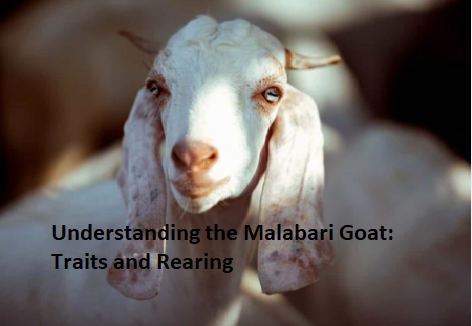
The Malabari goat is a distinct breed native to the northern regions of Kerala, India, and it plays a vital role in the rural economy of the Malabar coast. Known for its adaptability to humid tropical climates and its dual-purpose utility, this breed is a cornerstone for small-scale farmers looking for consistent milk yields and meat production.
Understanding the specific physiological traits and management requirements of the Malabari goat allows breeders to optimize their output while maintaining herd health. This article explores the unique characteristics, growth potential, and economic viability of keeping this resilient breed in diverse farming environments.
The Malabari goat is primarily recognized for its high adaptability and moderate body size, with adult males typically weighing between 30 and 40 kilograms and females ranging from 25 to 30 kilograms. In terms of market value, the price of a healthy Malabari goat in Kerala generally fluctuates between 8,000 and 15,000 Indian Rupees, depending heavily on the animal’s age, weight, and pedigree.
These goats are well-regarded for their prolific breeding cycles, often producing twins or triplets under proper nutritional management. Their coat colors are highly variable, ranging from solid white to black, brown, or mottled patterns, which makes them easy to identify in a mixed-herd setting.
Physical Characteristics and Breed Standards
The physical appearance of the Malabari goat is defined by a compact body structure that allows for agility in varied terrains. They possess short, fine hair that helps them regulate body temperature in the sweltering heat of the Malabar region.
Most individuals exhibit a straight or slightly convex facial profile, with ears that are usually medium-sized and drooping. These goats are not noted for massive size, but they make up for it with a high feed-conversion ratio.
Both sexes are typically horned, with horns that curve slightly backward and outward. Their legs are relatively short but strong, supporting a sturdy frame that is well-suited for foraging on hilly slopes or browsing in thickets.
The skin of the Malabari goat is generally thin and soft, which is an important trait for farmers interested in the quality of the hide. Breeders often look for a balanced stance and a healthy, alert disposition when selecting stock for their farms.
Milk Production Capabilities
One of the primary reasons farmers invest in the Malabari goat is its respectable milk yield relative to its size. A lactating doe can produce approximately 1 to 1.5 liters of milk per day under optimal conditions and good grazing.
While this may seem low compared to high-output dairy breeds like the Alpine or Saanen, the milk is highly prized for its fat content. The fat percentage often ranges from 3.5% to 4.5%, making it rich and nutritious for both human consumption and kid growth.
Consistent milk production is sustained through a combination of open grazing and supplemental feeding. Farmers often provide a mixture of cereal grains and oil cakes to boost the lactation curve during the peak months of the year.
Because these goats are hardy, they do not require the intensive medical intervention that high-production exotic breeds often demand. Managing the lactation cycle requires careful monitoring of the doe’s body condition score to ensure she remains healthy for future breeding seasons.
Climate Adaptation and Environmental Resilience
The Malabari goat has evolved to thrive in the high-humidity, high-temperature environment of the Indian subcontinent. Unlike many temperate breeds that suffer from heat stress or respiratory issues in tropical zones, this breed shows remarkable resistance to common parasites and diseases.
Their metabolic rate is perfectly tuned for the local forage availability, allowing them to maintain weight even when pasture quality fluctuates seasonally. This natural resilience reduces the overall veterinary expenditure for the average farmer.
Housing these animals requires minimal infrastructure, focusing mainly on protecting them from heavy monsoon rains. A raised platform or slatted floor in the shed is often recommended to prevent moisture buildup and hoof rot.
Proper ventilation is essential, even in humid climates, to maintain air quality and prevent the spread of respiratory pathogens. By mimicking their natural environment, farmers can ensure long-term productivity without needing expensive climate-control systems.
Economic Viability and Market Trends
Investing in a small herd of these goats can provide a steady secondary income for rural households. The demand for chevon, or goat meat, remains high throughout the year, ensuring that male kids can be sold for a profit at a relatively young age.
Market prices for meat vary based on the season, with significant spikes during major festivals when demand for high-quality protein increases. For more detailed information on livestock management, the Food and Agriculture Organization provides comprehensive resources on sustainable animal husbandry practices.
Farmers who manage their herds with a focus on selective breeding often see better returns on their investment. By keeping the best-performing does and introducing high-quality bucks, the overall genetic health of the herd improves over time.
This approach also allows for the sale of breeding stock to other farmers, which can be more lucrative than selling exclusively for meat. Keeping accurate records of birth dates, vaccination schedules, and growth rates is essential for maximizing these economic opportunities.
Comparison of Key Goat Breed Metrics
When evaluating the performance of local breeds against others, it helps to look at the metrics that drive profitability. The table below outlines common characteristics that distinguish the Malabari goat from other popular breeds in the region.
| Breed | Average Weight (Male) | Milk Yield (Daily) | Primary Utility |
|---|---|---|---|
| Malabari Goat | 35 kg | 1.0 – 1.5 L | Dual-purpose |
| Jamnapari | 60 kg | 2.0 – 2.5 L | Dairy |
| Tellicherry | 30 kg | 0.8 – 1.2 L | Meat |
| Beetal | 50 kg | 1.5 – 2.0 L | Dairy |
Nutritional Requirements and Forage Management
A balanced diet is the cornerstone of a successful goat farming operation. Malabari goats are naturally browsers, meaning they prefer to feed on leaves, shrubs, and small branches rather than just grass.
Providing access to a diverse range of vegetation ensures they receive a full spectrum of minerals and vitamins. If grazing space is limited, farmers must supplement with high-quality fodder like alfalfa or leguminous crops.
Clean water is perhaps the most overlooked aspect of goat nutrition. A lactating doe requires significantly more water than a dry doe to maintain her milk production and metabolic functions.
Mineral blocks should be available at all times to prevent deficiencies that can lead to poor coat condition or reproductive failure. Following a strict feeding schedule helps stabilize the goat’s digestive system, preventing issues like bloat or acidosis that can occur with sudden diet changes.
Best Practices for Herd Health
Disease prevention is far more cost-effective than treatment for any livestock operation. The Malabari goat is generally robust, but it remains susceptible to common issues like internal parasites and peste des petits ruminants (PPR).
Implementing a routine deworming schedule is critical, especially during the onset of the monsoon season when parasite loads in pastures increase. Regular vaccination protocols should be discussed with a local veterinarian to protect the herd from common outbreaks.
Good hygiene within the shed significantly reduces the risk of mastitis in milking does. Bedding should be kept dry, and feeders should be cleaned regularly to prevent mold growth.
Observing the herd for behavioral changes is a simple but effective way to catch health issues early. If a goat becomes lethargic or stops eating, immediate isolation is necessary to prevent the potential spread of contagious conditions.
Frequently Asked Questions
What is the typical lifespan of a Malabari goat?
A healthy Malabari goat, when provided with adequate nutrition and veterinary care, typically lives for about 8 to 12 years. Their productive breeding life usually lasts for about 6 to 8 years, after which their fertility may decline.
How often does a Malabari goat give birth?
These goats are known for their high fertility and can often kid twice in a period of 15 to 18 months. Proper nutrition and a low-stress environment are the primary factors that influence this reproductive frequency.
Are Malabari goats difficult to keep in small spaces?
They are actually quite well-suited for small-scale farming because of their moderate size and calm temperament. As long as they have enough space to move and access to fresh air, they can thrive in confined or semi-confined systems.
What is the best way to identify a purebred Malabari goat?
Identifying a purebred usually involves looking at the breed’s standard characteristics, such as the medium-sized drooping ears, the specific coat patterns, and the body shape. Consulting with local agricultural extension offices or established breeders is the best way to verify pedigree.
Can Malabari goats be crossbred with other varieties?
Yes, crossbreeding is a common practice to improve specific traits like milk yield or body size. However, farmers should be careful to maintain the hardiness of the Malabari breed, as some exotic breeds are less resistant to local tropical diseases.
Conclusion
The Malabari goat stands out as an exceptional choice for those involved in small-scale animal husbandry within the tropical regions of India. Its ability to produce both milk and meat while maintaining a low-maintenance profile makes it an ideal asset for rural farmers. By focusing on consistent nutrition, proactive health management, and selective breeding, keepers can ensure the long-term viability of their herds.
Whether you are looking to supplement your income or establish a dedicated livestock business, this breed offers a reliable and proven path toward success. If you are starting your own herd, take the time to observe the animals’ individual needs and consult with local experts to refine your approach. With careful attention to detail, the Malabari goat will undoubtedly serve as a productive and rewarding addition to any farm.
