

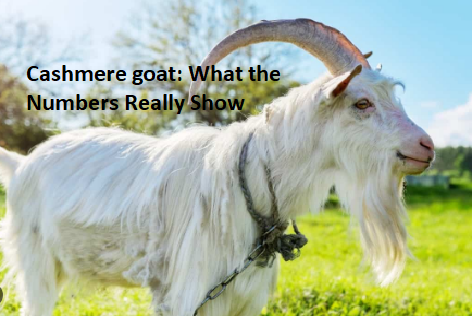
The Cashmere goat is a fascinating animal prized globally for its exceptionally soft, insulating undercoat. While many people associate these animals solely with luxury textiles, they represent a significant commitment for small-scale farmers and commercial breeders alike.
Understanding the nuances of their care, production yields, and market viability is essential for anyone considering keeping them. By exploring the specific biological needs and economic realities surrounding the Cashmere goat, you will gain a clearer picture of whether this unique livestock fits your agricultural goals or investment interests.
What is the typical cost of a Cashmere goat?
Acquiring a quality animal often involves a significant upfront investment compared to standard meat-breed goats. You can expect to pay anywhere from $300 to $800 for a healthy, registered animal with good genetic lineage. High-quality breeding stock with documented fiber production records may even exceed $1,000 per head.
These prices vary based on the animal’s age, health status, and the specific quality of the cashmere fiber it produces. Beginners should prioritize purchasing from reputable breeders who can provide data on the animal’s micron count and yield.
Biological Origins and Breed Characteristics
The term “Cashmere” does not refer to a single specific breed of goat but rather to a type of fiber produced by many different goat varieties. These animals have evolved to grow a dual-layered coat that provides extreme protection against harsh, cold climates.
The outer layer consists of coarse, long guard hairs that shed rain and snow effectively. Beneath this protective layer lies the soft, downy undercoat—the prized cashmere fiber that makes these animals economically valuable.
Most animals capable of producing commercial-grade cashmere possess specific genetic traits that allow for high fiber density. The most common breeds include the Australian Cashmere Goat, the Liaoning from China, and various strains developed in North America through crossbreeding.
Breeders often select for a higher ratio of down-to-guard hair to maximize the weight of the harvestable product. This selection process has been refined over centuries, moving from traditional nomadic herding to modern, controlled genetic management.
Physical hardiness is a defining feature of the species. They are naturally adapted to high-altitude, arid environments where temperatures fluctuate drastically between day and night.
This biological resilience means they are generally lower maintenance than high-production dairy goats when managed in appropriate climates. However, their health depends heavily on proper nutrition and parasite control, which can become challenging in humid or low-lying regions.
The Anatomy of Cashmere Fiber Production
Understanding how the fiber grows is vital for managing the harvest cycle. Cashmere growth is strictly seasonal, triggered primarily by the reduction in daylight hours as autumn approaches.
As the days grow shorter, the goat begins to produce the dense, insulating undercoat in preparation for winter. The cycle reverses in the spring, at which point the goat naturally begins to shed the downy fibers.
Farmers must be ready to harvest the fiber during this specific molting window to prevent loss. If you wait too long after the warming trend begins, the goats will rub against fences and trees, causing the precious fiber to fall out and be lost in the environment.
This makes timing the shearing or combing process a critical operational skill. Many producers prefer to comb the animals by hand to separate the down from the guard hairs, though mechanical shearing is sometimes used if the herd is large.
Quality is measured by two primary metrics: fiber diameter and fiber length. Fine cashmere typically has a diameter of less than 19 microns, with the most luxurious fibers falling below 15 microns.
The length of the fiber, usually between 30mm and 50mm, dictates how easily it can be spun into yarn without breakage. These two factors, combined with the total weight of the yield, determine the ultimate market value of the raw clip.
Geographic Suitability and Climate Needs
A common misconception is that these animals require mountainous terrain to survive. While they thrive in cooler, mountainous regions, they are surprisingly adaptable to various environments provided they have shelter from extreme moisture.
Constant exposure to wet conditions can lead to skin issues and reduced fiber quality. Dry, well-draining pastures are ideal for maintaining the health of the herd.
In the United States, successful herds are found in states like Montana, Texas, and parts of the Pacific Northwest. These regions offer the necessary seasonal temperature shifts to trigger proper fiber growth.
Areas with extremely high humidity, such as the deep South, often struggle with parasite loads that can quickly devastate a herd. Before investing in a Cashmere goat, you should consult local agricultural extension services to assess your specific soil and climate conditions.
Housing requirements remain relatively modest compared to other livestock. A three-sided shelter that protects against wind and driving rain is usually sufficient for mature animals.
They are browsers by nature, preferring to eat shrubs, tree leaves, and weeds rather than just grass. This behavior makes them excellent tools for land management and brush control, though it also means they require secure fencing to keep them away from gardens or orchards.
Economic Realities of Fiber Farming
The economics of producing raw cashmere can be challenging for small-scale operators. A single goat produces a relatively small amount of downy fiber, usually between 100 and 300 grams per year.
Because the total volume is low, the profit margins on raw, unprocessed fiber are often razor-thin. Many successful farmers choose to add value by processing the fiber themselves or selling directly to artisanal spinners.
Market volatility is another factor that producers must navigate. Global prices for raw cashmere are heavily influenced by large-scale production in China and Mongolia, which can fluctuate based on trade policies and climate events in those regions.
To remain profitable, many domestic producers focus on the luxury craft market. They sell their fiber to local weavers and knitters who appreciate the traceability and quality of farm-raised, hand-processed materials.
Diversification is often the key to financial sustainability in this niche. Rather than relying solely on fiber sales, many farmers incorporate other revenue streams into their business model.
Some focus on breeding high-quality stock for sale to other hobbyists, while others leverage the animals’ natural browsing habits to offer land-clearing services. The following table highlights potential income sources for a typical operation:
| Income Source | Description | Reliability |
|---|---|---|
| Raw Fiber Sales | Selling sheared or combed down | Low to Medium |
| Breeding Stock | Selling registered, high-genetics kids | High |
| Value-Added Goods | Selling yarn, roving, or garments | Medium |
| Land Management | Renting goats for brush clearing | High |
Managing Herd Health and Nutrition
Maintaining a healthy herd is the most time-consuming aspect of ownership. These animals are susceptible to common caprine ailments, including internal parasites and hoof rot.
A proactive health program must include regular deworming, vaccination, and hoof trimming schedules. You should establish a relationship with a large-animal veterinarian who understands the specific needs of small ruminants.
Nutrition significantly impacts the quality and quantity of the fiber produced. A diet lacking in protein or essential minerals will result in brittle, short, or sparse cashmere.
Many producers supplement their goats’ grazing with high-quality hay and specialized grain mixes during the peak growth months. Monitoring the body condition score of each animal every few weeks allows you to adjust their diet before minor nutritional deficits become major health issues.
Water quality is often overlooked but plays a massive role in overall vigor. Goats are notoriously picky about their water; they will refuse to drink from dirty or stagnant sources.
Providing clean, fresh water at all times is essential for both general health and fiber development. You can find more details on standard animal husbandry practices at the USDA Animal and Plant Health Inspection Service.
Common Challenges for New Owners
Raising these animals comes with a learning curve that can be steep for beginners. One of the primary hurdles is predator control, particularly if you live in an area with coyotes, stray dogs, or mountain lions.
Using livestock guardian dogs is a common and effective strategy, but it requires training and an additional budget for food and veterinary care. Fencing must be robust enough to deter both predators and the goats themselves, who are skilled escape artists.
Another challenge is the labor-intensive nature of the harvest. If you have 20 or 30 goats, the time required to manually comb them during the spring molt can be overwhelming.
Some farmers solve this by shearing, but this results in a mixture of guard hair and down that requires significant time to separate later. You must decide whether your business model favors the speed of shearing or the purity of combing.
Marketing your product also requires effort. Most hobbyists cannot compete with industrial-scale textile mills on price.
You must focus on the story of your animals, the sustainability of your practices, and the superior quality of your raw output. Building a brand takes time, but it is the most effective way to secure a premium price for your fiber in an otherwise crowded market.
Frequently Asked Questions
Can Cashmere goats live in the US?
Yes, they thrive in many parts of the United States. They are particularly well-suited to regions with cold winters and dry, temperate springs, as these conditions support the natural growth and shedding cycles of their downy undercoat.
Why are Cashmere goats so expensive?
The price reflects the scarcity of high-quality breeding stock and the time-intensive nature of raising them. Because they produce relatively little fiber per animal, breeders must invest heavily in genetics to ensure the offspring are worth the effort required to maintain them.
How do I know if my goat is ready to be harvested?
You will notice the fiber starting to loosen from the skin as the temperature rises in the spring. You can test this by gently pulling on a small patch of wool; if it comes away easily without resistance, the molting process has begun.
Are Cashmere goats hard to raise?
They are similar to other goat breeds regarding basic care, but they require extra attention during the molting season. The primary difficulty for new owners is often managing the harvest and finding a profitable market for the small quantities of fiber produced.
Do they require a lot of space?
They require more space than indoor pets but less than cattle. A general rule of thumb is that you can keep between 4 and 6 goats per acre, depending on the quality of your pasture and the amount of supplemental feed you provide.
Final Thoughts on Fiber Production
The decision to keep a Cashmere goat should be based on a clear understanding of both the rewards and the responsibilities involved. While the production of luxury fiber is an appealing prospect, it requires significant attention to animal welfare, genetic management, and market development. Those who succeed often view the process as a long-term commitment to quality rather than a quick path to profit.
If you are prepared for the daily management, the seasonal harvest cycles, and the effort required to market your product, these animals can be a deeply rewarding addition to your property. Start by researching the specific genetics available in your region and focusing on building a small, healthy herd.
With patience and consistent practice, you can develop a sustainable operation that honors the heritage of this remarkable animal. We invite you to continue your learning by connecting with local fiber guilds or agricultural cooperatives in your area.
