

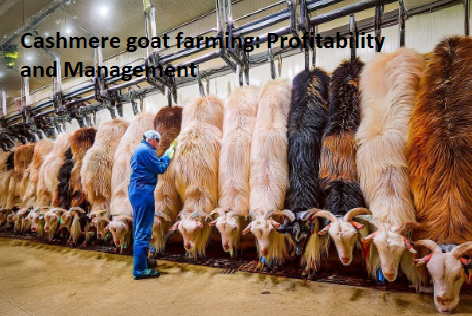
Cashmere goat farming involves the specialized production of fine, luxury-grade undercoat fibers harvested from specific breeds of goats. While traditional fiber production focuses on volume, this niche industry prioritizes the micron diameter and length of the downy undercoat.
Success in this field requires a deep understanding of animal husbandry, climate adaptation, and the volatile global market for luxury textiles. Understanding the nuances of breeding and fiber processing can determine whether an operation remains a hobby or evolves into a sustainable agricultural enterprise.
Starting Costs and Initial Investment
The cost of entering the industry varies significantly based on your region and the quality of the breeding stock. A single registered cashmere goat typically costs between $300 and $800, though high-genetics animals can command prices well above $1,500. You must also account for essential infrastructure, including specialized fencing, shelter, and shearing equipment.
Fencing is a primary expenditure because goats are notorious escape artists and need protection from predators. A high-tensile, woven-wire fence with electrified top and bottom strands is the industry standard.
Expect to spend approximately $2.00 to $4.00 per linear foot for materials and installation. Total startup costs for a small starter herd of ten goats, including basic infrastructure, often range from $8,000 to $15,000.
Land Requirements and Carrying Capacity
Land management is a critical component of Cashmere goat farming because these animals are browsers rather than grazers. They prefer shrubs, weeds, and woody plants over manicured pasture grass. A common rule of thumb is that you can support 5 to 8 goats per acre if the land is managed properly. Overstocking leads to rapid depletion of forage and increases the internal parasite burden on the herd.
Effective land use often involves rotational grazing to break the life cycle of common parasites like Haemonchus contortus. By moving the herd every 7 to 14 days, you allow the vegetation to recover and prevent the goats from grazing too close to the ground. You will need at least 10 to 15 acres to maintain a herd of 100 goats comfortably while minimizing external feed costs.
Profitability and Revenue Streams
Profitability in this sector is rarely achieved through fiber sales alone, as raw cashmere is a commodity subject to global price fluctuations. Most successful producers diversify their income through breeding stock sales, meat production, and value-added products. A healthy goat produces between 100 and 300 grams of high-quality, de-haired cashmere annually.
At current market rates, raw, dirty fiber often sells for $20 to $50 per pound, depending on the micron count and cleanliness. Processing the fiber yourself—by de-hairing, carding, or spinning—significantly increases the value of your output. Selling finished products like yarn or scarves can increase your return per ounce by 300% to 500% compared to selling raw fiber.
| Revenue Category | Estimated Annual Return (Per Goat) | Profit Margin Potential |
|---|---|---|
| Raw Fiber Sales | $10 – $25 | Low |
| Breeding Stock Sales | $300 – $800 | High |
| Finished Yarn/Products | $100 – $250 | Medium-High |
| Meat/Cull Sales | $150 – $250 | Moderate |
Essential Husbandry and Care
Cashmere goats are hardy, but they require specific care to ensure the quality of their fleece remains high. Nutrition is the most influential factor in fiber diameter; a goat that suffers from nutritional stress during the winter will produce thicker, coarser fiber. You should provide high-quality forage and supplemental minerals, specifically those formulated for small ruminants, to maintain coat health.
Health management also includes regular hoof trimming every 8 to 12 weeks to prevent foot rot and lameness. You must establish a relationship with a local veterinarian who understands caprine medicine, as goats are sensitive to common medications used for cattle or sheep. More information on proper herd management practices can be found through the USDA Natural Resources Conservation Service for guidance on pasture and grazing conservation.
- Annual shearing conducted in late winter or early spring.
- Regular body condition scoring to monitor nutritional status.
- Vaccination protocols for Clostridium perfringens types C and D.
- Predator control measures including guardian dogs or donkeys.
- Detailed record-keeping of fiber micron counts and birth weights.
The Challenge of Predation
Predation is a significant risk in Cashmere goat farming, especially for operations located near forested or rugged areas. Coyotes, bobcats, and stray dogs can decimate a herd in a single night if proper defenses are not in place. Many farmers utilize livestock guardian animals to mitigate these risks. Great Pyrenees, Anatolian Shepherds, or Maremma Sheepdogs are the most common breeds used to protect the herd.
These guardian animals are not pets; they are working members of the farm that require training from a young age. If you choose not to use dogs, you must rely on heavy-duty fencing and night-time confinement in predator-proof barns. Regardless of your choice, the loss of even one breeding doe represents a significant financial setback that takes multiple seasons to recover.
Climate and Geographic Suitability
Contrary to popular belief, cashmere goats are quite adaptable to various climates, provided they have adequate shelter. They actually grow their thickest, most valuable downy undercoat in response to cold temperatures and shorter daylight hours. This makes them well-suited for northern climates, though they can thrive in southern regions if they are kept out of direct, intense heat during the summer.
Heat stress is a major concern in warmer areas and can lead to lower fertility rates and poor fiber production. You must provide ample shade and access to clean, cool water during the hottest months of the year. If you live in a region with high humidity, you must be extra vigilant about parasite control, as warm and damp conditions are ideal for internal parasite growth.
Market Volatility and Industry Trends
The global market for cashmere is heavily influenced by large-scale production in Mongolia, China, and Iran. Small-scale producers in the United States and Europe cannot compete on volume, so they must compete on quality and traceability. Many consumers are willing to pay a premium for “farm-to-table” fibers where they know exactly how the animals were treated.
Marketing your products as ethically raised and sustainably produced is a key strategy for success. Building a brand around the unique story of your farm and the individual genetics of your herd helps create a loyal customer base. Relying solely on commodity fiber sales is a high-risk strategy, so you should focus on developing niche markets for your specific, high-quality output.
Frequently Asked Questions
Are cashmere goats difficult to keep healthy?
Cashmere goats are generally hardy and disease-resistant if they have access to adequate shelter and a clean environment. They are, however, highly susceptible to internal parasites, which requires a rigorous rotational grazing program and regular fecal testing. If managed with attention to detail, they are no more difficult to maintain than other small livestock breeds.
How many goats do I need to be profitable?
Profitability depends on your business model rather than a specific number of animals. If you focus on selling high-end breeding stock, you may only need 20 high-quality does to generate a significant supplemental income. If you rely solely on fiber sales, you would likely need a herd of several hundred to achieve meaningful economies of scale.
Can you raise cashmere goats in hot climates?
Yes, you can raise them in warmer regions if you provide adequate shade, ventilation, and fresh water. The primary concern is protecting them from heat stress, which can impact their health and fiber quality. Many farmers in warmer climates shear their goats earlier in the spring to help them stay cool throughout the summer months.
What is the most important factor for fiber quality?
Genetics is the most important factor, as it determines the potential for fiber fineness and yield. However, nutrition is the primary environmental factor; a goat that receives consistent, high-quality nutrition throughout the year will produce better fiber. Stress during the winter months, when the fiber is actively growing, will almost always lead to coarser, less valuable fleece.
How do you harvest the cashmere?
Cashmere is harvested by combing or shearing the goats during the spring molting season. Combing is more labor-intensive but results in a cleaner product with less guard hair contamination. Most commercial producers prefer shearing because it is faster, though it requires extra steps during processing to separate the coarse guard hair from the soft down.
Cashmere goat farming is a demanding but rewarding endeavor that blends agricultural tradition with modern luxury market dynamics. Success hinges on your ability to produce a high-quality, consistent fiber while maintaining a healthy, productive herd. By focusing on superior genetics, proactive health management, and diverse revenue streams, you can build a sustainable operation.
Start small, prioritize the well-being of your animals, and build your brand based on the quality of your product. Whether you aim for a boutique fiber business or a larger breeding program, the key is constant learning and adaptation to the needs of your livestock and your customers. Engaging with local agricultural extensions and breed associations is an excellent next step to refine your skills and grow your herd.
