

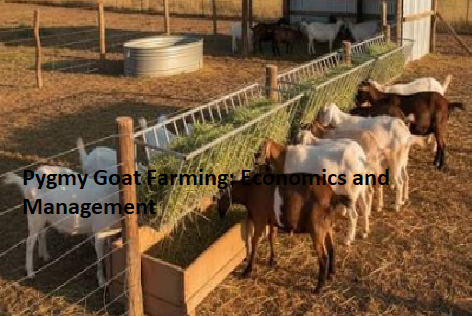
Pygmy goat farming has evolved from a niche hobby into a specialized segment of the livestock industry, appealing to both small-scale homesteaders and professional breeders. Understanding the specific physiological needs and market demands of these animals is crucial for anyone looking to enter this space.
Whether you are focusing on show-quality genetics or simply maintaining a small herd for land management, success depends on meticulous record-keeping and a deep understanding of herd health. This article provides the foundational metrics and operational strategies required to manage a productive operation, helping you turn an interest in small ruminants into a sustainable and rewarding agricultural pursuit.
What is the profit potential of a small herd?
The profitability of pygmy goat farming is rarely found in commercial dairy or meat production, as these goats lack the output volume of standard breeds like the Boer or Nubian. Instead, the primary revenue streams are centered on the sale of registered kids, breeding stock, and occasionally manure as a high-quality soil amendment. A single registered doe with strong lineage can sell for anywhere between $300 and $800, depending on her pedigree and show history.
Bucklings with exceptional traits often fetch similar prices, while wethers, or castrated males, are typically sold as pets for significantly less. You must account for the high costs of registration, specialized veterinary care, and premium feed, which can eat into margins quickly if you are not careful.
Managing space and infrastructure requirements
While pygmy goats are small, they are incredibly active and require more space than their size might suggest to remain healthy and parasite-free. A common rule of thumb is to allocate at least 250 square feet of exercise space per goat, though more is always better to prevent soil compaction and heavy worm loads. You need a secure, draft-free shelter that provides protection from rain and extreme temperatures, as these goats are sensitive to damp, cold conditions.
Fencing is a major capital expense; you must use heavy-duty woven wire or livestock panels, as standard chicken wire or sagging barbed wire will not keep them contained. They are notorious escape artists that will test every weak point in your perimeter.
Nutritional requirements and feeding schedules
Feeding is the largest recurring expense in your budget, and it requires a balance between high-quality forage and supplemental minerals. Pygmy goats are browsers by nature, preferring to eat leaves, shrubs, and weeds rather than grazing grass like cattle or sheep. You should provide free-choice access to high-quality hay, such as orchard grass or alfalfa, particularly during winter months when natural browse is unavailable.
A specialized loose mineral supplement designed specifically for goats is non-negotiable, as sheep minerals often contain levels of copper that are toxic to goats. Always ensure they have access to clean, fresh water, as they are picky drinkers and will avoid water that has been contaminated by debris or manure.
Health management and parasite control
The most significant threat to the success of any goat operation is internal parasites, specifically the barber pole worm, which can devastate a herd in weeks. You must implement a strict deworming protocol based on fecal egg counts rather than routine chemical administration, which helps prevent the development of drug-resistant parasite strains. Regular hoof trimming every 6 to 8 weeks is essential to prevent foot rot and joint stress, especially in damp climates.
Vaccinations for clostridial diseases, such as enterotoxemia and tetanus, should be administered annually to all breeding stock and kids. Keeping a detailed health log for every animal is not just good practice; it is a necessity for maintaining a herd that holds its resale value.
Comparison of common small goat breeds
Choosing the right breed is critical, as the market for pygmy goats differs significantly from that of other miniature breeds like the Nigerian Dwarf. The following table highlights the primary differences in purpose and production between these popular small breeds.
| Breed | Primary Use | Average Weight (Mature) | Milk Production |
|---|---|---|---|
| Pygmy | Pets/Exhibition | 50–80 lbs | Low (Limited) |
| Nigerian Dwarf | Dairy/Pets | 60–75 lbs | High (High Butterfat) |
| Kinder | Dual Purpose | 100–120 lbs | Moderate |
Essential equipment for the modern herd
You cannot manage a herd efficiently without the right tools, and investing in quality equipment upfront saves significant time and labor. A sturdy milking stand is vital, even if you are not milking, because it provides a secure, elevated platform for hoof trimming, vaccinations, and health checks. You will also need a reliable scale to monitor growth rates and administer medications accurately, as dosing based on visual estimates often leads to under-dosing or overdosing.
Secure storage for grain is necessary to prevent rodents from accessing feed, which can introduce diseases like salmonellosis to your animals. Below are some of the critical assets you should plan to acquire early in your journey.
- Sturdy livestock scales for monitoring growth and health
- A dedicated, raised milking or treatment stand
- Heavy-duty, chew-resistant water troughs
- A comprehensive first-aid kit containing antiseptic, electrolytes, and thermometers
- Secure, lockable storage bins for feed and minerals
- Temporary fencing, such as electric netting, for rotational grazing
Record keeping and genetic registration
If you intend to sell your goats for a premium, registration with an official body like the National Pygmy Goat Association is essential for establishing provenance. Registration provides buyers with a verifiable history of the animal’s ancestry, which is the primary factor in determining price for breeding stock. You must keep meticulous records of birth dates, breeding dates, and health treatments for every individual in your herd.
This data allows you to track productivity, identify your best performers, and make informed culling decisions when necessary. Without these records, you are effectively running a pet operation rather than a business, which severely limits your ability to scale or command higher market prices.
Frequently Asked Questions
How much land does one pygmy goat need?
While you can keep a few goats on a very small plot, they thrive on land that allows for rotation. A good rule is to provide at least 250 square feet per goat to minimize the risk of parasite buildup and soil erosion.
Is a small goat farm profitable?
Profitability depends entirely on your business model. If you focus on high-quality, registered breeding stock, you can achieve a decent return on investment, but the costs of feed, vet care, and registration fees are significant factors.
Is it hard to raise pygmy goats?
They are hardy animals, but they are prone to specific health issues like internal parasites and hoof rot. If you are diligent about preventative health care and have access to a knowledgeable large-animal vet, they are manageable, but they require a daily time commitment.
How long until pygmy goats are full grown?
Most pygmy goats reach their full skeletal size between 2 and 3 years of age. They reach sexual maturity much earlier, often by 4 to 6 months, so you must separate bucklings from does early if you want to control breeding.
What do pygmy goats eat?
They are browsers that prefer weeds, brush, and leaves over grass. They require high-quality hay when natural forage is scarce, along with a free-choice loose mineral supplement designed specifically for goats.
Conclusion
Success in pygmy goat farming is a result of balancing passion with the cold realities of livestock economics and health management. By prioritizing the welfare of your animals and maintaining strict records, you create a foundation that allows for growth and long-term viability. Focus on sourcing high-quality foundation stock, investing in the right infrastructure, and staying disciplined with your parasite and nutritional protocols.
As you gain experience, you will find that the nuances of breeding and herd management become second nature. If you are ready to begin, start by observing local breeders and connecting with regional associations to learn the specific challenges of your climate. With a steady hand and a commitment to quality, you can build a thriving, productive herd that serves your goals for years to come.
