

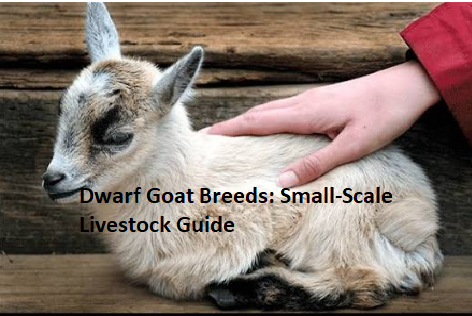
Selecting the right dwarf goat breeds involves understanding the specific physical traits and temperaments that define these compact animals. Whether you are seeking a friendly companion for a small farm or a productive dairy animal, the differences between these breeds are significant and impact your long-term success.
The Nigerian Dwarf and the African Pygmy are the primary dwarf goat breeds available to hobbyists and homesteaders today. While both are small, the Nigerian Dwarf is primarily valued for its high-quality milk production, whereas the Pygmy is often kept for companionship or show purposes.
Nigerian Dwarfs typically stand between 17 and 21 inches at the withers, while Pygmies are slightly stockier and shorter. Determining which animal fits your needs requires looking at their distinct biological profiles, growth rates, and maintenance requirements.
Understanding the Nigerian Dwarf Goat
The Nigerian Dwarf is widely considered the most popular choice for small-scale dairy production. These goats possess a refined, dairy-like frame that mimics their larger counterparts like the Alpine or Saanen.
A mature doe typically weighs between 60 and 80 pounds, making them manageable for most owners. Their milk is known for its high butterfat content, often reaching between 6% and 10%, which is ideal for making cheese and yogurt.
Temperament is a defining feature of this breed. They are known to be gentle, curious, and highly intelligent, which makes them excellent additions to family farms.
Because they are social animals, they should never be kept alone; they require the companionship of at least one other goat to thrive. Owners often find that their affectionate nature makes them easy to train for lead walking or basic handling tasks.
Maintenance for this breed involves consistent hoof trimming and parasite management. Because they are smaller, they require less feed than standard dairy goats, but they still need high-quality forage to maintain their milk production levels.
You should provide them with a secure, dry shelter to protect them from cold, damp conditions, which can lead to respiratory issues. Establishing a relationship with a local veterinarian who specializes in small ruminants is a critical step for new owners.
The African Pygmy Goat Profile
The African Pygmy goat is a distinct breed characterized by its compact, cobby build. Unlike the dairy-focused Nigerian Dwarf, the Pygmy was bred primarily to be a hardy, small-stature animal.
They have a broad chest and short legs, giving them a sturdy appearance that belies their small size. Most adults reach a height of 16 to 23 inches and can weigh anywhere from 50 to 90 pounds.
Pygmies are frequently chosen for their docile and playful demeanor. Many people keep them as pets because they are less demanding in terms of milking schedules compared to dairy breeds.
They are quite hardy and can adapt to various climates, though they still require protection from extreme weather. Their coats are typically short and come in a variety of patterns, such as agouti, black, or caramel.
Managing a small herd of Pygmies requires a different approach than dairy goats. They are prone to obesity if overfed, so monitoring their caloric intake is essential for their health.
You must ensure they have access to clean water and a balanced mineral supplement, especially since they are susceptible to copper deficiencies in certain regions. Engaging in regular health checks will help you catch potential issues early before they become expensive veterinary emergencies.
Comparing Common Small Goat Varieties
When evaluating different dwarf goat breeds, it is helpful to look at how they stack up against one another in terms of production and utility. The following table provides a quick look at the primary differences between the most common small goats.
| Breed | Primary Use | Average Height | Milk Fat Content |
|---|---|---|---|
| Nigerian Dwarf | Dairy/Pets | 17–21 inches | 6% – 10% |
| African Pygmy | Pets/Show | 16–23 inches | Lower/Variable |
| Kinder Goat | Dual-Purpose | 20–28 inches | 5% – 7% |
The Kinder goat mentioned above is technically a cross between a Pygmy and a Nubian. They represent a middle ground for those who want a small, sturdy goat with better milk production than a Pygmy but more meat-producing potential than a standard Nigerian Dwarf. Choosing between these options depends heavily on your goals.
If you want a steady supply of rich milk, the Nigerian Dwarf remains the gold standard. If you want a low-maintenance pet that is fun to watch, the Pygmy is often the superior choice.
Essential Care for Small-Breed Goats
Proper care for any of the dwarf goat breeds starts with a solid foundation in nutrition and housing. Goats are ruminants, meaning they have a complex digestive system that relies on high-quality hay and browse.
You should avoid feeding them lawn clippings or toxic garden plants, as these can cause severe digestive distress. Access to a mineral block or loose mineral mix specifically formulated for goats is non-negotiable.
Housing does not need to be elaborate, but it must be functional and safe. A simple three-sided shed is usually sufficient in mild climates, provided it faces away from prevailing winds.
In colder regions, you will need a fully enclosed structure that keeps the animals dry and prevents drafts. Flooring should be kept clean and dry, as goats are notoriously sensitive to foot rot when living in muddy conditions.
Fencing is another critical component of goat ownership. These animals are famous for their ability to climb and squeeze through small gaps.
Use woven wire fencing that is at least 4 feet tall to ensure they stay contained. You can find extensive resources on cooperative extension services that provide detailed guidelines on goat fencing and pasture management.
Health Management and Disease Prevention
Keeping your herd healthy requires proactive intervention and a keen eye for subtle changes in behavior. Common health issues in small goats include internal parasites, which can be managed through a rotational deworming program and fecal testing.
You should also ensure that your goats are vaccinated against common diseases like enterotoxemia and tetanus. These vaccines are inexpensive and can save you from significant heartache later on.
Hoof care is a frequent task for any goat owner. You will need a pair of sharp hoof trimmers and a sturdy stand to hold the animal still while you work.
Depending on the terrain where your goats live, you may need to trim their hooves every 4 to 8 weeks to prevent overgrowth and lameness. If you are unsure how to perform this, ask a local breeder to demonstrate the proper technique.
Watch for signs of illness such as lethargy, loss of appetite, or a dull coat. Goats are prey animals, so they are experts at hiding their pain until a condition has become advanced.
Taking their temperature regularly and knowing what is “normal” for your specific goats will help you act quickly. Keep a basic medical kit on hand that includes electrolytes, antiseptic spray, and a thermometer.
Understanding Breeding and Reproduction
If you plan to breed your goats, you must understand the basics of kidding and genetic selection. Does usually reach sexual maturity between 4 and 8 months of age, though it is generally recommended to wait until they are at least 12 months old before breeding. This ensures the animal has reached its full physical development and can handle the stress of pregnancy and lactation.
Gestation for a goat lasts approximately 150 days. You should track your doe’s cycle closely so you can prepare for the arrival of the kids.
During the final weeks of pregnancy, increase the quality of the doe’s feed to ensure she has the energy required for labor and subsequent milk production. Having a clean, quiet kidding stall ready is vital for the safety of both the mother and her offspring.
Genetic diversity is important for the long-term health of your herd. Avoid inbreeding by sourcing bucks from reputable breeders who keep detailed pedigree records.
By selecting for traits like healthy udder conformation and friendly temperaments, you can build a high-quality herd over several years. Always prioritize the health of the doe over the desire for a large number of offspring.
Common Questions About Small Goats
What is the smallest goat breed available today?
The African Pygmy and the Nigerian Dwarf are generally considered the smallest, though the Pygmy often has a shorter, stockier build. Both breeds are excellent for small-scale operations where space is limited.
How tall do these small goats typically get?
Most dwarf goat breeds measure between 16 and 23 inches at the withers. Variations exist based on the specific lineage and the quality of nutrition the animal received during its growth phase.
Are dwarf goats easier to handle than full-sized goats?
Yes, their small size makes them much safer to manage, especially for children or elderly owners. However, they are still strong animals and require proper handling techniques to ensure safety for both the human and the goat.
Can I keep just one goat as a pet?
It is highly discouraged to keep a single goat. They are herd animals and will suffer from severe stress and anxiety if kept in isolation, often leading to behavioral problems and health issues.
What is the primary difference between Pygmy and Nigerian Dwarf goats?
The main difference is their intended purpose; Nigerian Dwarfs are primarily bred for their high-quality, high-fat milk, while Pygmies are bred for their compact, sturdy structure and are rarely used for dairy production.
Moving Forward with Your Herd
Selecting the best dwarf goat breeds requires balancing your desire for milk production with the reality of your available time and space. Whether you choose the productive Nigerian Dwarf or the charming African Pygmy, success starts with providing a clean environment, proper nutrition, and consistent health care. Take your time to research local breeders and observe the animals in person before making your final selection.
Owning these animals is a rewarding experience that brings a unique dynamic to any small farm or homestead. By staying informed and attentive to the needs of your herd, you will ensure a long and healthy life for your animals. Start by reaching out to local goat associations to connect with experienced owners who can offer advice specific to your region.
