

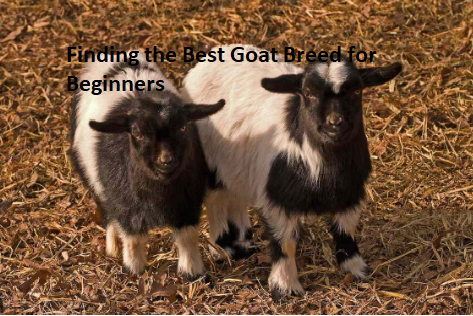
Selecting the best goat breed for beginners often feels overwhelming due to the sheer variety of temperaments and utility types available. New owners usually prioritize manageable size, gentle dispositions, and lower maintenance requirements when starting their small-scale farming journey.
By focusing on breeds like the Nigerian Dwarf or the Oberhasli, you can ensure a positive experience that builds your confidence as a livestock manager. This exploration provides the specific insights needed to make an informed decision for your unique property and goals.
The Nigerian Dwarf: Why It Is Often the Best Choice
For most small-acreage owners, the Nigerian Dwarf stands out as the best goat breed for beginners. These animals are prized for their miniature stature, typically standing under 22 inches at the shoulder for does. Because they are significantly smaller than standard dairy breeds, they are much easier to handle during routine health checks or hoof trimming.
Their temperament is frequently described as curious, playful, and remarkably docile. A Nigerian Dwarf is less likely to challenge fences than larger, more aggressive breeds, provided their nutritional needs are met. Many owners find that their friendly nature makes them excellent companions, especially for families with children or those interested in 4-H projects.
Beyond their personality, they are surprisingly productive for their size. A high-quality doe can produce between 1 to 2 quarts of milk daily, which is often the perfect amount for a single household. This milk has a high butterfat content, making it ideal for crafting artisanal cheeses, soaps, or yogurt.
Because they require less feed and smaller housing footprints than standard goats, they are economically efficient. You can comfortably keep a small herd on a modest suburban lot without the logistical headache of massive infrastructure. Their adaptability to various climates further cements their status as a top contender for those just starting out.
Comparing Popular Breeds for First-Time Keepers
Understanding the primary differences between breeds allows you to match a goat’s biological traits to your specific objectives. While some owners want milk, others prefer brush control or simply the joy of having animal companions. The following table highlights key differences between common breeds often considered by novices.
| Breed | Primary Use | Average Size | Temperament |
|---|---|---|---|
| Nigerian Dwarf | Milk/Companion | Small | Very Gentle |
| Pygmy | Companion/Meat | Small | Active |
| Oberhasli | Dairy | Medium | Calm |
| Boer | Meat | Large | Docile |
Each of these breeds offers distinct advantages that cater to different farm goals. If your priority is high-volume dairy, a breed like the Oberhasli is superior, though it requires more space and feed. Conversely, if you want a pet that keeps the grass short, the Pygmy or Nigerian Dwarf is often the most sensible path.
Key Considerations for New Goat Owners
Before you bring your first animals home, you must prepare your infrastructure and knowledge base. Goats are herd animals and suffer significantly when kept in isolation. You should always plan to purchase at least two individuals, as a single goat will likely become distressed, loud, and prone to escaping.
Fencing is perhaps the most critical investment you will make. Goats are notorious for testing the integrity of wire mesh, boards, and gates.
A standard 4-foot-high woven wire fence is usually sufficient, but you must keep it taut to prevent sagging. If your fence has gaps, a goat will find them, often leading to unwanted visits to your garden or the neighbor’s property.
Shelter requirements are relatively straightforward but non-negotiable. Your goats need a dry, draft-free area to sleep that is protected from rain and wind. You do not need an expensive barn; a sturdy three-sided shed oriented away from the prevailing wind is often enough to keep them healthy.
* Fresh water: Must be available at all times and kept clean.
* Mineral supplements: Loose minerals formulated specifically for goats are essential for health.
* Hay access: High-quality forage should be the bulk of their diet.
* Hoof trimming: Plan to trim hooves every 6 to 8 weeks to prevent lameness.
The Role of Nutrition in Goat Health
Managing the diet of your herd is the most impactful way to prevent common health issues. Many beginners fail to realize that goats are browsers, not grazers like sheep or cattle. They prefer to eat leaves, shrubs, and weeds, which means they can be excellent for clearing brushy areas of your property.
However, relying solely on pasture is rarely enough for high-producing dairy goats. You will need to supplement their diet with quality hay, especially during winter months when forage is unavailable. Always ensure the hay is free of mold, as goats are extremely sensitive to respiratory issues caused by poor-quality feed.
Copper deficiency is a common problem in many regions, leading to dull coats and poor growth. Providing a high-quality, goat-specific mineral block or loose mineral mix is a vital practice for long-term health. You can find more detailed information on nutritional requirements through the eXtension Foundation, which offers science-based resources for small-scale livestock management.
Monitor their body condition score regularly to ensure they aren’t losing weight. If a goat looks thin, check for internal parasites immediately, as these are the primary cause of sudden weight loss in small herds. Establishing a relationship with a local veterinarian who specializes in small ruminants is a proactive step that will save you stress later.
Understanding the Maintenance Commitment
Keeping goats is a daily commitment that requires consistency. You must check on your animals at least twice a day to ensure they are active, eating, and free from injury. This routine allows you to notice subtle changes in behavior that might indicate illness, such as a drop in milk production or a lack of interest in food.
Hoof maintenance is a chore that every owner must master. If left untrimmed, hooves can become overgrown, causing pain and permanent structural issues. Buying a pair of high-quality hoof shears and learning the proper angle for trimming is a skill that pays for itself within the first year.
Grooming is another aspect that varies by breed but is generally good for bonding. Long-haired breeds like the Angora or Pygora require regular brushing to prevent matting, which can harbor pests. Even short-haired breeds benefit from a quick check over, as it helps you identify ticks, lice, or skin conditions early.
Medical care includes routine deworming and vaccinations. Many owners choose to vaccinate against Enterotoxemia and Tetanus, commonly known as the CD&T vaccine. Consult your local extension office to determine which diseases are prevalent in your area so you can create an effective preventative health calendar.
Evaluating the Costs of Ownership
While goats are often seen as “budget” livestock, the upfront and recurring costs can surprise unprepared owners. You must account for the initial purchase price, which varies based on breed pedigree and registration status. A registered Nigerian Dwarf doe might cost between $300 and $600, while a standard wether—a castrated male—can be found for much less.
Housing and fencing materials represent the largest one-time expense. Depending on your DIY skills, you could spend anywhere from $500 to $2,000 to set up a secure, safe environment. Cutting corners on fencing usually results in higher costs later when you have to repair damage or replace escaped livestock.
Daily feed costs depend heavily on your location and access to hay. Expect to spend at least $15 to $30 per month per goat on hay and supplemental grain during the non-growing season. You must also include the cost of annual vet visits, medications, and mineral supplements in your yearly budget.
Record-keeping is essential for tracking your expenses. By keeping a simple spreadsheet of feed, veterinary, and equipment costs, you can determine if your goat venture is sustainable. Many owners find that the value of the milk or the joy of having pets outweighs the financial input, but knowing the numbers helps you plan effectively.
Common Mistakes to Avoid
The most frequent mistake is buying goats impulsively without checking local zoning laws. Some municipalities prohibit livestock, while others have strict density limits on how many animals you can keep per acre. Always verify your local regulations before committing to a purchase to avoid legal trouble or the need to rehome your animals.
Another common error is buying from an unverified source. Always ask for health records and inquire about the herd’s status regarding common diseases like Caseous Lymphadenitis or Caprine Arthritis Encephalitis. Purchasing from a reputable breeder who tests their herd will save you from introducing chronic health problems into your own barn.
Trying to do too much at once is another pitfall. Start with two goats, learn their personalities, and master the basics of husbandry before expanding your herd. Adding too many animals quickly can overwhelm your infrastructure and make it difficult to provide the individual attention that each animal requires.
Finally, underestimate the social complexity of the herd. Goats have a hierarchy, and introducing new members can lead to fighting and stress. Always provide enough space so that lower-ranking goats can retreat from bullies, and ensure there are multiple feeding stations to prevent competition at the trough.
FAQ: Common Questions for New Goat Owners
What is the best goat breed for beginners who want milk?
The Nigerian Dwarf is widely considered the best goat breed for beginners interested in dairy. They produce a manageable amount of high-quality milk, and their smaller size makes them easier to milk and house than full-sized dairy breeds like the Saanen or Alpine.
Do I really need to buy two goats?
Yes, goats are strictly herd animals. Keeping a goat alone leads to extreme stress, which manifests as constant bleating, attempts to escape, and a weakened immune system. Always start with at least two individuals to ensure their social and emotional well-being.
Are male goats, or bucks, good for beginners?
Bucks are generally not recommended for beginners. They can be aggressive, exhibit strong odors, and require specialized, secure housing to prevent them from breeding uncontrollably. Most beginners should stick to does or wethers to ensure a manageable and pleasant experience.
How much land do I need for a couple of goats?
A general rule of thumb is that you can keep 4 to 6 miniature goats on a single acre of land, provided you manage the rotation of grazing areas. If you have a smaller space, you will need to provide more supplemental hay, as the land won’t produce enough forage to sustain them.
What is the most important health task for a beginner?
Learning to identify the signs of parasite infestation is the most important skill. Goats are highly susceptible to internal worms, and understanding how to check for anemia—often by looking at the color of the lower eyelid—can save a goat’s life.
Finding the best goat breed for beginners is a personal journey that depends on your specific goals, available space, and level of commitment. Whether you choose the compact and productive Nigerian Dwarf or opt for a larger, gentle breed, the keys to success remain consistent. You must prioritize proper fencing, adequate shelter, and a regular schedule for health checks and parasite management.
By starting small and focusing on the well-being of your animals, you will find that goat keeping is a rewarding and manageable endeavor. Take the time to research breeders in your area, visit local farms to observe different temperaments, and prepare your property before bringing your new companions home. Your dedication to their care will ensure a successful and enjoyable experience for years to come.
