

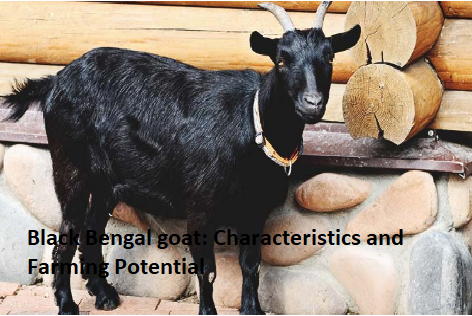
The Black Bengal goat is widely regarded as one of the most efficient small ruminant breeds for meat production in tropical climates. Originating from the Bengal region of South Asia, this breed is prized for its high-quality leather and rapid reproductive cycle. Farmers frequently choose this animal because of its ability to thrive on minimal inputs while maintaining high fertility rates under challenging environmental conditions.
Understanding the specific biology and management requirements of these animals is essential for anyone interested in small-scale livestock farming. This article provides a deep look into why this breed remains a staple of rural agricultural systems across its native range.
Average Weight and Physical Characteristics
A mature Black Bengal goat typically reaches a weight of 15 to 25 kilograms for females and 20 to 30 kilograms for males. These animals are physically distinct, characterized by their compact bodies, short legs, and fine, short hair that is almost always solid black.
Their small stature belies a high feed-to-meat conversion ratio, making them particularly economical for small-holder farmers. Breeders often select for these specific physical traits to ensure the animals remain hardy and manageable within limited grazing spaces.
The skeletal structure of the breed is relatively light, which contributes to a high dressing percentage. When slaughtered, these goats can yield a carcass that accounts for 45% to 55% of their total live body weight.
This efficiency is a primary reason why they are preferred over larger, slower-growing breeds in regions where land for grazing is scarce. Their ability to forage on diverse vegetation, including shrubs and herbs that other livestock might ignore, further supports their reputation as low-maintenance assets.
Origin and Breed Distribution
The ancestral roots of the Black Bengal goat are firmly planted in the humid, tropical regions of Bangladesh and the neighboring Indian states of West Bengal, Bihar, and Odisha. Historically, these animals have been kept by rural households as a form of living savings, providing both immediate protein and liquid capital.
They have adapted over centuries to the high rainfall and intense heat of the Gangetic delta, developing a natural resistance to many common tropical parasites and diseases. This environmental adaptation is not easily replicated in other breeds, which is why the gene pool remains highly localized despite international interest.
While they are most common in their native geography, their genetic material has been studied globally for its unique traits. Researchers often highlight the breed’s ability to maintain high reproductive performance even when nutritional intake is suboptimal.
This resilience is a result of long-term selective pressure by farmers who prioritized survival and growth in resource-poor settings. As a result, the breed has become a symbol of sustainable agriculture in South Asia, representing a balance between high output and minimal environmental impact.
Reproductive Performance and Breeding
The reproductive capabilities of the Black Bengal goat set it apart from most other meat-producing breeds. Females are known for their early sexual maturity, often reaching puberty at just 6 to 8 months of age.
They are polyestrous, meaning they can breed throughout the year, and they frequently produce twins or triplets. This high fecundity allows a small herd to grow very quickly, providing farmers with a reliable source of income through the sale of kids.
Successful breeding programs focus on maintaining these traits through careful selection of sires. Farmers typically aim to keep a ratio of one male for every 20 to 30 females to ensure optimal conception rates.
Because these goats are prolific, the management of lactation and kid mortality is critical to maximizing output. Providing supplementary feed during the final weeks of pregnancy significantly improves the birth weight of the kids and increases the likelihood of survival in the first few critical weeks.
Economic Value and Meat Quality
The market value of the Black Bengal goat is driven largely by the exceptional quality of its meat and skin. The meat is lean, tender, and highly sought after for traditional culinary preparations, often commanding a premium price in local markets.
Unlike the meat of larger, older goats, the flesh of this breed has a mild flavor profile that is preferred by many consumers. This consistent demand ensures that farmers always have a liquid market for their livestock.
Beyond meat, the skin of these goats is classified as “Grade A” in the global leather industry. It is highly prized for its fine texture, strength, and ability to take dyes, making it a valuable byproduct that adds to the total profitability of the farm.
In many cases, the sale of the hide can cover a significant portion of the animal’s annual maintenance costs. This dual-stream income—meat and leather—makes them a more robust financial investment than many other small livestock varieties.
Comparative Data on Production Traits
To understand the productivity of this breed, it is helpful to look at how it compares to other common goat varieties in tropical systems. The following table highlights key performance metrics that define the breed’s utility in a farming environment.
| Metric | Black Bengal Goat | General Tropical Breed |
|---|---|---|
| Age at First Kidding | 9–12 months | 14–18 months |
| Kidding Interval | 7–8 months | 10–12 months |
| Litter Size | 1.5–2.5 kids | 1.0–1.2 kids |
| Dressing Percentage | 48%–52% | 40%–45% |
These figures illustrate why the Black Bengal goat is favored for intensive meat production. The shorter kidding interval and larger litter sizes allow for a much faster turnover of the herd.
When combined with a high dressing percentage, the total meat output per hectare is significantly higher than that of larger, less prolific breeds. For further technical details on livestock productivity, you can consult the Food and Agriculture Organization’s animal production resources.
Feeding and Nutritional Management
Proper nutrition is the cornerstone of any successful goat farming operation. Even though these animals are excellent foragers, they require a balanced diet to reach their full growth potential and maintain high fertility.
A typical daily ration includes a mix of green fodder, dry straw, and concentrated feed to ensure they receive adequate protein and energy. During the monsoon season, when pastures are lush, farmers must be careful to avoid overgrazing and the associated risk of internal parasite infestation.
Supplementary feeding is particularly important for pregnant and lactating does. Providing a mineral block is also recommended to ensure the goats receive essential trace elements that might be missing from local forage.
Clean, fresh water should be available at all times, as dehydration is a common cause of reduced milk production and slower growth rates. By managing the diet closely, farmers can ensure that their goats remain healthy and productive year-round.
Health Care and Disease Prevention
The Black Bengal goat is naturally hardy, but it is not immune to common livestock diseases. Routine vaccination is the most effective way to prevent outbreaks of Peste des Petits Ruminants (PPR) and other viral infections.
Farmers should establish a regular deworming schedule, as internal parasites are the leading cause of weight loss and poor performance in tropical goat herds. Keeping the shelter dry and well-ventilated is equally important, as damp conditions encourage the growth of bacteria and fungi.
Good hygiene practices, such as cleaning feeding troughs and disinfecting housing areas, go a long way in reducing the incidence of illness. If a goat shows signs of lethargy, loss of appetite, or abnormal discharge, immediate isolation is necessary to protect the rest of the herd.
Early intervention by a local veterinarian can prevent minor issues from becoming costly losses. A proactive health management plan is the best way to safeguard the investment in a goat herd.
Advantages and Challenges
Farming this specific breed comes with a unique set of benefits and obstacles that every producer should consider. Success depends on balancing the high reproductive rate with the need for consistent inputs and market access.
- High fertility rates lead to rapid herd expansion.
- Excellent meat quality fetches premium market prices.
- Superior leather quality provides a secondary revenue stream.
- Strong disease resistance reduces the need for expensive medication.
- Small size makes them suitable for households with limited land.
- High risk of theft due to the high market value of the animals.
- Requires consistent management to prevent overpopulation and inbreeding.
The primary challenge for many farmers is the lack of organized marketing channels, which can sometimes lead to price volatility. However, as the demand for high-quality, lean meat continues to grow, these challenges are increasingly being addressed by local cooperatives and government support programs. By focusing on quality rather than just quantity, farmers can build a sustainable and profitable business model.
Frequently Asked Questions
What is the primary speciality of the Black Bengal goat?
The primary speciality of this breed is its high reproductive efficiency and the exceptional quality of its meat and skin. It is widely considered one of the best meat breeds for tropical climates due to its rapid growth and fertility.
What is the origin of the Black Bengal goat?
This breed originated in the Bengal region, which encompasses Bangladesh and parts of eastern India. It has been selectively bred over centuries by local farmers to thrive in the hot, humid conditions of the Gangetic delta.
How rare is a black goat?
While black goats exist globally in various breeds, the Black Bengal goat is genetically distinct because its black coat is a defining breed characteristic. It is not considered “rare” in its native region, where it is the most dominant and popular breed.
What is the average weight of a Black Bengal goat?
A fully mature female typically weighs between 15 and 25 kilograms, while a mature male usually ranges from 20 to 30 kilograms. Their small size is a deliberate trait that allows for high efficiency in confined farming systems.
How fast do these goats grow?
Under good nutritional management, these animals can reach marketable weight within 9 to 12 months. Their rapid growth rate is one of the main factors that makes them a profitable choice for meat production.
Conclusion
The Black Bengal goat stands as a testament to the success of regional livestock development. Through its unique combination of high fertility, lean meat production, and valuable hide quality, it provides a stable economic foundation for countless small-holder farmers. While the breed requires diligent health management and consistent nutritional support, the returns on these investments are often significant.
By focusing on best practices in breeding and herd maintenance, producers can maximize the potential of these resilient animals. Whether you are looking to start a small enterprise or improve existing livestock operations, this breed offers a proven path to productivity. Engaging with local agricultural extension services is the best way to get started with your own herd.
