

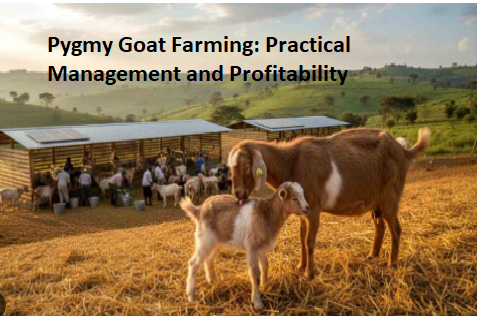
Starting a journey into pygmy goat farming requires a clear understanding of the breed’s specific needs, temperament, and maintenance requirements. While these animals are often kept as pets, they possess unique biological traits that differentiate them from larger dairy or meat goat breeds. Prospective owners often ask about the profitability and land requirements of these animals, which are the primary focus of this article.
By learning about their nutritional demands, housing needs, and health protocols, you can set up a sustainable operation that remains healthy and productive. This information will help you evaluate if these small ruminants are the right addition to your property.
The Reality of Profitability and Land Requirements
Many people enter pygmy goat farming expecting a quick return on investment, but the reality is more nuanced. You should expect an initial investment in fencing, shelter, and high-quality foundation stock, which can range from $200 to $600 per goat depending on pedigree.
Profitability rarely comes from meat production due to their small stature and low carcass yield. Instead, experienced breeders often find success in selling registered breeding stock, herd companions, or through agritourism and petting zoo partnerships.
Regarding space, these goats are remarkably efficient, though they remain high-energy animals. A general rule of thumb is that one acre of land can comfortably support 6 to 8 pygmy goats if managed with a rotational grazing system.
Providing them with a smaller area often leads to overgrazing, which increases the risk of internal parasites and soil degradation. You must account for the fact that these animals are social and should never be kept alone, meaning your land capacity must accommodate at least a pair.
Essential Nutrition and Feeding Schedules
Pygmy goats are browsers by nature, preferring to eat shrubs, weeds, and tree leaves over standard pasture grass. Their digestive systems are sensitive to sudden dietary changes, which can lead to life-threatening conditions like bloat or enterotoxemia.
A base diet of high-quality grass hay is necessary, especially during winter months when natural forage is unavailable. You should avoid feeding them excessive grain, as this leads to obesity and urinary calculi, particularly in neutered males.
Mineral supplementation is a non-negotiable aspect of long-term health in pygmy goat farming. Because the soil in many regions is deficient in essential elements, you must provide a loose mineral mix specifically formulated for goats.
Do not use sheep minerals, as they often lack the copper that goats require for proper coat health and immune function. Clean, fresh water must be accessible at all times, as these animals will refuse to drink stagnant or dirty water, which leads to rapid dehydration.
Housing and Shelter Specifications
Despite their small size, pygmy goats require robust shelter that protects them from wind, rain, and extreme temperature fluctuations. A simple three-sided shed is often insufficient in colder climates, where a fully enclosed structure with proper ventilation is needed.
You must ensure the flooring remains dry, as wet bedding is a primary cause of hoof rot and respiratory issues. Using straw or wood shavings as bedding helps absorb moisture and provides necessary insulation during cold nights.
Fencing is perhaps the most significant infrastructure challenge when managing these animals. Pygmy goats are notorious escape artists that can squeeze through small gaps or jump over standard low-height barriers.
Experts at the eXtension Foundation recommend using woven wire fencing at least 48 inches high to keep them secure. You should also check for any loose boards or sharp protrusions along the perimeter that could cause injury if a goat decides to test the strength of your enclosure.
Health Protocols and Veterinary Care
A proactive approach to health is vital because once a pygmy goat shows signs of illness, the condition is often already advanced. You should establish a relationship with a large animal veterinarian who is familiar with small ruminant medicine.
Common health issues include internal parasites, such as barber pole worms, which can devastate a herd if not monitored through regular fecal testing. Implementing a strategic deworming schedule rather than a blanket approach helps prevent the development of resistant parasite strains.
Vaccination is another cornerstone of a healthy herd, particularly for Clostridium perfringens and tetanus. Most breeders follow a standard schedule, often referred to as the CD&T vaccine, administered to kids at specific age milestones.
You must also keep a medical kit on hand that includes supplies for wound care, electrolyte solutions, and hoof trimmers. Regular hoof trimming, usually performed every 6 to 8 weeks, prevents lameness and ensures the animals remain mobile and comfortable.
Understanding Growth Milestones
Pygmy goats are considered distinct from other breeds because of their compact structure and specific growth patterns. A typical doe reaches sexual maturity as early as 3 to 4 months of age, although breeding this early is generally discouraged by responsible farmers.
They reach their full skeletal size around 18 to 24 months of age. Understanding these timelines is crucial for managing your breeding program and ensuring that young animals have the nutritional support needed for proper development.
Weight is a key indicator of health and development in this breed. A mature adult usually weighs between 50 and 85 pounds, with bucks generally being heavier and more muscular than does.
You should weigh your goats regularly using a livestock scale or a weight tape to monitor their progress. Sudden weight loss or gain is often the first warning sign of nutritional imbalances or underlying health problems that require immediate attention.
Comparing Pygmy Goats to Other Breeds
When deciding on a breed, it helps to compare the pygmy goat against similar options like the Nigerian Dwarf. While both are small, they serve different primary purposes and have distinct physical characteristics that impact their management. The following table provides a quick reference for common differences that influence the choice for a small-scale farmer.
| Feature | Pygmy Goat | Nigerian Dwarf |
|---|---|---|
| Primary Use | Pets/Show | Dairy/Pets |
| Milk Production | Negligible | High (relative to size) |
| Body Type | Stocky/Cobby | Dairy/Refined |
| Temperament | Docile/Playful | Active/Friendly |
The choice between these breeds often comes down to your ultimate goal. If you are interested in milk production, the Nigerian Dwarf is the superior choice, as their udders are designed for consistent output.
If you want a hardy, low-maintenance companion animal for a small acreage, the pygmy goat is a more practical option. Their stocky build also makes them less prone to some of the structural issues seen in more delicate dairy-focused breeds.
Daily Maintenance Responsibilities
Managing a herd requires a consistent routine that ensures every animal receives individual attention. You should check the entire herd at least twice a day, looking for signs of lethargy, isolation, or abnormal behavior.
Grooming is not just for show; it is an excellent time to check for external parasites like lice or mites. A clean, well-brushed goat is generally a happier and more productive animal, as it reduces skin irritation and improves overall comfort.
Your daily chores will generally follow a predictable pattern once the infrastructure is established. Here is a list of tasks that constitute the core of responsible animal management:
-
- Checking for fresh water and cleaning troughs to prevent algae growth.
-
- Distributing hay and monitoring consumption to ensure no waste.
-
- Inspecting fencing for damage caused by weather or animal activity.
-
- Observing animal movement and gait for any signs of lameness.
-
- Updating herd health logs with any medications or treatments administered.
Consistency in these tasks prevents small problems from escalating into expensive veterinary emergencies.
When you perform these duties daily, you become familiar with the baseline behavior of your herd. This familiarity allows you to spot subtle changes, such as a goat that is slightly less enthusiastic about food or one that is holding its tail differently, which can be early indicators of distress.
FAQ Section
How much space does a single pygmy goat need?
While goats are small, they need room to exercise and browse. A good baseline is 200 square feet of roaming space per goat, assuming you also have a quality shelter and provide daily exercise opportunities.
Is it difficult to keep pygmy goats healthy?
They are generally hardy animals, but they are highly susceptible to internal parasites. Keeping them healthy requires a strict parasite management plan, clean housing, and a balanced diet that avoids excessive grains.
Can I keep just one pygmy goat?
No, you should never keep a goat alone. They are herd animals that experience extreme stress and anxiety without the companionship of their own kind, which often leads to behavioral issues and illness.
At what age are pygmy goats fully grown?
Most goats of this breed reach their full adult size and skeletal maturity between 18 and 24 months. You should continue to provide high-quality nutrition throughout this entire growth period to ensure proper bone and muscle development.
Are these goats profitable for meat?
They are typically not considered a viable commercial meat breed due to their small size and low muscle-to-bone ratio. Most people who raise them focus on breeding for companionship, show, or hobby farm purposes.
Conclusion
Engaging in pygmy goat farming offers a rewarding experience for those who enjoy working with intelligent, social animals. By prioritizing proper fencing, a parasite-conscious health program, and high-quality nutrition, you can maintain a thriving herd on a relatively small amount of land. Success in this field relies on consistency and a willingness to learn the specific biological requirements of the breed.
Start by securing healthy foundation stock from a reputable breeder and ensuring your infrastructure is ready before the goats arrive. As you gain experience, you will find that the bond you form with your animals makes the daily labor of herd management deeply satisfying. Reach out to local goat clubs or agricultural extension offices to connect with experienced mentors who can provide region-specific advice for your operation.
